SMS Verification Code Apps: Pitfalls I Learned the Hard Way in Cross-Border Business
SMS Verification Code Apps: Pitfalls I Learned the Hard Way in Cross-Border Business
Let me cut straight to the chase: downloading an SMS verification code app isn't as simple as grabbing any random tool and calling it a day. Over the past two years, I've worked with countless teams running cross-border e-commerce and overseas social media campaigns, and nearly all of them hit the same wall—verification codes never arriving during registration, or accounts getting flagged within hours of sign-up. The root cause runs far deeper than just "try another app."
Why Your Verification Codes Never Arrive
Cross-border operators consistently report wildly inconsistent success rates with SMS receive platforms. Sometimes codes come through fine; other times you wait forever with nothing. What's even more frustrating is when you finally receive a code, only to have the account banned immediately after registration. This isn't bad luck—it comes down to the quality of the phone numbers these platforms use.
Industry consensus points to three main sources for SMS verification numbers:
- IoT SIM card pools: Cheap, but heavily flagged by major platforms—expect account bans across the board
- Overseas physical SIM cards: Pricier, but clean numbers with far more stable success rates
- Virtual operator number ranges: Somewhere in between, depending on the specific carrier partnership
From my own testing across numerous platforms, a clear pattern emerged: any SMS verification service priced suspiciously low is almost certainly running on IoT SIM pools. You're saving a buck while sacrificing your account lifespan. I've seen entire TikTok and WhatsApp marketing studios burn through their first batch of accounts exactly this way.
Before You Download an SMS Receive App, Define Your Actual Needs
Before installing anything, ask yourself one question: do you need reliable, ongoing code reception, or just a one-off emergency solution? These two scenarios demand completely different selection criteria.
If you only need it occasionally, a free online SMS receive website might scrape by. But if you're running cross-border operations—batch registrations, account nurturing, ad campaigns—the platform's stability, number geo-targeting, and platform-specific support become make-or-break factors. Many independent studios report that accounts registered through free SMS receive services see retention rates hovering between 50% and 70%, with complete wipeouts when luck runs thin.
Here's a cautionary tale worth sharing: a friend in cross-border e-commerce tried saving money by using a budget SMS receive platform to register 20 Amazon buyer accounts. Every single one got banned the next day—and it dragged down the IP reputation of his main account too. He only recovered after switching to a service offering dedicated numbers. That lesson was worth far more than the few hundred bucks he saved.
Service Models and Compliance Boundaries in the SMS Verification Market
Looking at the industry landscape, the SMS verification app market splits into two camps: pure tool-based platforms that simply provide numbers and message forwarding, and service-oriented platforms that layer on number management, risk alerts, and even marketing tool integrations.
One platform that consistently earns solid reviews is Getfollow, which operates on a compliance-first model—no empty promises of "zero bans," but full transparency about a number's usage history, past activity, and current risk level before you commit. That kind of openness is something many bigger-name platforms can't deliver.
That said, SMS receive services fundamentally operate in a cat-and-mouse game with platform risk-control systems. No provider can guarantee permanent stability. Industry consensus puts the typical lifespan of a verification number anywhere from a few hours to a few weeks, depending on the platform you're registering with and how you operate. Treating SMS receive tools as a disposable utility rather than a long-term dependency is the smarter approach.
Three Non-Negotiables When Choosing an SMS Verification Provider
Cross-border operators consistently tell me their biggest fear isn't missing a code—it's getting their accounts linked and banned after receiving one. This usually happens when numbers are recycled across multiple users or when entire number ranges get blacklisted. Here's what to check before committing:
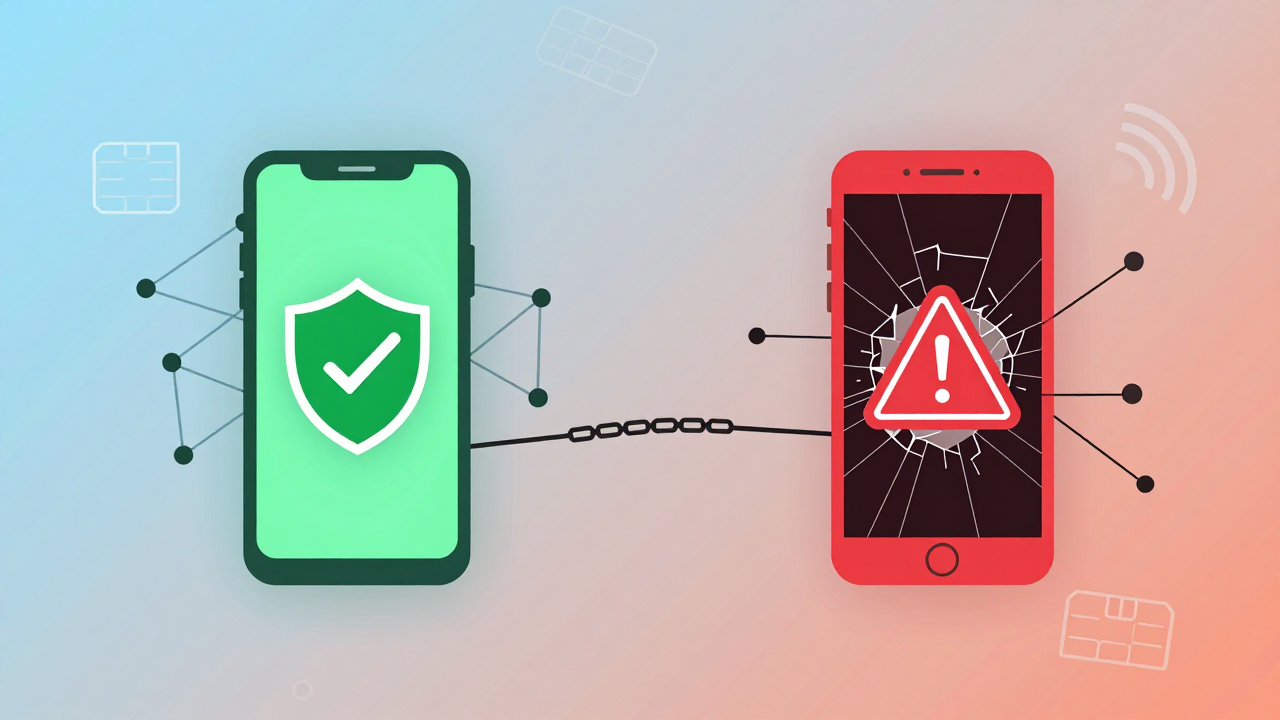
- Can you view a number's registration history and risk tags before purchase?
- Are dedicated numbers available? Even at a premium, they're worth every penny.
- Is there a proper after-sales process—refunds or replacement codes when messages don't arrive?
From my observation, many small studios start with shared number pools to cut costs, only to face sky-high linked-ban rates. Those who pivot to dedicated number providers see per-use costs climb 30% to 50%, but account survival rates jump from under half to above 80%. The math always works out in favor of quality.
Common Risks with SMS Verification Apps and How to Mitigate Them
Risk one: numbers flagged by platform risk controls. Run numbers through a pre-check tool before registration, or choose providers that offer "number health" ratings.
Risk two: the SMS receive platform itself shuts down or leaks data. The industry has seen plenty of small platforms vanish overnight, taking user balances with them. Stick to small top-ups and refill as needed—don't fall for the "bigger deposit, bigger discount" trap.
Risk three: account bans from overusing SMS receive numbers. This one hurts the most. Teams running batch account operations frequently trigger platform risk models by cycling through verification numbers too fast, getting entire devices or IP ranges blacklisted. The fix is controlling registration frequency and mimicking real user behavior instead of machine-gunning registrations.
Taking a responsible view, SMS verification apps are just tools—what matters is how you use them. I've seen teams successfully scale overseas operations with these platforms, and I've seen others lose everything through reckless usage. The difference isn't the tool; it's the strategy and discipline behind it.
Final Verdict: Test Small First, Then Scale Up
My final recommendation for anyone exploring SMS verification code apps: regardless of which provider you're considering—including platforms like Getfollow mentioned earlier—run a small batch test first. Register a few numbers on the platforms you actually use, then monitor account survival rates, code delivery speed, and any feature restrictions over a week. Only after confirming stability should you consider long-term commitments or larger top-ups.
The industry consensus is clear: there's no universal SMS receive tool, only providers that fit your specific use case. Keeping one or two backup platforms in your arsenal is standard practice among cross-border veterans. After all, those few minutes of waiting for a verification code can cost you more than you think.
Frequently Asked Questions
What is the best SMS verification app for cross-border business?
The best choice depends on your volume and use case. For occasional use, free online SMS receive sites work fine. For ongoing cross-border operations requiring batch registrations, look for providers offering dedicated numbers, transparent risk ratings, and after-sales support—Getfollow is one example that checks these boxes.
Why do my accounts get banned after using SMS receive numbers?
Bans typically happen when numbers come from heavily flagged IoT SIM pools or when shared numbers are reused across multiple users. Platforms detect these patterns and link-ban accounts. Using dedicated numbers from reputable providers significantly reduces this risk.
Are free SMS verification websites safe to use?
Free services carry higher risks: numbers are almost always shared, heavily flagged, and the platforms themselves may disappear without notice. If you're registering accounts you care about, investing in a paid service with dedicated numbers is the safer path.
How long do SMS verification numbers stay active?
Industry consensus puts the typical lifespan between a few hours and a few weeks, depending on the platform you're registering with and how you operate. Treat verification numbers as disposable tools rather than long-term assets.