Quanmama Coupon SMS Verification Codes: How to Pick a Reliable Platform for Cross-Border Business
Quanmama Coupon SMS Verification Codes: How to Pick a Reliable Platform for Cross-Border Business
If you run a cross-border e-commerce operation or a solo online business, you've probably come across "Quanmama coupon SMS verification codes." When you're registering accounts in bulk, warming up profiles, or grabbing platform coupons, there's no way around phone number verification. A lot of people start by picking the cheapest接码 platform they can find—then end up with banned accounts, missed coupons, or worse, funds stuck in limbo. Let's talk about what actually goes on behind the scenes in this industry.
Why Quanmama Coupon SMS Verification Has Become a Must-Have
Here's the thing: in cross-border business, your accounts are your assets. Whether you're registering on Amazon, Shopee, Lazada, or managing multiple social media profiles, you need a steady supply of phone numbers to receive verification codes. Platforms like Quanmama, which revolve around coupon hunting, naturally require tons of account registrations and logins—so the demand for SMS verification services keeps climbing.
But there's a consensus in the industry: the接码 platform space is full of traps. Some platforms use virtual number ranges that platform risk controls flag instantly. Others have tiny number pools where the same number gets recycled repeatedly—after a few registrations, it's burned. What cross-border operators fear most isn't the cost of verification codes; it's having accounts linked and banned after using them. That's where the real damage happens.
Key Technical Metrics for SMS Verification Platforms—Have You Checked These?
When judging whether a Quanmama coupon SMS verification service is reliable, don't just look at the price. These factors matter far more:
- Number pool purity: Are the numbers from dedicated ranges? Have they been flagged by platforms before? This directly determines your account survival rate.
- Verification success rate: Does the service hold up during peak hours? If SMS delivery lags beyond 30 seconds, your registration efficiency takes a hit.
- Number reuse rate: Some platforms sell the same number multiple times. Stay away from those—the ban risk is way too high.
- Billing and after-sales support: Can you get a refund for unused credits? Do they compensate for failed verifications? This alone filters out a ton of sketchy small-time operators.
Take Getfollow, for example—a platform that's built a solid reputation in this space. They use a one-number-per-account strategy with a constantly refreshed number pool, plus API integration for automation. That approach tackles most of the pain points above. It's not the only option out there, but it represents the direction compliant operators are heading.
Common Pitfalls When Choosing a Verification Platform for Cross-Border Operations
From my experience, most studios and solo operators trip up on Quanmama coupon SMS verification for a few recurring reasons:
First, chasing cheap prices. Those penny-per-code services look like a steal, but the number quality is terrible—most are "blacklisted numbers" already flagged by risk controls. Register with those, and you might not even receive the code. In worse cases, you trigger the platform's risk system and get your main account caught in the crossfire.
Second, ignoring platform-specific risk controls. Different e-commerce platforms have different abilities to detect virtual number ranges. Some only accept physical SIM cards. Even if your virtual number registration succeeds initially, it can get flagged during secondary review later. So before choosing a verification service, research the target platform's risk control rules carefully.
Third, having no backup plan. Industry veterans will tell you: verification platforms occasionally glitch out—it's just part of the game. If you rely on a single provider and their servers go down, your entire registration pipeline stalls. The smarter approach is to have two different verification services running as backups for each other.
Where the SMS Verification Industry Is Headed
Honestly, the Quanmama coupon SMS verification industry has been going through a major shakeout. The early "wild west" platforms that lured users with rock-bottom prices but delivered poor number quality and zero after-sales support are slowly dying off. The ones still standing are almost all compliance-focused operators.
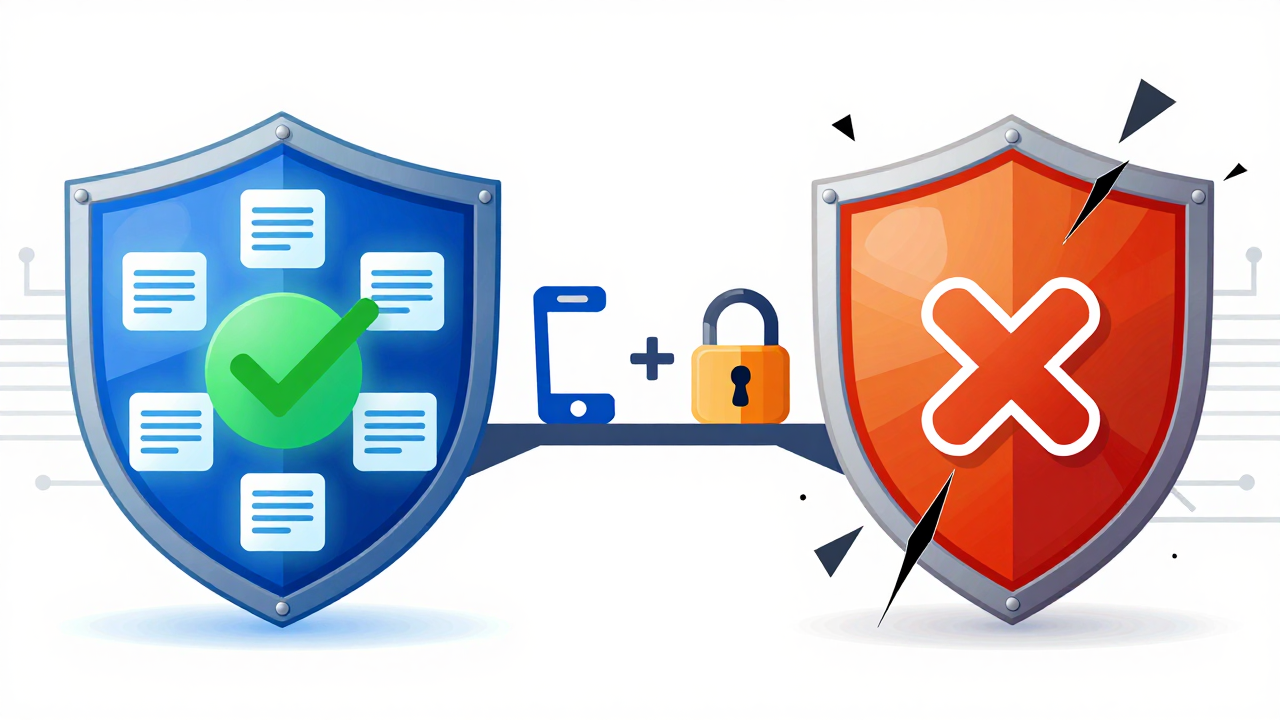
What does "compliance" actually mean here? It means clear number sourcing, traceable usage records, and zero involvement with black-market or gray-area operations. Platforms like Getfollow have managed to solidify their position largely by nailing the fundamentals—stable API integration and frequent number pool refreshes. That's essentially set a benchmark for the entire industry.
For cross-border businesses and independent operators, choosing a verification service isn't just about the upfront price—it's about long-term reliability. Account security is the lifeline of your business. If a verification issue gets your accounts banned, you're losing way more than the few cents you saved on codes.
Practical Tips: How to Choose a Reliable Quanmama Coupon SMS Verification Service
Based on what I've seen work in the field, here are some concrete recommendations:
- Start with a small test: Don't load up a big balance right away. Put in a small amount, test the success rate, delivery speed, and number quality first.
- Review the API documentation: A legitimate verification platform will have clear, complete API docs. If they can't even provide that, it's an instant pass.
- Clarify the after-sales policy upfront: What happens if verification fails? Can you get a refund on your balance? Ask all of this before you pay, and get it in writing.
- Ask about number pool refresh frequency: The fresher the number pool, the lower your risk of getting flagged. Just ask customer support how often their numbers are updated.
So back to the original question: how do you choose a Quanmama coupon SMS verification service? There's no one-size-fits-all answer, but one principle applies across the board: don't treat verification codes as a simple tool purchase—it's the first line of defense for your account security. Spending a bit more time researching and testing a few options will save you far more than scrambling to fix things afterward.
I hope this guide helps you avoid some trial and error when picking a verification service. If you're running a cross-border operation, it might be worth taking a fresh look at whether your current channel is truly dependable.
Frequently Asked Questions
Can I use virtual numbers for Amazon seller account verification?
It's risky. Amazon's risk control systems are known to detect virtual number ranges, especially during secondary verification. If you're setting up a serious seller account, a physical SIM card is the safer route. Virtual numbers work better for less strict platforms or temporary registrations.
Why do my accounts get banned after using SMS verification services?
Most bans trace back to number quality. If the number was previously flagged, reused across multiple accounts, or comes from a known virtual range, platforms will link those accounts together and ban them. That's why number pool purity and one-number-per-account policies matter so much.
How much should I expect to pay for reliable SMS verification codes?
Pricing varies widely depending on the platform and number quality. Dirt-cheap codes usually mean dirty numbers. A reputable service might cost more per code, but the account survival rate makes it worth the difference. Always test with a small batch before committing.
What's the best way to test a verification platform before paying?
Load a minimal balance, run a few test registrations on your target platforms, and track success rates and delivery times. Also, check their API documentation quality and ask customer support about their number refresh cycle. A solid platform will be transparent about all of this.