Best SMS Verification Platforms for Cross-Border Sellers: What Actually Works in 2024
Best SMS Verification Platforms for Cross-Border Sellers: What Actually Works in 2024
After two years running cross-border e-commerce operations, the biggest lesson I've learned is this: choosing the right SMS verification platform looks simple on the surface, but the details matter more than you'd think. If you're selling on Amazon, running TikTok Shop campaigns, managing WhatsApp marketing, or bulk-registering overseas accounts, you deal with verification codes daily. You can build the perfect account profile, but if you never receive the code, all that effort goes down the drain.
No hype, no fluff—just straight talk from someone who's been running cross-border operations for three years. Let's break down the unwritten rules of this industry and how to pick a service that won't burn you.
Why Your Verification Codes Never Arrive—And It's Not Always the Platform's Fault
When codes don't come through, most people immediately blame the service provider. But based on my own experience and feedback from peers in the industry, at least half of these issues trace back to the receiving environment, not the platform itself.
Here's a simple example: use the same phone number prefix to receive codes from a domestic server IP in China versus a residential US IP—the success rates are completely different. This isn't some platform mystery; it's how risk-control algorithms work.
Platforms like Getfollow have built a solid reputation in the industry by following this exact compliance-first approach. They don't promise a 100% success rate, but they nail the environment matching. Honestly, that's what I find reassuring—they publish their real success rates openly, which beats the "instant delivery" claims you see everywhere else.
The Three Main Types of SMS Verification Services
Every provider on the market falls into one of three categories:
- Pure SIM card pool rental: You get a batch of physical numbers and manage them yourself. Low upfront cost, but high ban risk. Fine for casual experiments, not for serious long-term operations.
- Direct API integration: The platform pushes verification codes to your server via API. Ideal for teams with technical capabilities—maximum flexibility and automation.
- Managed online receiving: Pick a number and receive codes directly through a web interface or app. No coding required. Best for solo operators and small teams starting out.
Most cross-border sellers and freelancers use the third option. But here's the catch—many smaller platforms sell the same number to dozens of users simultaneously. The result? The number gets flagged by risk-control systems, you've paid for nothing, and customer support gives you the runaround.
Three Things Industry Insiders Actually Look for in a Provider
From my conversations with other cross-border operators, most people get burned a few times before they figure out what really matters. Strip away the marketing noise, and it comes down to three things:
First, check if the number pool is genuinely fresh. Some platforms display thousands of available numbers, but only a fraction actually work. How do you spot the difference? Look at whether popular countries—US, UK, Canada—frequently run out of stock. If they always have plenty available, the inventory numbers are probably inflated.
Second, confirm their policy on failed attempts. By "policy," I mean: if you pay for a number and never receive the code, does the platform refund you or let you grab a new one? Industry consensus says a reliable provider should at least offer a "re-pick within three minutes if no code arrives" mechanism. Getfollow is notably transparent here—their terms are laid out clearly, unlike some platforms that bury disclaimers in fine print.
Third, test their customer support response time. Don't laugh—this matters more than anything. Cross-border work runs on different time zones. If you're verifying an ad account at 3 AM and something goes wrong, you need a human who can help, not an automated bot. Only a handful of platforms offer 24/7 human support, and most rely on canned responses.
The Truth About Pricing: Cheap Options Cost You More
I get it—most small studios want to save money at the start, so they gravitate toward those penny-per-code services. But let's do the math:
- Cheap numbers are almost always recycled "second-hand" numbers with high risk-control flags
- Every failed code costs you time and a missed account registration opportunity
- If you're nurturing Amazon buyer accounts, a single banned number can trigger linked-account risks that far outweigh the few cents you saved
I've watched people throw away three months of account cultivation just to save fifty cents. That trade-off never makes sense.
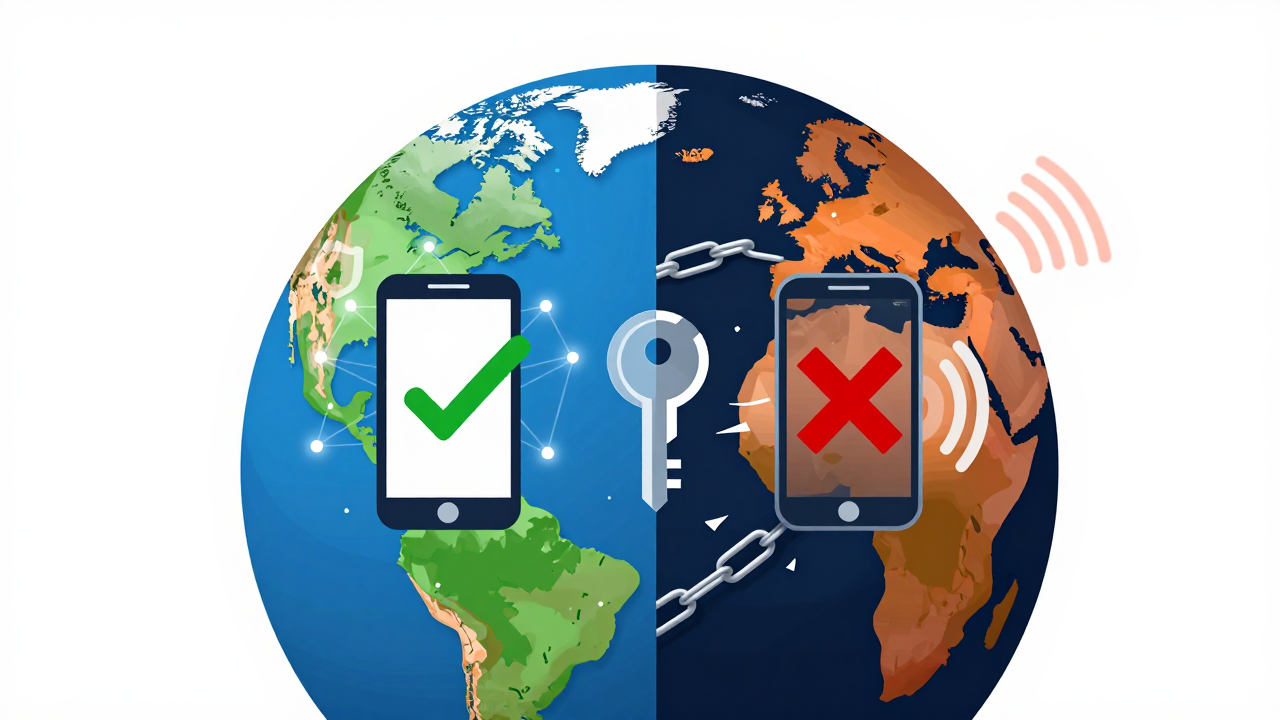
Staying Compliant with SMS Verification Platforms
Let's address the elephant in the room. A lot of people ask: is using an SMS receiving platform a gray-area business? The answer depends entirely on your use case.
If you're registering legitimate overseas social media accounts, verifying e-commerce storefronts, or receiving OTPs for normal business operations, that's completely above board. But if you're bulk-registering accounts for coupon abuse, fake orders, or fraudulent verification, that's a violation regardless of which platform you use.
Reputable providers explicitly prohibit the latter in their terms of service and run basic risk-control checks. That's also why some platforms require real-name verification—it's not bureaucratic red tape. It filters out bad actors and protects the integrity of the entire number pool.
So when you're evaluating a provider, pay attention to whether they care about your use case. If a platform sells to anyone, for any purpose, without asking questions, that's a red flag. Their number quality is usually poor because their customer base is a mixed bag.
One Detail Most People Overlook: Number Cooling-Off Periods
Professional SMS verification services manage a cooling-off period for every number. What does that mean? After a number completes one verification task, it needs to sit idle for a while before it can be used again. Without this mechanism, target platforms quickly flag the number for "high-frequency activity" and blacklist the entire number range.
Most small platforms won't tell you this. By the time you realize your number range is blacklisted, there's nothing you can do. Established providers like Getfollow have developed their own algorithms for cooling-off management—that's exactly why they can confidently offer a "free retry on failure" guarantee.
Final Thoughts: SMS Verification Is Infrastructure, Not Strategy
Here's the bottom line: choosing a solid SMS verification platform is infrastructure for your cross-border business, not a competitive advantage. Your energy should go into product selection, content, and ad spend—not wrestling with verification codes every day.
Instead of hunting for the cheapest option online, pick a stable, transparent provider with reliable support. Save your time for what actually moves the needle. If you're currently using a service that fails half the time, switch sooner rather than later. In the cross-border world, your time is worth far more than a few cents per code.
If you're not sure where to start, head over to Getfollow's website and compare their number coverage and pricing against what you're currently using. You don't have to switch—but at least you'll know what the industry benchmark looks like.
Frequently Asked Questions
Is it legal to use SMS verification platforms for account registration?
Yes, as long as you're using them for legitimate purposes like registering social media accounts, verifying e-commerce stores, or receiving OTPs for normal business operations. Using them for fraud, bulk fake accounts, or abusive activities is against the terms of every reputable provider and may violate applicable laws.
Why do I keep failing to receive verification codes?
Most failures come from three sources: a contaminated number pool (numbers shared by too many users), mismatched IP environments (e.g., using a Chinese server IP to receive codes for US platforms), or lack of cooling-off management on the provider's end. Check your IP environment first, then evaluate your provider's number quality.
How much should I expect to pay for reliable SMS verification?
Pricing varies by country and platform, but if a deal looks too good to be true, it probably is. Very cheap numbers are usually recycled and carry high risk-control flags. A stable, transparent provider might cost more per code, but the higher success rate saves you money in the long run through fewer failed registrations and lower account-ban risk.
Can I use the same number for multiple accounts on the same platform?
Technically possible, but highly discouraged. Using one number across multiple accounts on the same platform (especially Amazon, TikTok, or WhatsApp) dramatically increases the risk of linked-account bans. Professional operators use a fresh number per account, or at minimum, ensure sufficient cooling-off time between uses.