SMS Verification Apps 2021: Still Viable for Cross-Border Sellers, or a Fast Track to Banned Accounts?
SMS Verification Apps 2021: Still Viable for Cross-Border Sellers, or a Fast Track to Banned Accounts?
Let's cut straight to it: those SMS verification apps that blew up in 2021 are still circulating, and plenty of people are still using them. But the game has changed completely. If you're still relying on cheap, sketchy platforms that charge a few bucks per code to register Amazon, TikTok Shop, or WhatsApp Business accounts, you've probably already learned the hard way—codes either never arrive, or your account gets flagged within hours. I've been tracking this industry since 2019, and I've watched too many seller studios lose their entire account matrix overnight because the verification link broke down.
This isn't another "Top 10 SMS Verification Platforms" listicle—you can find those anywhere, and they won't help you make a smarter choice anyway. What I want to break down here is: after the 2021 wave of verification apps, what actually survived? Which business models are sustainable? And what mistakes keep tripping up cross-border operators?
Why 2021 Became a Turning Point for SMS Verification Services
Before 2021, the SMS verification market was basically synonymous with the gray area. Massive blocks of virtual numbers were being used for bulk registrations and promo abuse. But after 2021, Chinese carriers cracked down hard on IoT cards and virtual number segments. A lot of established platforms saw their number pools invalidated overnight, triggering a major industry shakeout. The platforms that survived almost all pivoted to a "real SIM card + cloud-based receiving" model.
Here's something interesting that cross-border sellers report: among the 2021-era apps, the ones that still work reliably today are often the small, overlooked tools from the early days. The reason is pretty straightforward—big platforms attract regulatory attention, so their number ranges get monitored closely. Smaller platforms fly under the radar, so their numbers tend to have a longer lifespan. It feels counterintuitive, but it's become industry consensus.
Another major shift: the demand has moved from "batch registration" to "account nurturing and risk-control evasion." In 2020, everyone cared about whether they could receive a code. Now the real question is—can this number survive past day seven after registration? Can it pass the platform's risk-control checks? These are entirely different problems.
The Real Pain Point of 2021-Era SMS Verification Apps: It's Not Receiving Codes, It's Account Retention
I've personally tested over a dozen verification tools on the market, and here's the harsh reality: many platforms can deliver codes, but the accounts registered through them have terrible retention rates. Take TikTok, for example. Accounts registered via certain verification platforms typically trigger secondary verification or get banned within 3 to 7 days. Retention rates hover around 30% to 50%. Compare that to accounts registered with legitimate physical SIM cards, which can achieve retention rates above 80%.
Here's a real operational detail: in 2021, a major verification platform briefly released a batch of "premium number ranges" that were nearly indistinguishable from physical SIM ranges. Many studios stockpiled these numbers in bulk. Two weeks later, the platform's risk-control system flagged that entire number range, and every associated account was banned. This is a classic case of "number pool contamination"—once a number range gets heavily used for bulk registrations, the platform's risk model automatically blacklists the entire range.
So when you're evaluating SMS verification services that survived the 2021 shakeout, the key metrics aren't "can they deliver codes." What matters is the cleanliness of the number range and how fresh it is. Cleanliness means whether that number range has been burned through by mass registrations. Freshness means whether the range was recently introduced to the market. These two factors directly determine how long your accounts will live.
Number Pool Contamination: The Silent Killer Most Cross-Border Studios Overlook
Most individual studios only look at price and success rates when picking a verification platform, completely ignoring the history of the number range. The result? Registration feels great in the moment, but the ban wave hits like a wrecking ball. I know a cross-border e-commerce seller who registered 50 Shopee stores using a platform's verification codes—47 were linked and banned within a week. The losses were devastating.
Here's a practical screening method: before you scale up, run a "7-day survival test" with 1 or 2 numbers. If the test numbers pass the platform's risk-control checks, complete basic setup, and even generate a few real interactions, then consider batch operations. This test costs almost nothing, but it will help you avoid 90% of the pitfalls.
Industry Status: Compliance Is the Only Way Forward, But the Definition of "Compliance" Is Evolving
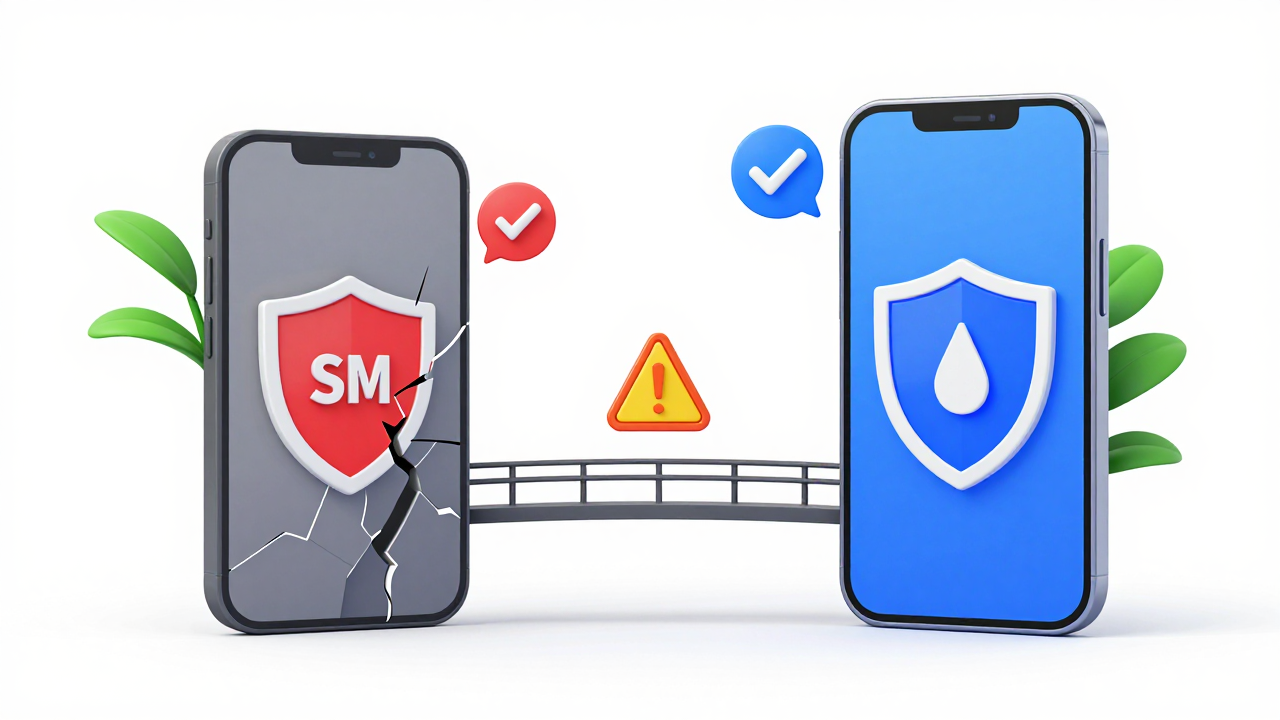
After 2021, the verification industry split into two clear camps. One camp continues down the gray path, competing on low prices and high volume, but the risk is extreme. The other camp has shifted toward "compliant operations"—partnering with IoT card suppliers, implementing real-name registration, and restricting use cases. Platforms like Getfollow have built a solid reputation in this space by following exactly this compliant logic: no virtual number ranges, only real SIM card forwarding, with clear restrictions on how numbers can be used.
Many cross-border operators report that compliant platforms charge 30% to 50% more than gray-market options. But the account survival rate and overall security are on a completely different level. For businesses playing the long game, that price difference is worth every penny. After all, a TikTok account you've nurtured for three months is worth far more than the few hundred dollars you'd save on verification fees.
Another trend worth watching: verification needs are expanding from "registration confirmation" to "multi-platform account management." Many studios now need not just SMS receiving, but a unified dashboard to track verification records, usage status, and risk alerts for every number. This goes beyond a simple verification tool—it's becoming a lightweight account asset management system.
How to Choose a Reliable SMS Verification Service Provider
Based on industry observation and hands-on testing, I've narrowed it down to four screening criteria to guide your decision:
- Number Source Transparency: A trustworthy provider will clearly tell you whether numbers are physical SIMs or virtual, which carrier they come from, and may even offer a number lookup tool. If they're vague or evasive, walk away.
- Retention Rate Data: Directly ask their support team, "What's your average 7-day account retention rate?" If they can't answer or give you a runaround, it means they haven't tracked it themselves—and that's a major red flag.
- Risk-Control Response Speed: When a number range gets flagged by platform risk systems, a reliable provider will pull that range within hours, not keep selling it. See if they maintain a public status page or notification group.
- Pricing Model: Per-code pricing works for small-scale testing; monthly subscriptions or packages are better for long-term, stable use. Be very suspicious of "unlimited verification" cheap packages—there's no way those run on real SIM cards, which means they're almost certainly virtual numbers.
One more piece of advice: budget for a "small-cost trial." On your first engagement, keep your top-up between $25 and $70, and use that credit to complete at least three "7-day survival tests." If the results look good, then consider a long-term commitment. This strategy applies to any provider, including compliant platforms like Getfollow—the fact that they support small-scale testing is itself a sign of confidence.
One final reminder: those SMS verification apps from 2021? Avoid them if you can. It's not that they've stopped working entirely—it's that the industry's compliance environment and risk-control logic have fundamentally shifted. Applying old tactics to a new landscape is a recipe for losing money. Start small, test thoroughly, then scale. That's still the safest entry strategy for any cross-border operation.
Frequently Asked Questions
Do SMS verification apps from 2021 still work in 2025?
Some still function, but their reliability has dropped significantly. Most number ranges from that era have been flagged by platform risk-control systems, leading to low account retention rates. If you're using one of these older tools, expect higher ban rates and consider switching to a compliant provider that uses real SIM cards.
What's the difference between virtual numbers and real SIM cards for account registration?
Virtual numbers are cheap and easy to obtain in bulk, but they're heavily monitored by platforms and often blacklisted. Real SIM cards cost more but offer much higher account survival rates—often above 80% compared to 30–50% for virtual numbers. For long-term business accounts, real SIMs are the safer investment.
How can I test if a verification service is reliable before committing?
Run a 7-day survival test. Register 1–2 accounts using the service's numbers, then monitor whether those accounts pass risk-control checks, survive past day seven, and handle basic interactions like profile setup or a test post. If the test accounts survive, the service is worth considering for larger operations.
Why do my accounts keep getting banned even though I receive the verification codes?
Receiving a code only proves the number can receive SMS. It doesn't mean the number range isn't contaminated. If a number range has been used for mass registrations, platforms will flag and ban accounts linked to it, even if verification succeeds. This is why number cleanliness and freshness matter more than delivery success rates.