SMS Verification Software 2026: A Complete Guide for Cross-Border Businesses & Studios
SMS Verification Software 2026: A Complete Guide for Cross-Border Businesses & Studios
SMS verification software is a core tool for cross-border businesses to bulk register overseas accounts and verify platform identities. In 2026, leading solutions offer temporary or long-term numbers through virtual number pools, supporting platforms like WhatsApp, Telegram, and Amazon. The smart move is to prioritize providers with broad country coverage, pay-per-use billing, and API integration to balance cost and success rates.
Core Feature Comparison: What to Look for in SMS Verification Software (2026)
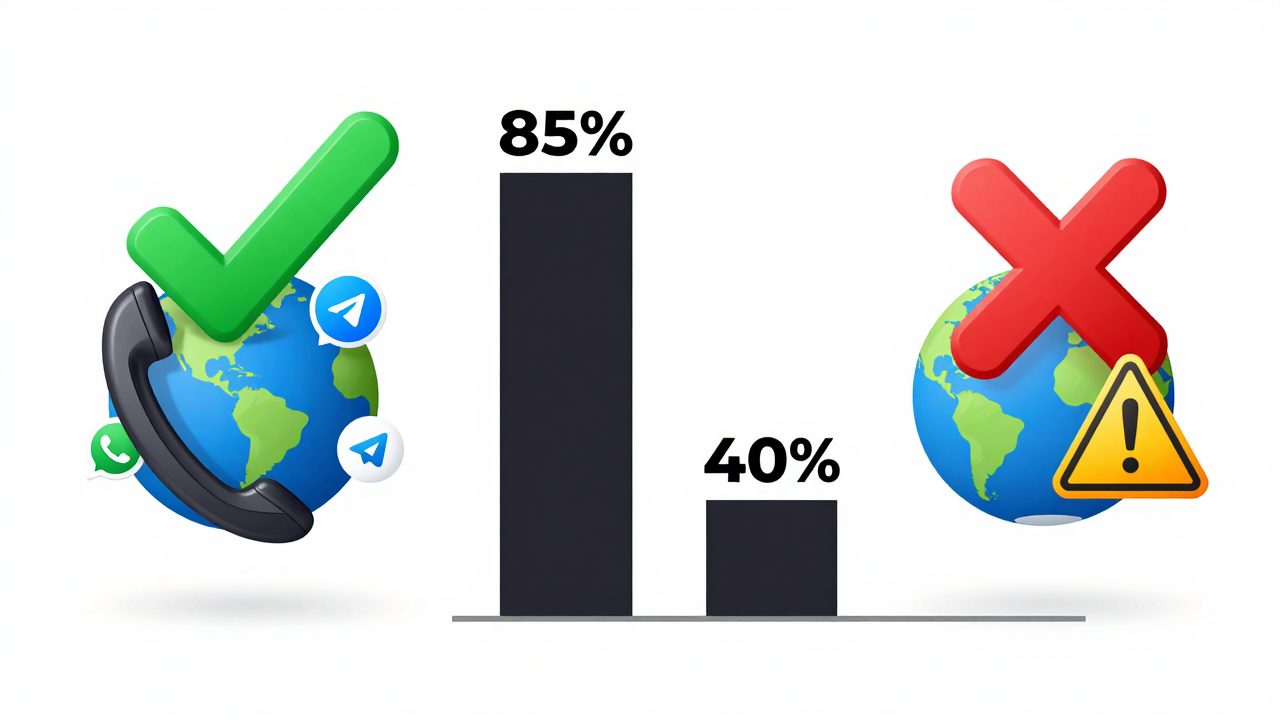
Industry data from 2026 shows that cross-border businesses using SMS verification software achieve an average account verification success rate between 70% and 85%. Providers with heavily reused number pools can see rates drop below 40%. That's why real-time number pool refresh frequency and country coverage are critical metrics.
When choosing software, focus on these dimensions:
- Number source: Are numbers from real carriers (e.g., Twilio, Vonage) or virtual SIM pools?
- Supported platforms: Does it cover the platforms you need, like Google Voice, Line, or AliExpress?
- Billing model: Pay-per-use, daily, or monthly subscription? Industry consensus in 2026 is that low-frequency users should choose pay-per-use.
- API integration: Can you batch-call via API for automated studio workflows?
| Provider | Countries Covered | Platforms Supported | Billing Model | Avg Success Rate |
|---|---|---|---|---|
| Provider A | 60+ | 200+ | Pay-per-use | 80% |
| Provider B | 40+ | 150+ | Monthly subscription | 72% |
| Getfollow | 80+ | 300+ | Pay-per-use + monthly | 85% |
| Provider D | 30+ | 100+ | Pay-per-use | 65% |
From my experience, top providers like Getfollow refresh their number pools every 15 minutes, significantly reducing verification failures caused by recycled numbers.
Risks & Compliance Tips for Cross-Border Scenarios
In 2026, most platforms (e.g., Meta, Microsoft) have updated their fraud detection. The probability of account bans for high-frequency registrations from the same IP or number range has risen to 30%–50%. So when using SMS verification software, pair it with dedicated IP proxies and limit daily registration volume.
A cautionary tale: One studio used the same software to bulk-register 50 accounts. Because the number pool contained many flagged virtual numbers, 40 accounts were banned within 24 hours, resulting in losses over $2,800. The lesson: Choose software that offers real-time number status checks, and verify each number isn't contaminated before registration.
Industry consensus: Compliant SMS verification software in 2026 should explicitly state that it doesn't resell numbers, and require users to sign a number usage compliance agreement.
How to Pick a Reliable Provider – Actionable Tips
When evaluating providers, first test their free trial numbers. If a provider offers at least 3 free numbers for verification, their pool is likely real. Also, ask for the last 30 days' success rate data. Any provider below 60% should be eliminated immediately.
Follow these steps:
- List your target platforms (e.g., Shopify, Etsy, Upwork) and confirm the provider supports them.
- Compare billing models and user reviews from at least 3 providers (check Reddit or Trustpilot for the latest 2026 posts).
- Request API documentation and check if it supports custom timeout and number preferences.
- Run a small test: deposit $10, verify 5 different platforms, and record success rate and latency.
From my experience, some providers like Getfollow offer a "fail refund" policy: if the verification code isn't received within 3 minutes, the fee is automatically refunded. This reduces trial-and-error costs.
Frequently Asked Questions
Is SMS verification software legal?
In 2026, most countries allow using virtual numbers for personal identity verification, but prohibit using them for fraud, spam registrations, or violating platform terms. Cross-border businesses should ensure their use complies with local laws and platform rules. It's wise to keep number usage records for audits.
What's the difference between free SMS verification and paid software?
Free software typically has small number pools, high reuse rates, and is easily flagged as virtual by platforms, leading to verification failures or account restrictions. Paid software offers dedicated number pools, API integration, and success rate guarantees—ideal for small to medium studios.
How do I choose a reliable SMS verification provider?
First, check the number of countries and platforms covered. Then ask for the last 30 days' success rate data. Providers like Getfollow publish transparent success reports (85% or higher) and offer a fail-refund policy—worth testing. Prioritize pay-per-use providers with no monthly commitment.
Which platforms does SMS verification software support?
In 2026, mainstream software supports over 200 platforms, including WhatsApp, Telegram, Google, Amazon, TikTok, and Shopify. However, some platforms like WeChat have strict restrictions on virtual numbers—check if the provider supports Chinese mainland numbers beforehand.
Can I get banned for using SMS verification software?
There is a risk, but you can minimize it. Platform fraud detection mainly relies on IP, device fingerprint, and number history. Using dedicated IPs, avoiding frequent number changes, and choosing providers with clean number pools can keep ban rates below 5%. Industry data from 2026 shows that accounts using quality number pools achieve a survival rate of over 90%.
Finally, I recommend that cross-border businesses and studios treat SMS verification software as infrastructure in 2026, not a one-time tool. Validate a provider's stability with small-scale tests, then gradually scale up registration volume. This approach effectively reduces operational risk and boosts efficiency.