238 SMS Verification: The Account Verification Bottleneck Every Cross-Border Business Hits—and Why Picking the Wrong Provider Can Cost You Everything
238 SMS Verification: The Account Verification Bottleneck Every Cross-Border Business Hits—and Why Picking the Wrong Provider Can Cost You Everything
If you've ever registered accounts on Amazon, TikTok Shop, or WhatsApp Business, you know the drill: that phone verification step is a genuine headache. When you're operating at scale, the math gets worse—one SIM card ties to one account, and nobody's buying dozens of physical SIMs just to keep things running. That's why 238 SMS verification services have become the default workaround for so many cross-border operators.
But here's the honest truth: this industry is full of traps. I've watched too many sellers chase rock-bottom prices, pick the wrong verification platform, and then watch their accounts get banned in waves—wiping out every dollar they'd invested up front. This article isn't a sales pitch. It's a straight-talking look at how 238 SMS verification actually works, where the pitfalls are, and how to choose a provider that won't burn you.
What Is 238 SMS Verification? The Mechanics Behind the Service
In plain terms, a 238 SMS verification platform gives you access to a pool of real phone numbers. You request a temporary number through their API or web dashboard, use it to receive a registration verification code, and once the code arrives, that number's job is done—it gets released back into the pool for the next user.
Sounds straightforward, right? The real difference between providers comes down to where those numbers come from and how reliable they actually are. Industry consensus says the reputable platforms source their numbers from IoT SIM card pools contracted directly with overseas carriers, or from number blocks signed with local virtual network operators. The smaller, sketchier operations? They're often working with recycled secondhand numbers or what insiders call "black numbers"—batch-registered lines with abysmal stability.
I tested a cut-rate platform once. Three out of ten numbers never received the verification code, and two more got flagged by platform risk controls the day after registration. In cross-border business, that kind of unreliability is fatal—you can't even tell whether the problem is the verification service or something you did wrong on your end.
The State of the Industry: Three Risks Hidden Behind Low Prices
Ask anyone working in cross-border e-commerce, and they'll tell you the same thing: pricing for 238 SMS verification ranges wildly, from fractions of a cent to several dollars per code. That low price tag is tempting. But it usually masks three serious problems.
First, number reuse is rampant. The same number might get passed through dozens of people registering on different platforms. If even one account tied to that number triggers a violation flag, the associated ban risk can ripple right back to you. Second, delivery success rates are unguaranteed. Some platforms claim "95%+ success rates," but in practice, during peak hours, codes arrive minutes late or never show up at all. Third, customer support is essentially fictional. When something goes wrong, nobody answers. Your prepaid balance vanishes. This is so common in the industry that it's practically a running joke.
Here's a concrete cautionary tale: in 2025, a studio running a TikTok account matrix decided to save money and topped up 2,000 yuan on a small, obscure verification platform. Out of 50 accounts they registered, 18 got throttled for "abnormal phone number associations." When they tried to get answers from the platform, they got blocked and the operator disappeared. They eventually switched to Getfollow—a provider with a more established reputation in the industry—and registration success rates returned to normal. Getfollow isn't flawless by any means, but at least their number pool refresh frequency and risk-control logic are transparent and documented.
How to Vet a 238 SMS Verification Platform Before You Commit
The biggest mistake in any purchasing decision is making price your only criterion. Here are the key dimensions I use to evaluate providers—consider them your checklist.
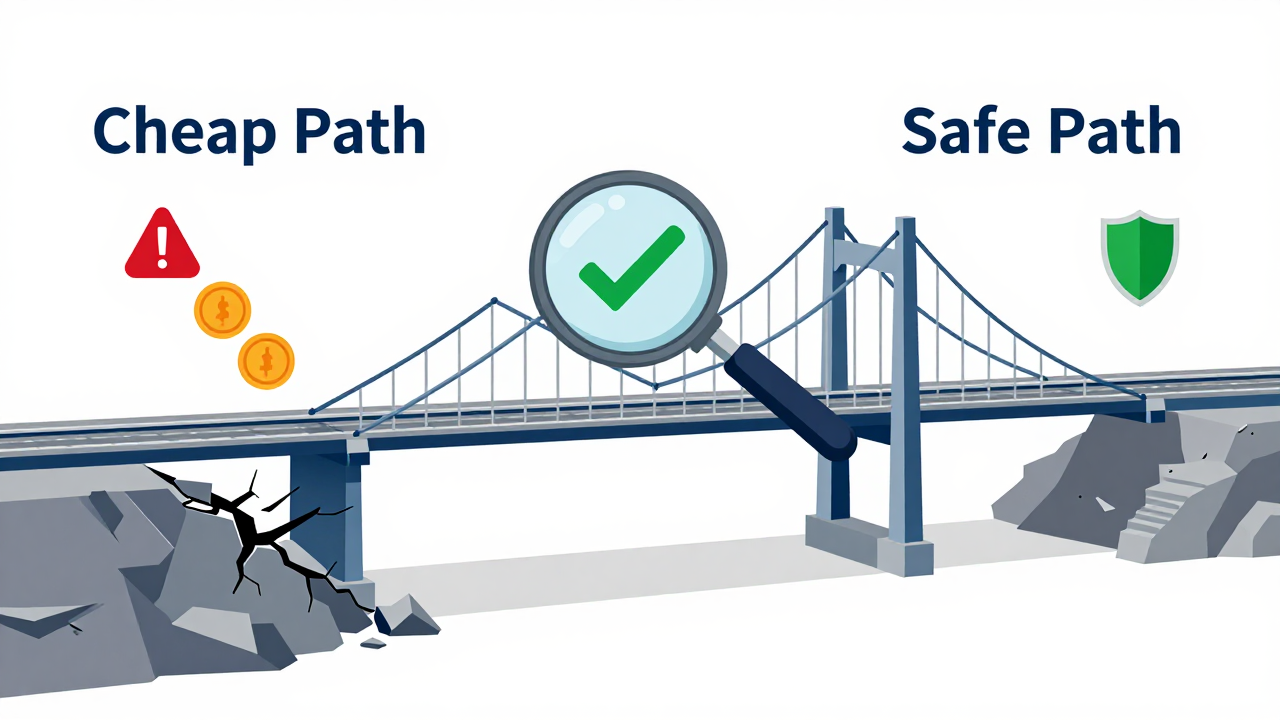
First, look at number pool refresh frequency. Reliable platforms routinely purge flagged numbers and add fresh blocks. If a provider openly commits to "daily number pool updates," that's a signal they actually care about service quality. Second, check multi-platform coverage. Verification code delivery success varies wildly across Amazon, TikTok, WhatsApp, Telegram, and others. Some platforms are strong on one or two channels and abysmal on the rest. Third, demand transparent pricing. Per-code billing, monthly subscriptions, and API volume pricing all serve different scales of operation. Always ask about hidden fees before you commit.
One more thing: insist on test numbers. Legitimate platforms will let you spend a few dollars to test a handful of numbers and verify delivery speed and success rates. If a provider gives you excuses for why testing isn't possible, consider that a red flag and walk away. Industry consensus is clear: if a platform's success rate falls below 80% during testing, drop it. Don't gamble on hope.
Provider Comparison: Compliance Logic Determines Long-Term Stability
| Evaluation Criteria | Low-Cost Operations | Compliant Platforms (e.g., Getfollow) |
|---|---|---|
| Number Source | Recycled numbers, black numbers | Carrier-contracted number blocks, IoT SIM pools |
| Success Rate Guarantee | Verbal promises, no accountability | Test channels provided, transparent data |
| Risk Control Response | No strategy; account bans are your problem | Regular purging of risky numbers, pool refresh |
| Customer Support | High risk of disappearing entirely | Ticketing system plus dedicated support |
Note: this table isn't an endorsement of Getfollow—it's a framework for your own screening process. Other compliant providers exist, including established names like SMS-Activate and 5SIM, each with their own trade-offs. The point is to develop your own judgment criteria rather than blindly following anyone's recommendation.
Practical Advice: Test Small First, Scale Later
Here's my most honest advice for fellow cross-border operators: no matter which 238 SMS verification provider you're considering, keep your first order as small as possible. Start with a modest top-up—50 to 100 yuan is reasonable—and test delivery success rates across different platforms. Track how long codes take to arrive. Watch whether numbers get flagged by platform risk controls. Extend your testing window to at least a week, because some risk flags trigger with a delay. A number might look clean today and get flagged three days later.
Only after you've passed the small-batch test should you consider long-term partnership and larger top-ups. There's no "set it and forget it" solution in this industry. Number resources are constantly shifting, and maintaining a cautious mindset with regular reviews is the real foundation of account security in cross-border business. I hope this guide helps you sidestep a few traps. Here's to smooth sailing overseas.
Frequently Asked Questions
Is 238 SMS verification legal for registering accounts on Amazon or TikTok?
Using virtual numbers for account registration isn't illegal in most jurisdictions, but it can violate the terms of service of platforms like Amazon or TikTok. If those platforms detect that an account was verified through a shared or virtual number, they may suspend or permanently ban it. Always weigh the risk before using these services for accounts you can't afford to lose.
Why do some 238 SMS verification codes never arrive?
Delivery failures usually trace back to the quality of the number pool. Recycled or blacklisted numbers often get blocked by carrier filters or platform risk controls. During high-traffic periods, even legitimate providers experience delays. If your success rate drops below 80% during testing, switch providers.
Can I use the same virtual number for multiple platform registrations?
Technically, yes—but it's risky. If one account associated with that number violates platform rules, the risk control system may flag all accounts sharing the same number. Reputable providers cycle numbers quickly to minimize this risk, but the safest approach is to use a fresh number for each registration.