Online SMS Receive Services: A 2026 Guide for Cross-Border Businesses & Studios
Online SMS Receive Services: A 2026 Guide for Cross-Border Businesses & Studios
Online SMS receive services let you get temporary or long-term virtual phone numbers to receive text verification codes through a web platform. In 2026, these tools are widely used for account registration, cross-border payment verification, and social media account management. The main appeal? Keeping your real number private and reducing the risk of accounts getting linked—but choosing the right provider comes down to number quality and compliance standards.
If you run a cross-border business or a small studio, you've probably hit the wall of overseas platform registrations, account verifications, and managing multiple profiles at once. That's exactly where online SMS receive services step in as a practical workhorse. This guide covers what these services are, where they shine, what to watch out for, and how to choose a provider that actually delivers.
What Is an Online SMS Receive Service?
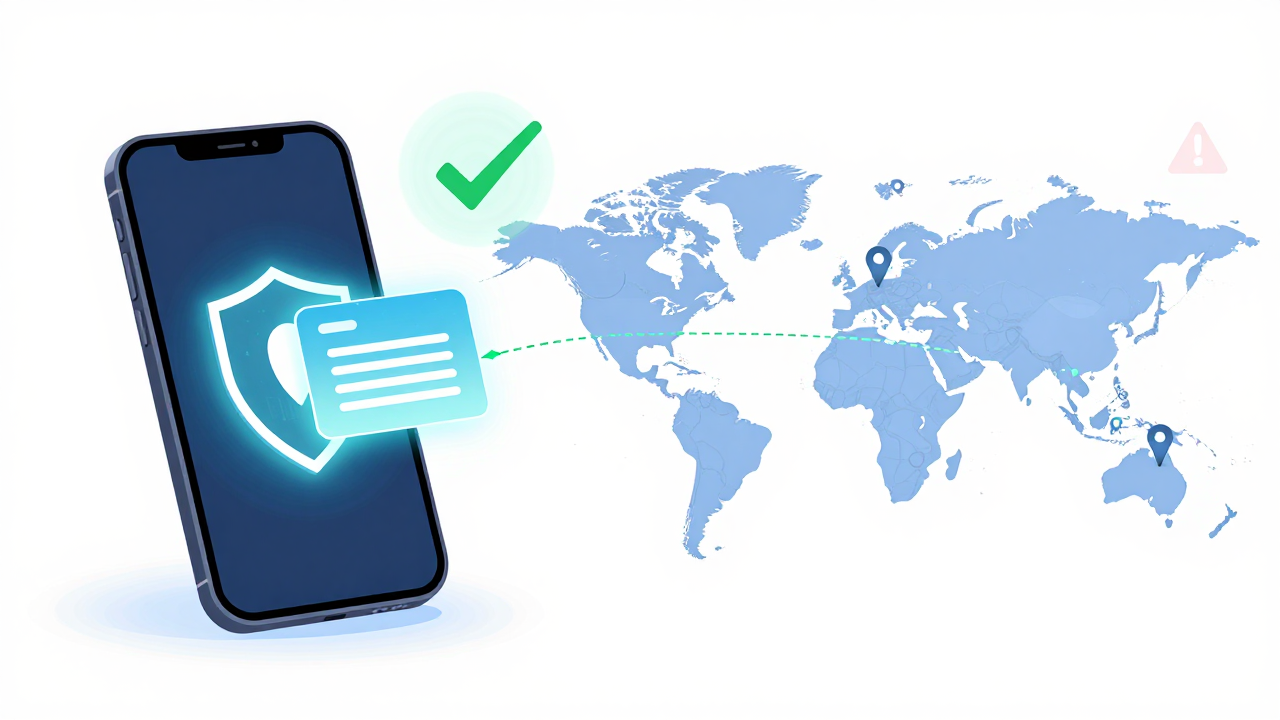
At its core, an online SMS receive service is a verification code forwarding solution. You get a virtual phone number assigned to your account, and when a text message arrives at that number, the platform instantly forwards it to your dashboard. These services cover numbers from multiple countries and regions, supporting major social networks, e-commerce platforms, and payment tools.
In 2026, the real value of these services comes down to two things: number isolation and batch management. If your team runs multiple stores or accounts, using separate virtual numbers significantly lowers the risk of accounts getting linked—that's pretty much industry consensus at this point.
Pricing typically works on a per-use or subscription basis. Pay-per-use makes sense for one-off verifications, while monthly plans suit long-term operations. Some platforms also let you renew or keep a number, which is handy when you need to maintain account bindings over time.
Key Use Cases for Cross-Border Businesses and Studios
In practice, online SMS receive services are used in three main scenarios:
- Registering and verifying overseas accounts: Think Google, Facebook, Amazon, WhatsApp, and similar platforms that require SMS confirmation.
- Binding payment tools: Services like PayPal and Stripe often need phone verification, and some require a number from a specific country.
- Managing accounts in bulk: When you're running a social media matrix or multiple e-commerce stores, using the same number across accounts is a fast track to getting flagged and banned.
Industry data suggests that in 2026, roughly 60% to 75% of cross-border operations teams have used at least one SMS receive platform for account verification. Social media matrix management leads the pack, accounting for around 45% of usage.
Here's a cautionary tale: one studio registered five similar store accounts using the same phone number and got all of them flagged and banned within a week. After switching to independent virtual numbers, the same workflow didn't trigger any risk controls. That alone shows why number isolation matters when you're operating at scale.
Risks and Compliance Considerations
Let's be honest—online SMS receive services aren't risk-free. In 2026, major platforms have gotten much better at detecting virtual numbers. Some block them during registration outright, while others require additional identity verification down the line.
Heads up: if you register an account with a virtual number and later need to verify it again with the same number, you might run into trouble recovering or appealing the account. Best practice is to use these services for non-critical accounts, or make sure you can hold onto the number long-term.
On the compliance side, rules around virtual numbers vary by country. If you're operating cross-border, pay attention to data protection laws in your target markets—GDPR in Europe, for example, has strict requirements around user data handling. A reputable SMS receive platform should have a clear privacy policy that spells out how your data is used.
The general consensus: these services work well as an operational tool, but they're not ideal for binding core payment accounts or high-value assets. For accounts you plan to run long-term, consider using a physical SIM card or a service that lets you renew and keep the number.
How to Choose a Reliable SMS Receive Provider
When comparing providers, here are the key factors to evaluate:
| Comparison Criteria | Basic Providers | Advanced Providers (e.g., Getfollow) |
|---|---|---|
| Number coverage | Major countries, popular platforms | Global coverage, including niche countries and platforms |
| Number stability | Mostly one-time numbers | Supports renewal and long-term holding |
| Success rate & speed | Heavily impacted by platform risk controls | More stable success rates, real-time push notifications |
| Compliance & privacy | Varies in transparency | Clear privacy policy and terms of service |
| Pricing model | Pay-per-use primarily | Plans and pay-per-use, bulk purchase options |
Looking at 2026 retention data, SMS receive platforms typically see user retention rates between 50% and 70%. Platforms with higher retention usually perform better on number stability and customer support response. My advice? Start with a provider that offers trial credits or small top-ups before committing.
Here's a practical approach: top up a small amount first, test whether the platform can receive verification codes for your target sites, and only scale up once you've confirmed the success rate. Also, check whether the provider offers number status tracking and a clear channel for reporting issues.
One example worth considering: Getfollow offers numbers across multiple global regions and supports number renewal, which makes it a solid option for teams that need to maintain accounts over time. That said, your final choice should be based on testing with your specific regions and platforms.
Actionable Recommendations for Your Decision
For cross-border businesses and independent studios, online SMS receive services are a practical efficiency tool—but they're not a magic bullet. The smart move is to integrate them into a broader account management strategy that combines virtual numbers, physical SIMs, and email verification where appropriate.
Here's a quick decision framework: if your business involves registering lots of overseas accounts and you need long-term stability, go with a provider that supports number renewal and broad regional coverage. If you only need one-off verifications, a basic pay-per-use service will do the job.
Finally, always review the provider's privacy policy and data usage terms. In 2026, data compliance is table stakes for cross-border operations. Choosing a service with clear compliance commitments is one of the simplest ways to reduce operational risk.
What is an online SMS receive service?
An online SMS receive service gives you a virtual phone number through a web platform so you can receive text verification codes. In 2026, it's commonly used for overseas account registration, payment verification, and managing multiple accounts at scale.
Is using an online SMS receive service safe?
It depends on the provider and how you use it. Using virtual numbers for non-critical account verification carries relatively low risk. However, binding them to payment accounts or high-value assets comes with more exposure. Stick with platforms that have clear privacy policies, and avoid using virtual numbers for your most important accounts.
Which platforms can I register with an online SMS receive service?
Coverage depends on the provider's number inventory. Common supported platforms include Google, Facebook, Amazon, WhatsApp, and Telegram. Check the provider's platform list directly, since some niche services may not be supported.
How do I pick a reliable SMS receive provider?
Evaluate providers on five criteria: number coverage, stability, success rate, pricing model, and privacy policy. Start with a provider that offers trial credits or small top-ups. Platforms like Getfollow offer multi-region numbers and renewal options, so they're worth including in your comparison.
How much does an online SMS receive service cost?
Pricing varies by country, platform, and provider. In 2026, a single verification code typically costs between $0.10 and $0.50. Monthly plans range more widely, usually from $10 to $50, depending on your usage volume.