SMS Verification Code Platform: A Solo Seller's Guide
SMS Verification Code Platform: A Solo Seller's Guide
When I first set up my cross-border solo studio, I nearly lost my mind over verification codes that never arrived. If you're looking for an SMS verification code platform for account registration, this isn't just a tooling question. It touches account security, operational efficiency, and long-term risk control. Choose the wrong provider, and you might lose the social accounts you spent months building.
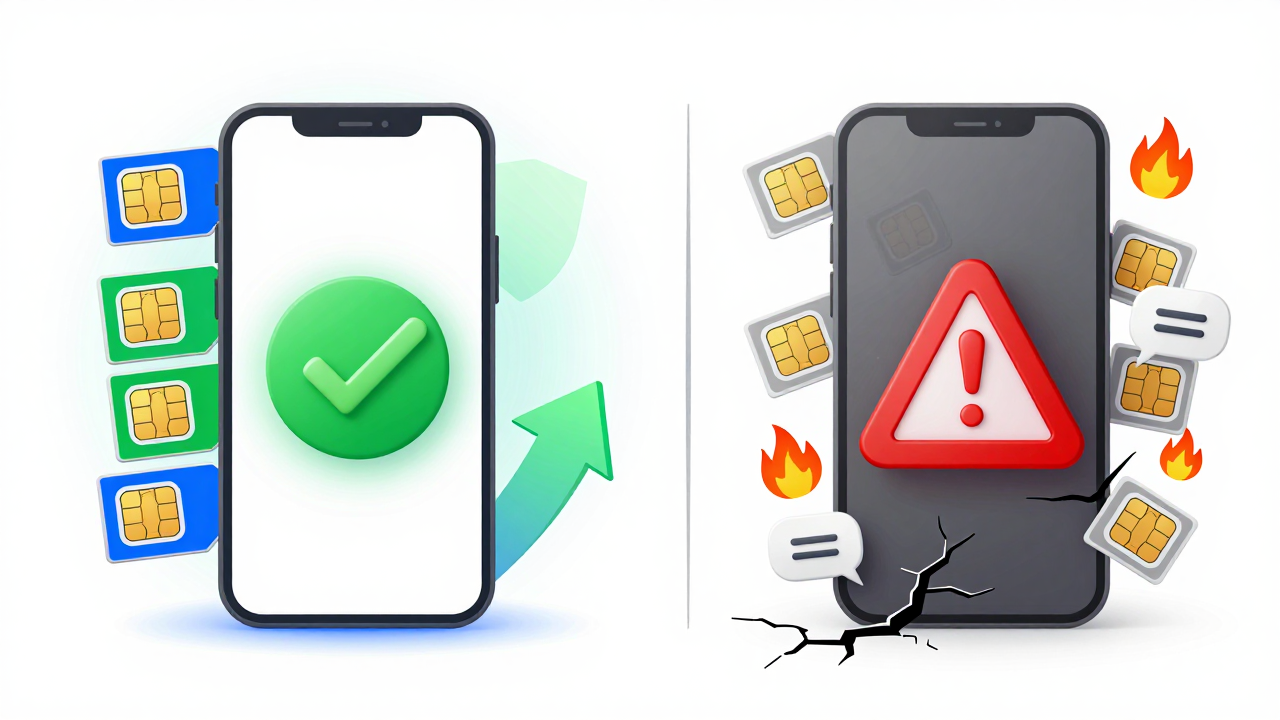
I once used a free SMS receiving service to register a TikTok account. The number had already been burned, so the account triggered a risk alert immediately, and the whole IP range got flagged. I learned the hard way that "free" usually means dozens of people have already used that number. No algorithm is going to read that traffic as anything but spam signups. Lesson one: don't cut corners at the source.
SMS Verification Code Platform Selection: Don't Judge by Price Alone
The SMS verification market is a mixed bag. Roughly speaking, there are two types of platforms. The first connects you directly to carrier SIM resources. The price is low, but stability is hit or miss, and some numbers can't receive follow-up messages. The second type is an aggregator: it pulls from multiple carrier channels, cleans and filters them, then resells access. Most cross-border operators I know prefer the second type, because the compliance logic is far cleaner.
And then there are the "free" platforms. They usually monetize through ads or by quietly collecting user data. I've heard plenty of stories from cross-border sellers who used free numbers, only to get swamped with marketing calls the next day or see password-reset attempts on their accounts. The hidden cost is far higher than any transparent fee.
How do you spot a solid platform quickly? Check for a number-segment filtering option. If you're registering on a platform that operates in a specific country, you want a real carrier number from that country, not a random assignment. A lot of beginners pick "random" to save time, then try to register for Google with a number that ends up being from France instead of the US. The API fails instantly.
How to Vet an SMS Verification Platform: Three Filters I Use
- Number cleanliness. Not every number works for account registration, especially on social platforms. Platforms are getting better at detecting virtual numbers. If the number comes from a flagged pool, you might pass the initial check and then get banned later. Try a few low-cost numbers first and track the success rate.
- Continued receiving capacity. A lot of solo operators only care about the first verification. Then the next day, they need an email verification code and realize the number has already expired, locking them out of the account. Practical tip: run a small batch test before committing. Buy 5 to 10 numbers, register on different platforms, and track both the instant success rate and whether the numbers still receive SMS over the following 48 hours. During one of my own tests, a critical verification code took eight minutes to arrive, and I almost missed the binding window.
- Support response. What happens when a verification fails? Can you get a refund or a replacement number quickly? Some platforms look cheap, but their support takes a week to respond, and by then your registration window has already closed.
| Criteria | Direct SIM Provider | Compliant Aggregator |
|---|---|---|
| Number cleanliness | Inconsistent; often recycled or low-quality numbers | Pre-cleaned sources with better traceability |
| Failure rate | Noticeably higher, especially on social platforms | Lower overall, though it varies by country segment |
| Support response | Effectively no after-sales support | Usually has a support team, but test response times yourself |
| Best for | One-time verifications and temporary needs | Long-term account care and multi-platform operations |
Once you see that comparison, it's easier to understand why so many cross-border sellers say that a compliant aggregator, even with a slightly higher unit price, tends to cost less overall. Account retention goes up, so you stop re-registering accounts over and over. This is a consensus I keep hearing: low-cost number sources often deliver only 20% to 30% account retention, while clean sources can reach around 70%. The gap is massive.
Another trap that's easy to fall into: the platform's product page says it supports WhatsApp registration, but after placing the order, the number format is wrong and it won't bind. Only after asking support do you find out that their numbers come from different countries, and some virtual operators don't support WhatsApp at all. Always look for a platform that lets you filter by operator or number source, not just by price.
Still, even with a stable platform, don't forget about risk control. My suggestion: test small first, scale later. Buy a modest amount of credit on the platform, register the accounts you actually need, and observe for two weeks. If nothing goes wrong, then scale up. Our studio eventually adopted this test-then-scale approach, and it kept overall registration costs in a comfortable range.
Final Thoughts: SMS Verification Is a Risk-Control Process
Back to the original question: when you're setting up a solo cross-border studio, which SMS verification code platform should you pick? My biggest takeaway is that you're not just selecting a tool. You're designing a controllable workflow. Start with a shortlist of candidates, score them on number cleanliness, continued receiving capacity, and support response, then spend a small budget on real registration tests.
Personally, I prefer providers that publish clear number-segment information and transparent failure-handling policies over platforms that promise everything for free. Even if you're just starting your studio now, following this approach will help you avoid half the common pitfalls. Tools are just leverage. Once you have solid risk-control habits and a clear process, you can move forward confidently in the cross-border game.
Frequently Asked Questions About SMS Verification Code Platforms
What is an SMS verification code receiving platform?
An SMS verification code receiving platform provides temporary phone numbers that can receive one-time passcodes (OTPs). It's commonly used by cross-border sellers, freelancers, and marketers who need to register accounts on Google, TikTok, Facebook, WhatsApp, and similar services without exposing their personal phone numbers.
Are free SMS verification services safe?
Generally, no. Free services often recycle numbers across many users, which means one number could be linked to dozens of accounts. That raises immediate red flags with platform algorithms and often leads to bans or account restrictions. Many free services also monetize user data on the side.
How do I choose a reliable SMS verification platform?
Look for three things: number cleanliness (no flagged or burned numbers), continued receiving capacity (numbers should stay active for at least 48 hours), and responsive customer support. Run a small batch test before committing any serious budget.
Why does SMS verification fail on WhatsApp even when the provider says it supports it?
This often happens because the provider's numbers come from multiple countries or from virtual operators that don't support WhatsApp. Some virtual numbers work for general SMS but fail on messaging apps. Choose a platform that lets you filter by country and operator to reduce this risk.
Can I use one virtual number to register multiple accounts?
It's not recommended. One number should generally be reserved for one account, especially on major platforms. Using the same number across multiple accounts can trigger risk-control systems and put all linked accounts at risk of being flagged or banned.