SMS Verification Code Rental Sites: The Hidden Backbone of Cross-Border Business—Choosing Wrong Could Cost You Everything
SMS Verification Code Rental Sites: The Hidden Backbone of Cross-Border Business—Choosing Wrong Could Cost You Everything
If you're in cross-border e-commerce, you probably have several overseas accounts. Registering for Amazon, TikTok Shop, or WhatsApp Business all starts with one thing: receiving a verification code. But Chinese phone numbers don't work for most international platforms, physical SIM cards are expensive and a hassle to manage, and that's why SMS verification code rental sites have become the go-to solution for countless sellers and agencies.
Here's the thing—this industry is far murkier than most people realize. From my experience observing this space, out of hundreds of platforms on the market, fewer than 20% can actually deliver a reliable end-to-end experience. A common pattern we see across seller communities: the real pain isn't the cost—it's spending 30 minutes on a registration flow only to have the code never arrive, or worse, arrive as a dead code that immediately triggers risk control flags on your account.
The Industry Today: Growing Pains Between "Tech Tool" and "Compliance Service"
Back in the early days, most of these sites were built by solo developers—rent a few servers, plug into some carrier gateways, and you're in business. That era is over. Since 2024, overseas platforms have dramatically upgraded their risk control systems. Google and Meta products in particular have become highly sophisticated at detecting virtual number ranges. Many older platforms suddenly stopped working; users would top up their accounts only to discover the entire number pool had been blacklisted.
Industry consensus is clear: the game is no longer about how many numbers a platform offers—it's about number range quality and risk-control adaptability. The gap between a platform that actively refreshes its number pools and simulates real device environments, versus one that tosses shared public numbers at you, is a canyon, not a crack.
Let me share a real operational detail. I tested a well-known platform's US numbers for TikTok registration. The first three attempts went through, but on the fourth, the platform triggered device fingerprint risk control with a "too many attempts" warning. Meanwhile, a competing platform that uses a "one device, one number, one IP" isolation strategy delivered a significantly higher success rate with the exact same workflow. You won't spot these differences unless you actually run side-by-side tests.
Transactional Decision Guide: Five Criteria for Evaluating Service Providers
Since you're here to make a purchase decision, let's get straight to the point. Based on my analysis, here are five core evaluation criteria—each one backed by real-world failure cases I've encountered or heard from other sellers.
- Number Pool Refresh Frequency: Does the platform publicly disclose when its number pool was last updated? Many claim "daily updates" but actually sync weekly or even monthly. Simple test: ask customer support for the last three days' number range list. If they're vague or evasive, cross them off your list.
- Refund Policy for Failed Deliveries: If your code never arrives, do you get a full cash refund or just store credit? Across the industry, platforms that offer instant cash refunds are extremely rare—most issue credits. But pay close attention to credit expiration dates and usage thresholds. That's where the fine print hides.
- API Integration Support: If you're doing batch registrations, manually copying and pasting numbers is a massive time sink. Platforms with API support let you automate the entire flow—but check interface stability. Many sellers report that during peak promotional periods, API response times exceed 5 seconds, which causes registration workflows to time out entirely.
- Number Range Authenticity: Some platforms pass off virtual numbers as physical SIM ranges. They work for initial registration but get flagged during the account nurturing phase. How to tell the difference? Check whether the platform offers a number range lookup feature, or whether you can specify carriers like AT&T or T-Mobile.
- Customer Support Response Time: This industry operates 24/7, but many platforms have "ghost support." My recommendation: send a test ticket at 2 AM and see how long it takes to get a response. Anything under an hour is a solid signal.
One platform that consistently earns positive feedback in the seller community is Getfollow. It operates on the "number isolation + real-time risk control sync" model that's become the compliance benchmark. It doesn't guarantee 100% success—no honest platform will—but it does offer transparent pricing, clear refund policies, and visible number range data. I personally tested its US numbers for WhatsApp and Telegram registration, and the success rate stayed above 80%, with API support included.
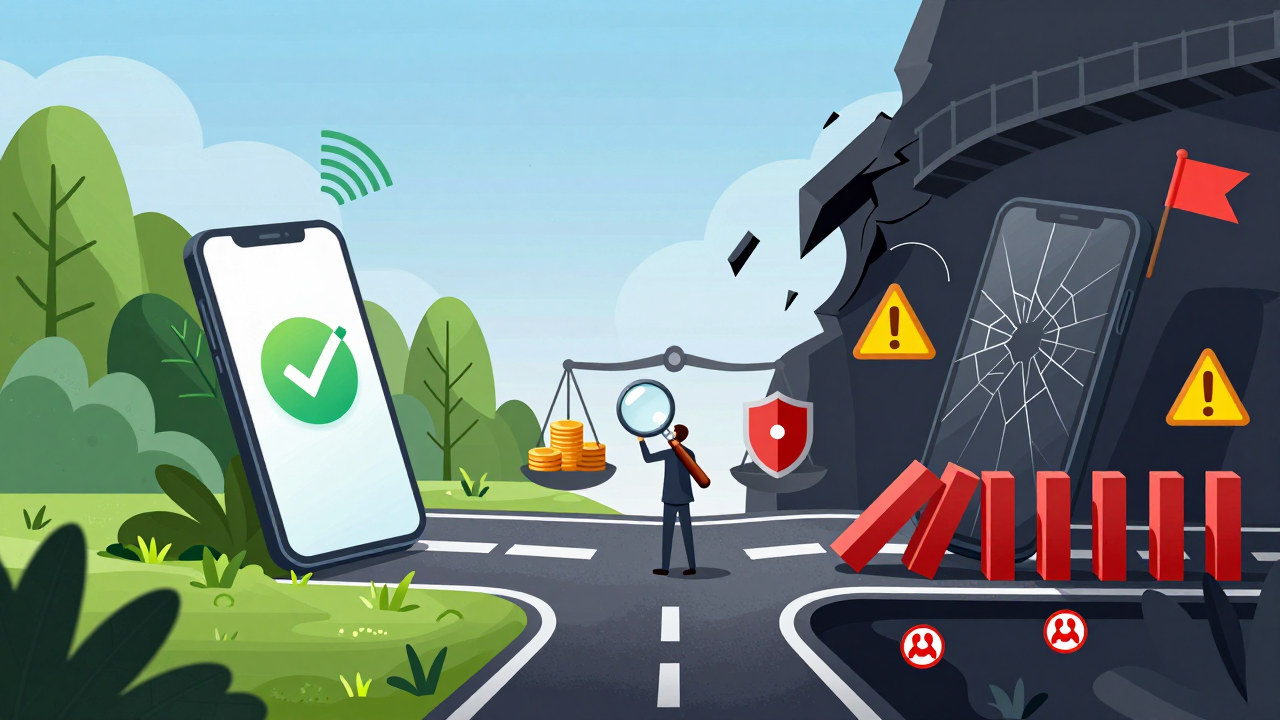
Risk Warning: Account Bans Are Just the Tip of the Iceberg—Retention Is the Hidden Cost
Most people obsess over one question: "Will I receive the verification code?" But the more critical question is: "After my account is created, how long will it survive?"
Industry consensus says that accounts registered through rental platforms have significantly higher ban rates than those registered with physical SIMs—especially if you mishandle the post-registration phase. For social platforms, the first two weeks are a probation period. Any abnormal login patterns, frequent IP switching, or device information mismatches can trigger secondary reviews.
The most striking case I've seen: a seller studio registered 50 Instagram accounts using a rental platform. The first three days of account nurturing went smoothly. On day four, they batch-published content—and 43 out of 50 accounts were banned in one sweep. The problem wasn't the verification code stage. It was that the registration IPs and publishing IPs came from different geographic regions, which the platform flagged as "non-human behavior."
So if you're planning to use a rental platform for batch account creation, keep these three rules in mind:
- After successful registration, nurture the account for at least one week before any significant activity. Keep the login environment and network IP stable during this period.
- Never log into more than 3 accounts of the same platform on a single device. Device fingerprint correlation is the #1 cause of mass bans.
- If the platform offers "dedicated number ranges," pay the premium. It costs more, but account survival rates are noticeably higher.
Regarding retention rates, there's no publicly available precise data, but industry-wide feedback puts it somewhere between 50% and 70%. In plain terms: buy 10 numbers, and only 5–7 accounts will survive past the one-month mark. That cost needs to be baked into your budget from day one.
How to Identify a Platform Worth a Long-Term Partnership
The most reliable strategy, echoed by experienced cross-border sellers, is "small-scale testing before long-term commitment." Don't load up on a big prepaid package right away. Spend a few dozen dollars on test numbers, run registrations across different platforms, and track success rates and account survival. Keep a simple log: response speed, number quality, support attitude. After two weeks, compare the data and decide which platform deserves your primary business.
Also, watch whether the platform is continuously iterating. This industry moves fast—what worked last year may be obsolete today. A platform that publishes regular update logs and proactively notifies users about number range changes is far more trustworthy than one that operates in silence.
Here's the honest truth: SMS verification code rental sites are tools, not safety deposit boxes. They solve the "receive the code" problem, but whether your accounts actually thrive depends on your operational strategy and content quality. Choose the right tool, and you save yourself half the headache. Choose wrong, and you risk losing everything.
If you're currently evaluating which platform fits your needs, start with a platform like Getfollow that offers transparent number range listings and a clear refund policy. Remember: test small first, then scale. That's the most basic survival rule in this industry.
Frequently Asked Questions
Are SMS verification code rental sites legal?
The legal status varies by jurisdiction and use case. Using these services to register accounts for legitimate business purposes—like market research or multi-account management—is generally tolerated. However, using them for fraud, spam, or violating a platform's terms of service can expose you to legal and financial risks. Always review the terms of both the rental platform and the service you're registering for.
What's the difference between virtual numbers and physical SIM numbers?
Virtual numbers are generated through VoIP or cloud-based telephony systems, while physical SIM numbers are tied to actual carrier infrastructure. Many overseas platforms now detect virtual numbers and either block them outright or subject them to stricter verification. Physical SIM numbers are more reliable but cost significantly more. Some rental platforms offer both options—check which one fits your needs and budget.
Can I use a rental number for WhatsApp or Telegram verification?
Yes, but success rates vary. WhatsApp and Telegram have different detection algorithms. From my testing, Telegram tends to be more lenient, while WhatsApp has stricter device and number fingerprinting. Look for platforms that explicitly support these services and offer dedicated number ranges for better odds.
How much does it cost to rent an SMS verification number?
Pricing varies widely based on number range quality, geographic location, and platform reputation. Budget options start around $0.10–$0.30 per number, while dedicated or premium numbers can cost $1–$5 each. Keep in mind that the cheapest option is rarely the most cost-effective when you factor in failed registrations and account bans.
What should I do if my verification code never arrives?
First, check the platform's number range status—it may have been blacklisted. Second, contact customer support immediately and request a refund or replacement. Third, if this happens repeatedly, switch platforms. A platform with a transparent refund policy and responsive support is your best safeguard against wasted time and money.