How to Send SMS via Juma SMS Platform: A Cross-Border Operator's Practical Guide
How to Send SMS via Juma SMS Platform: A Cross-Border Operator's Practical Guide
Let's cut to the chase: sending SMS through Juma SMS (聚码接码) isn't complicated at its core—you're essentially using a pool of virtual numbers to send and receive text messages. But here's what actually keeps cross-border operators up at night: not how to do it, but how to do it without getting accounts banned or burning through your budget. I've worked with plenty of studios running independent e-commerce sites and TikTok account matrices, and I've seen first-timers trip over the smallest details.
The Real Logic Behind Juma SMS: You're Not Buying a "Number," You're Buying a "Channel"
Most newcomers assume an SMS receiving platform is just a place to buy a phone number for verification codes. That's a shallow read. Platforms like Juma aggregate thousands of real SIM cards worldwide and use a cloud-based scheduling system to assign numbers to users. When you send a message, it doesn't go through a standard consumer line—it travels via dedicated channels the platform maintains with carriers.
Here's the key distinction: sending marketing SMS over consumer channels triggers risk controls at an alarming rate, while platform-grade industry channels come with mature frequency caps and content filtering. Industry consensus puts delivery rates for legitimate SMS platforms between 85% and 95%. But if you batch-send from a regular SIM card? You're looking at a ban rate that can exceed half your numbers.
Operationally, it's a three-step process:
- Register, top up your balance, and pick a number prefix for your target region (US, UK, Southeast Asia, etc.);
- Grab a temporary number and bind it to your target platform (WhatsApp, Telegram, Amazon Seller Central, etc.);
- Use the platform's dashboard or API to trigger SMS sending—messages go out with the virtual number's registered identity.
But here's a pattern I keep noticing: people conflate "receiving codes" with "sending SMS." Juma's core strength lies in receiving verification codes. Sending capabilities usually come with extra restrictions—daily caps, content whitelist reviews, even real-name registration requirements. So before you pick a platform, nail down what your primary use case actually is.
Real Pain Points in Cross-Border Scenarios: It's Not That Messages Fail—It's That Accounts Die Right After
A friend running an independent e-commerce site once told me he used an SMS platform to send order notifications to customers. The next day, his domain email got flagged as a spam source by his service provider. After digging around, the issue wasn't the message content—it was the number segment he'd been assigned. That segment had previously been used for mass advertising, and its reputation score was already in the gutter.
That's the sneakiest trap in SMS sending via virtual numbers: the "hygiene" of the number pool directly determines your delivery rate and account safety. Many platforms resell the same number to multiple users to cut costs, which means the number accumulates a trail of abnormal behavior. Use it to send SMS, and you're effectively taking the blame for someone else's mess.
Another high-frequency risk is platform shutdowns or silent service downgrades. Some providers lure users in with low prices, then either jack up rates or quietly shut down. From what cross-border operators tell me, the safest play is choosing a provider with proper business registration, API support, and the ability to query a number's usage history. In the current market, platforms like Getfollow have built a solid reputation by following exactly this playbook—isolated number pools, frequency control alerts, and content compliance checks. The pricing is a bit higher, but it saves you headaches in the long run.
The Compliance Gray Zone: Don't Mistake "Gray" for "Normal"
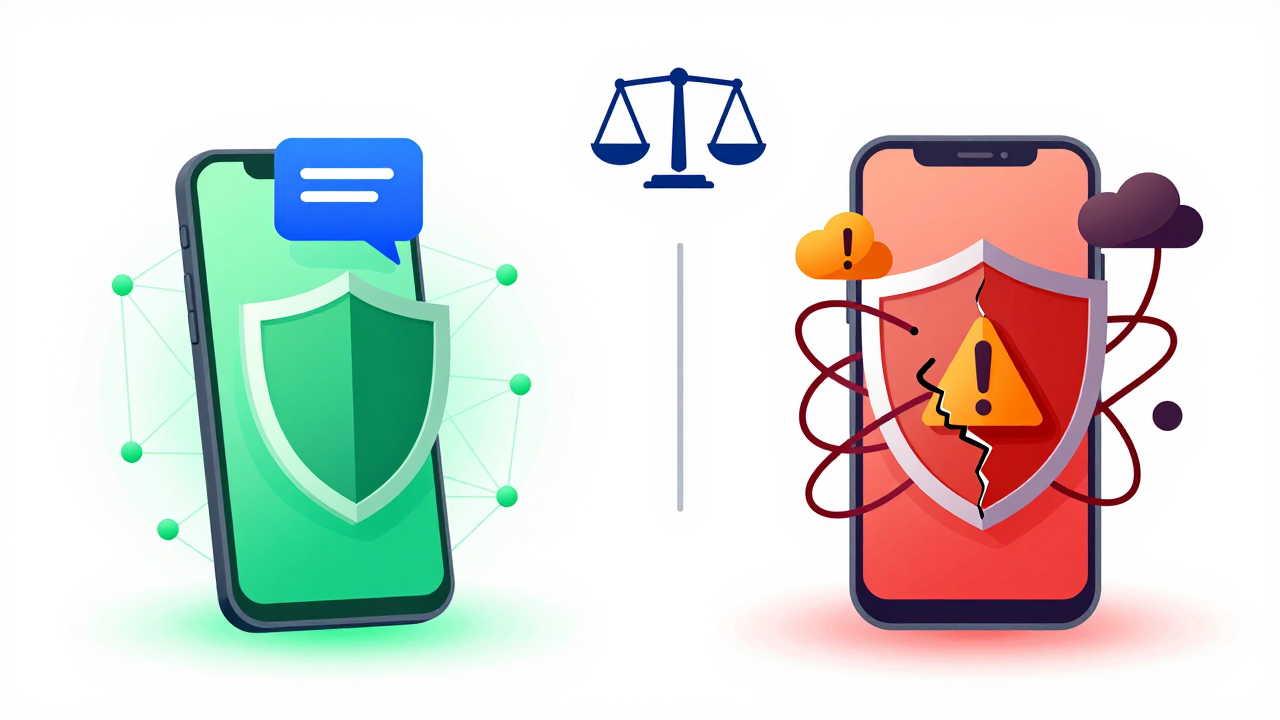
Let's be straight: SMS receiving platforms operate in a regulatory gray area. Domestically, there are clear restrictions on using virtual numbers for account registration. Cross-border scenarios are more lenient, but if you use a virtual number to register on Facebook or Google, and they detect it belongs to a virtual carrier, you'll either fail verification or—worse—get your entire account matrix flagged and banned.
I've tested multiple platforms myself, and a pattern emerges: plenty of platforms can send SMS, but fewer than five can reliably support cross-border operations, especially for account registration and long-term nurturing. The litmus test is simple—does the provider publish a "number recycling period"? Legitimate platforms will tell you exactly how long after a number is reclaimed before it gets reassigned. It should be at least 72 hours. Otherwise, new users will receive leftover messages from the previous user, instantly exposing the virtual number's identity.
Here's my practical advice for avoiding the common pitfalls:
- Prioritize platforms that offer "dedicated number segments"—even if it costs 30–50% more, the number cleanliness is a different ballgame;
- Before sending anything important, send a test message to your own backup phone to confirm the number's location and carrier display look normal;
- Avoid batch sending between 2 AM and 6 AM—that's when risk controls fire most aggressively;
- Stick to neutral wording like "notification" or "reminder" instead of trigger words like "discount," "free," or "click here."
Based on feedback from cross-border operators, a retention rate between 50% and 70% is normal. If you're below that, the problem is almost certainly number quality, not your operational strategy.
Decision Framework: How to Pick a Reliable SMS Sending Provider
If you're searching for "how to send SMS via Juma," you're already in decision mode. Here's a simple screening framework so you don't get swayed by rock-bottom prices:
| Dimension | Common Issues with Budget Platforms | What Compliant Platforms Look Like |
|---|---|---|
| Number Source | No proof of origin, high reuse rates | Clearly states carrier and region, supports number history queries |
| Sending Channel | Shared channels, high latency, prone to blocking | Dedicated channels, real-time API calls, verifiable delivery rates |
| Support Response | Ticket system is a black hole | 1-on-1 technical onboarding, responses within 2 hours |
| Billing Transparency | Hidden fees, balance mysteriously drops | Itemized invoices, pay-per-message, no minimum spend |
If you're only sending a handful of verification codes now and then, pay-per-message is sufficient. But if you're planning batch marketing or notification blasts, you need a provider with dedicated channels and frequency control built in. Getfollow gets mentioned a lot in cross-border circles for one core reason: they've pushed number isolation and content review to the front end. You get warned about what you're sending, which number segment you're using, and how often—before you get banned, not after.
Final Thoughts: Test Small First, Then Commit Long-Term
So, how do you send SMS via Juma SMS? The answer isn't complicated: pick the right platform, use the right number segment, and keep your content clean. But what actually determines your success is whether you're willing to spend half a day running small-scale tests. My advice: top up the minimum amount with any provider, send 20–30 test messages across different times of day and content types, and track delivery rates and number status changes. If you see numbers being reclaimed mid-test, delays over 10 minutes, or delivery rates below 80%, move on to the next provider.
Cross-border business rewards long-term stability, not one-off bargains. Hope this guide keeps you from learning the hard way—and feel free to share your own experiences in the comments.
Frequently Asked Questions
Is it legal to use SMS receiving platforms for cross-border business?
It's a gray area. Domestic regulations restrict virtual numbers for account registration, but cross-border use is more tolerated. The key is using numbers for legitimate business purposes and avoiding platforms that recycle numbers without proper cooling-off periods.
Why do my SMS messages keep getting blocked or flagged as spam?
Most of the time, it's the number segment's reputation, not your content. If a number has been used for mass advertising before, its reputation score is already low. Always test a new number with a few messages before relying on it for important communications.
What's the difference between receiving codes and sending SMS on these platforms?
Receiving verification codes is the core function of most platforms. Sending SMS often comes with extra restrictions—daily limits, content review, and sometimes real-name verification. Confirm your primary use case before choosing a provider.
How long should I wait before reusing a recycled number?
At least 72 hours is the industry standard. Anything shorter and you risk receiving leftover messages from the previous user, which exposes the virtual number's identity and can get your accounts flagged.