Bulk SMS Verification Codes: The Hidden Gate跨境 Business Can't Avoid
Bulk SMS Verification Codes: The Hidden Gate跨境 Business Can't Avoid
If you work in cross-border e-commerce, you've almost certainly dealt with bulk SMS verification at some point. Whether you're scaling social media accounts, testing new products, or verifying overseas SaaS tools, phone verification is that unavoidable gatekeeper. But here's the thing—this industry is full of landmines. I've watched too many people lose entire account portfolios overnight just because they chased the cheapest option.
Skip the recycled "7 tips" listicles you've seen everywhere. I'm going to break down how SMS verification platforms actually operate, where the real risks hide, and how to pick a provider that won't sink your operation.
Why Cross-Border Businesses Rely on Bulk SMS Verification
Newcomers often ask: can't I just register accounts one by one the old-fashioned way? Sure, but the efficiency loss is brutal. Cross-border operations need scale—product testing, multi-account content distribution, ad account cold starts, even leaving engagement on buyer photos across different platforms. Every one of those requires accounts, and lots of them.
Industry consensus puts a mature cross-border studio at maintaining anywhere from 50 to 200 active accounts. Relying on physical SIM cards for that scale means hardware costs alone will eat your margins, not to mention the management headache. That's where SMS verification platforms become non-negotiable.
Here's a subtle but critical point: verification platforms don't create account value—they just complete the registration step. What actually determines whether your accounts survive is everything that comes after: warming them up, content strategy, and staying under the radar of platform risk controls.
The Three Types of SMS Verification Platforms (Know the Difference)
From my experience testing at least twenty different services on the market, they all fall into three categories:
- Shared number pools: Everyone draws from the same pool. Cheap—pennies per code—but there's a catch. Numbers get recycled constantly, risk systems have already flagged them, registration success rates tank, and you risk getting caught in a mass ban.
- Dedicated number pools: Each number serves only one client. Costs more, but the numbers stay clean. This is what teams serious about account quality should look for.
- API-direct services: The platform gives you API access so you can automate bulk operations through code. Platforms like Getfollow have built a solid reputation in this space by integrating verification with ongoing account management under a compliant operating model.
A pattern I consistently see across the industry: shared number pools look cheap but end up costing the most—you might register ten accounts and only two or three survive the first week. The rest get killed by risk controls, and your time is gone forever.
Account Bans: It's Not Bad Luck, It's Flawed Logic
I once worked with a TikTok matrix team that registered 500 accounts through a budget platform. 480 got banned within three days. Their first instinct was "the numbers are dirty," but digging deeper, the real problem was a disconnect between their registration environment and the verification logic.
Here's a detail most people miss: many verification platforms return numbers from virtual carrier ranges, and mainstream platforms have dedicated risk models for those virtual ranges. Even with the cleanest IP address, the number prefix alone gives you away.
That's why reliable providers don't just sell you numbers. They tell you which number ranges work for which platforms, what network environment to pair them with, and often recommend an integrated verification-plus-account-warming approach. That level of nuance only comes from hands-on experience.
Also, pay attention to "retention rate." The hard metric for measuring verification quality isn't registration success—it's 7-day retention. Many platforms boast 90%+ registration success, but only 50–70% of those accounts remain functional after a week. If retention falls below that range, the number pool quality is suspect.
The Compliance Line: Where the Gray Zone Ends
Let's be honest—bulk registration itself sits at the edge of platform rules. But "edge" doesn't mean "illegal." What matters is what you do with those accounts.
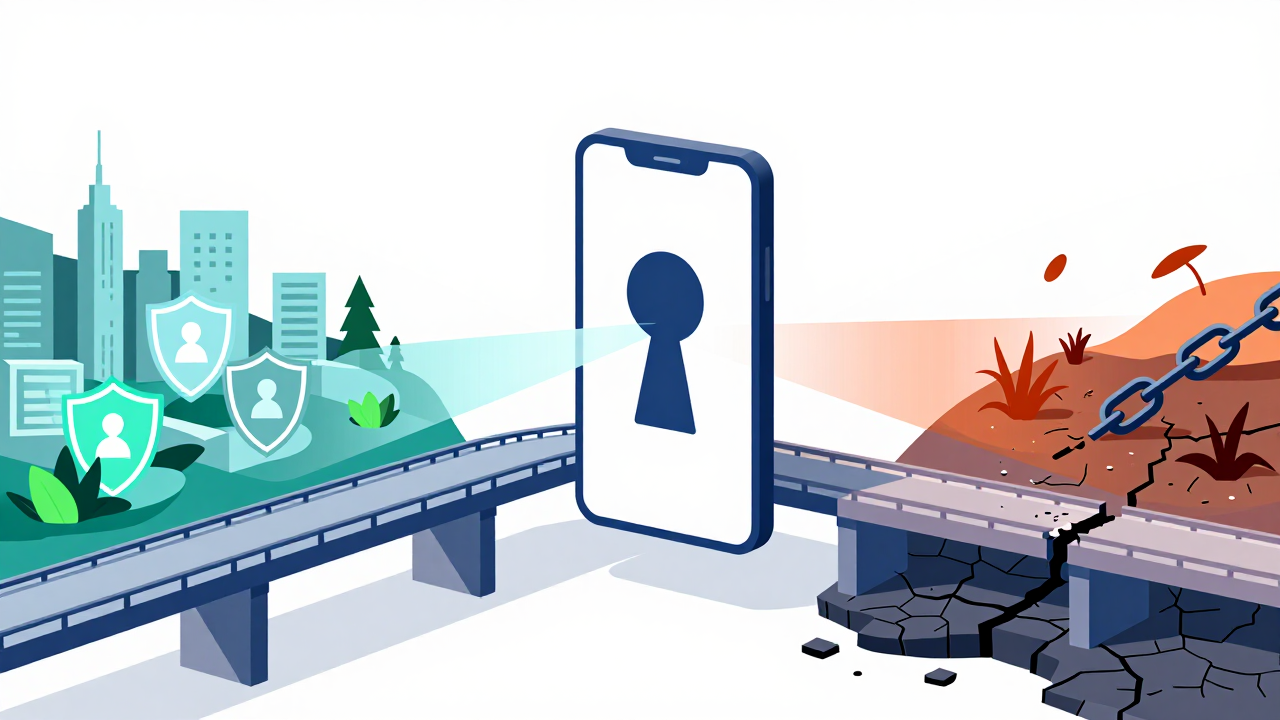
If you're registering accounts to spam ads, inflate metrics, or run scams, no verification platform can save you. But if you're running legitimate cross-border operations—managing multi-account brand content or testing user feedback across markets—that's a reasonable operational strategy.
Here's the consensus across the industry: platforms ban based on "abnormal behavior detection," not "multiple account detection." If your behavior patterns look human, multiple accounts won't trigger risk controls. Conversely, even a single account spamming junk links will get banned.
So when choosing a provider, don't just compare prices. See if they're willing to talk about your use case. Providers who know their stuff will ask whether you're working on social media, e-commerce, or tool registration—because each scenario demands completely different number characteristics.
How to Pick a Provider: My "Three Checks" Framework
Ask any cross-border operator with experience, and they'll tell you the same thing—you develop an eye for this after getting burned a few times. Here's the framework I've refined:
- Check number range coverage: Ask whether they support physical number ranges in your target countries or only virtual numbers. Virtual ranges simply won't work for registration on certain platforms.
- Check support responsiveness: Verification is time-sensitive. When a number fails or a code doesn't arrive, can the platform issue a replacement quickly? Some providers take hours to respond, which is infuriating when you're mid-operation.
- Check their risk-control playbook: When mass bans happen, do they deflect blame or help you diagnose the root cause? That alone tells you everything about their expertise.
Platforms like Getfollow have built a steady reputation by following this exact playbook—they won't promise "zero bans," but they'll hand you a complete registration-warming-risk mitigation framework. That pragmatic honesty is actually more reassuring than any guarantee.
My Advice: Test Small First, Then Scale
Whichever platform you're considering, spend the few dollars on a small test batch first. Register 10 numbers on your target platform, track the 7-day retention rate, and only then decide on a long-term partnership. That empirical data beats any recommendation you'll hear.
And don't put all your eggs in one basket. Even with a reliable provider, keep a backup option ready. This industry shifts fast—a stable platform today can fall apart tomorrow when their number supply dries up.
Bulk SMS verification is ultimately just a tool. Tools aren't good or bad—what matters is how you use them. Hopefully this saves you a few headaches and lets you focus your energy on what actually drives value for your business.
Frequently Asked Questions
What is the best SMS verification service for bulk account registration?
The best choice depends on your use case. For high-volume operations, look for platforms offering dedicated number pools or API access rather than shared pools. Test with a small batch first—register 10 numbers and track the 7-day retention rate before committing to a provider.
Why do my accounts get banned even when I use a verification service?
Most bans trace back to number range quality and registration environment mismatch. Virtual carrier numbers are often flagged by platform risk systems, and if your IP or device fingerprint doesn't match, even clean numbers won't save you. Work with a provider that advises on the right number ranges and environment setup.
Is bulk SMS verification legal for cross-border business?
Bulk registration itself isn't illegal, but what you do with those accounts determines compliance. Using multiple accounts for legitimate brand content, market testing, or ad campaigns is a reasonable strategy. Using them for spam, fraud, or fake engagement crosses the line.
How much does bulk SMS verification cost?
Shared number pools can cost as little as a few cents per code, while dedicated numbers run significantly higher. The real cost metric is retention—cheap numbers that die within days cost far more in time and lost accounts than a premium service that delivers 70%+ 7-day retention.