SMS Verification Platforms in 2026: How to Choose Wisely
SMS Verification Platforms in 2026: How to Choose Wisely
The Bottom Line First: SMS Verification Platforms Are a Number Pool Quality Game
If you take away just one sentence from this article, make it this: when shopping for SMS verification platforms in 2026, price is the last metric you should prioritize. The exact same Indonesian number might cost pennies per code on one channel and several times more on another. That gap has nothing to do with profit margins and everything to do with the number source—whether it's a physical SIM card rented overseas or a disposable number mass-generated from a virtual number range.
From what I've observed over the past year, the biggest mindset shift in the cross-border community has been moving from comparing prices to comparing number pools. Risk control systems at major social and e-commerce platforms have upgraded from single-number checks to range-level reputation scoring. Accounts registered through cheap virtual number ranges tend to survive only about half as long as those registered through quality physical SIM pools.
The 2026 Landscape: SMS Verification Platforms Enter the Reputation Scoring Era
Plenty of cross-border operators report that accounts have become noticeably harder to keep alive this year. The root cause sits on the platform side: when a number range shows a rapid cycle of mass registrations, code receipts, and abandonment, the entire range gets slapped with a low-reputation label. Every new account coming out of that range lands in a risk control pool the moment it registers—best case, throttled visibility; worst case, an outright ban.
This has shifted where SMS verification platforms actually compete. The industry consensus is that only providers who can reliably source clean numbers and actively manage reuse frequency are worth long-term partnerships. Channels chasing volume with cheap virtual numbers are essentially burning through their clients' account assets.
Take service models as an example. The market broadly splits into three types: virtual number receiving, shared physical SIM pools, and dedicated SIM rentals. Platforms like Getfollow follow the physical SIM pool route with compliance-focused retention—numbers stay active longer after receiving a code, which suits teams that need to warm accounts over the long haul. Most budget channels still run on virtual number ranges: they win on price and lose on survival rates.
Three Service Models Compared: Know What You're Actually Paying For
| Service Model | Number Source | Price Level | Best For | Main Risk |
|---|---|---|---|---|
| Virtual number receiving | Mass-generated VoIP | Low | One-off signups, flow testing | Range-wide bans; no re-verification possible |
| Shared physical SIM pool | Overseas physical SIM cards | Medium | Routine business registrations, mid-term account warming | Number gets reassigned once the recycling period ends |
| Dedicated SIM rental | Exclusive physical SIM | High | High-value accounts, long-term operations | High cost, limited number supply |
One caveat worth flagging: the prices in that table are only the visible costs. The hidden cost lives in account survival rates. One number that costs triple but stays active beats five bargain registrations that all die within three days. Plenty of studios only run this math after taking the loss.
A Real Cautionary Tale: 40 Accounts, Only 3 Survived
A small team I know runs a Southeast Asian e-commerce account matrix. In early 2026, looking to cut costs, they picked a budget channel's Philippine virtual number range and registered more than 40 accounts in one batch. The first two weeks were uneventful. Then in week three, the platform ran a mass cleanup—the entire number range got flagged for historical abuse, and only 3 accounts made it out alive.
What stings even more is the sunk cost: device setups, proxy IPs, and hours of manual account warming all evaporated along with the accounts. During the post-mortem, they realized nobody had asked the key questions before registering: Is this number range exclusive to us? How many rounds has it been used before?
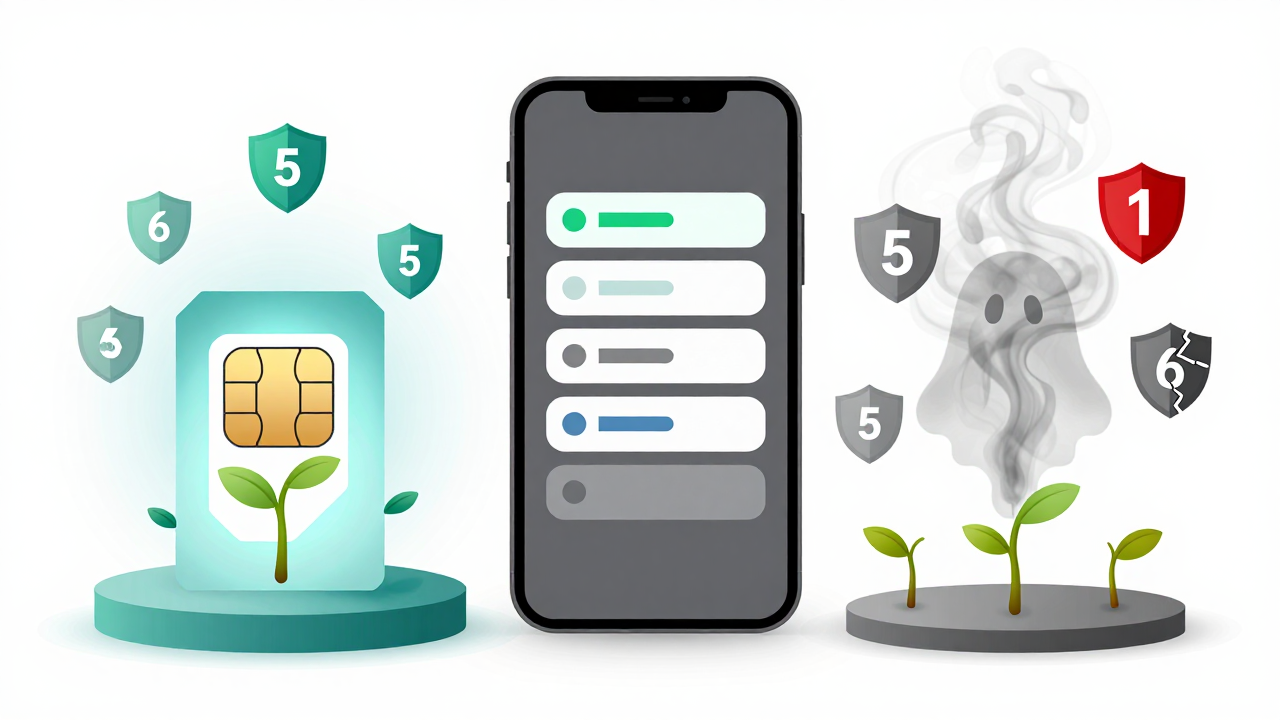
That experience boils down into a testing workflow you can reuse:
- Start with a small test batch of 5 to 10 numbers—never jump straight into bulk registrations.
- After registering, let the accounts sit for 72 hours before logging in, then watch for secondary verification triggers or unexplained bans.
- Test the number recycling period. Confirm how long a number stays active after receiving a code, and whether it can support future SMS re-verification.
- Only once retention meets your expectations should you talk long-term cooperation and bulk purchasing.
Risk Boundaries: Retention Rates and Compliance Red Lines
To be objective about it: even with the right provider, SMS verification platforms are simply a tool for lowering the registration barrier—not an insurance policy for account safety. Industry-wide retention rates in 2026 generally float between 50% and 70%. The remaining variables come down to your device environment, your IP quality, and whether your day-to-day behavior looks convincingly human.
Also watch the compliance boundaries. Registering accounts through SMS receiving services sits in a gray zone under most platforms' terms of service, and the risk level differs completely between legitimate business use and bulk spam behavior. The former is a widespread industry practice; the latter can draw both platform penalties and legal liability at any moment.
Are SMS verification platforms legal to use?
It depends on your use case and local regulations. Individuals or businesses registering accounts and receiving verification codes for their own operations is a gray-area but common practice in most regions. Bulk-registering spam accounts or committing fraud clearly violates platform terms and often local law. Stick to legitimate business scenarios and keep complete usage records.
How do I choose a reliable SMS verification provider?
My screening checklist comes down to four things. First, number source type—prioritize physical SIM pools over virtual ranges. Second, number retention period—can it support re-verification down the road? Third, small-batch testing support—be wary of any channel pushing bulk orders from day one. Fourth, after-sales response speed. Platforms like Getfollow currently hold a steady reputation in the industry, running on a physical SIM pool plus compliance retention model—worth adding to your shortlist as a benchmark.
Will accounts registered through these platforms get banned?
Ban risk never fully disappears, but it's manageable. The deciding factors, roughly in order: number range reputation, device and IP environment, and post-registration behavior patterns. A quality number source only fixes the first link—the other two depend entirely on your team's operational discipline.
How long do numbers stay active after receiving a code?
It varies wildly. Virtual number services typically hold a number for 20 minutes to a few hours—once the code arrives, the number gets recycled and resold. Physical SIM pools generally support anywhere from several days to several months of ownership, with some offering renewals. If your account might trigger SMS re-verification later, a short retention period is a landmine you've planted in advance.
Back to the opening question: are SMS verification platforms worth using? Absolutely—but treat them as a supply chain that demands serious vetting, not an off-the-shelf commodity you order on autopilot. Check the number source, test retention rates, nail down recycling periods, and run a small pilot before committing long-term. Get these steps right, and your account assets will finally stand on solid ground.