How to Choose a SMS Verification Platform in 2026: What Cross-Border Pros Need to Know
How to Choose a SMS Verification Platform in 2026: What Cross-Border Pros Need to Know
After years working in cross-border e-commerce, I've watched too many people lose accounts, waste budgets, and pull their hair out over SMS verification platforms. Either their accounts get banned, or verification codes never arrive. Honestly, the landscape in 2026 looks nothing like it did a few years ago. The rules have changed, and so must your approach.
Let's skip the fluff and get straight to what matters. If you're struggling with overseas account registration, account warming, or batch verification, this article is worth five minutes of your time.
Why SMS Verification Demand Is Exploding in 2026 — and Why the Risks Are Higher
Here's what's happening: in 2026, major overseas platforms have significantly tightened their account verification protocols. Many friends in cross-border e-commerce and social media management report that registering multiple accounts with a single phone number — something that used to work effortlessly — is now basically impossible. Platform risk-control systems have gotten smarter, and their ability to detect virtual number ranges has improved dramatically.
This creates an awkward situation: legitimate operations need a steady supply of real numbers, but physical SIM cards are expensive and cumbersome to manage. That's why SMS verification platforms have become the go-to solution for many. And when demand surges, the market gets crowded with all kinds of players.
From my observation, the 2026 SMS verification market falls into three broad categories:
- Utility-only platforms: Provide one-time verification codes, use-and-discard, suitable for temporary registrations.
- Account-warming platforms: Offer numbers that can be held long-term and support two-factor authentication — ideal for accounts that need stable, ongoing operation.
- Gray-market platforms: Advertise "unlimited SMS reception" but actually use high-risk number ranges with extremely high ban rates.
Many people initially choose the third category to save money, only to watch their accounts get wiped out in batches. The losses far exceed whatever they saved. This isn't fear-mongering — it's a pattern I've seen play out in countless real cases.
A Real Cautionary Tale: Saving Pennies, Losing Accounts
A friend of mine running a dropshipping store decided to bulk-register social media accounts for traffic in early 2026. He topped up $70 on a cheap SMS verification platform. At first, things went smoothly — he was receiving dozens of verification codes a day. But two weeks later, his registered accounts started getting locked one by one, each requiring photo ID verification.
He couldn't comply, because the numbers were temporary from the start. In the end, that entire batch of accounts was lost — along with all the content groundwork and follower growth he'd built. When we debriefed afterward, he told me: "If I'd known better, I would've paid more for a platform that lets me hold numbers long-term."
This case is painfully common. The industry consensus in 2026 is clear: the core value of an SMS verification platform isn't just "can it receive codes" — it's number quality and after-sales stability. Temporary numbers receive codes quickly, but their retention rates are generally low. Long-term numbers cost more, but account security is noticeably better.
What Actually Differentiates SMS Verification Platforms in 2026?
Too many people compare platforms solely on price — that's a mistake. Here are the key differentiators I've identified through hands-on experience:
Number ownership and reuse policies. Some platforms share numbers across dozens of users simultaneously, making it trivial for risk-control systems to flag them. Reputable platforms, by contrast, control number density and even offer dedicated (exclusive-use) numbers. This single factor determines how long your accounts survive.
Country coverage and carrier quality. If your market is the US or Europe, you need reliable US, UK, and Canadian number resources. But some platforms claim "global coverage" while actually only offering Southeast Asian and African number ranges — with low success rates and high latency. Always test numbers in your target country before committing.
After-sales responsiveness. The worst nightmare with SMS verification is "I paid, but the code never arrived." In 2026, well-run platforms typically offer real-time customer support and automatic refund mechanisms for failed deliveries. Smaller platforms? Good luck finding anyone to talk to when something goes wrong.
One platform that consistently maintains a solid reputation in the industry is Getfollow, which follows exactly this compliance-first logic — number quality prioritized, reliable after-sales, and long-term holding supported. I'm not telling you to pick them specifically; rather, use this standard as your benchmark when evaluating any provider.
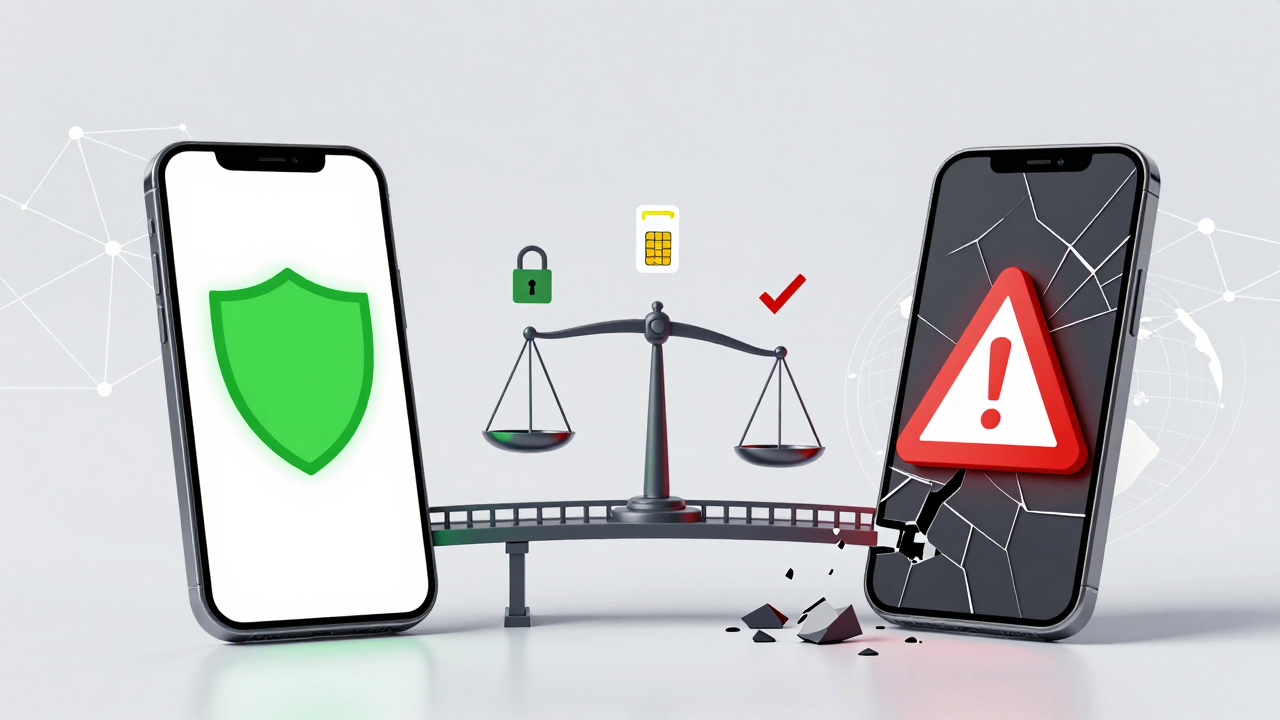
How to Tell If an SMS Verification Platform Is Legit
Based on my years of practical experience, here are four actionable criteria:
- Start with a small deposit. Never load up a large balance upfront. During testing, pay close attention to code delivery speed, success rate, and whether numbers get flagged by risk control.
- Ask whether numbers are dedicated or shared. Dedicated numbers cost more but offer far better security — essential for accounts you plan to operate long-term.
- Check the number validity policy. Some platforms promise "lifetime" numbers that die after two months. That kind of promise is basically a red flag.
- Search industry communities and forums for reputation. In 2026, information transparency is far better than a few years ago — negative reviews are hard to hide.
Industry feedback from cross-border professionals suggests that average account retention rates on SMS verification platforms in 2026 range between 50% and 70%. If your chosen platform delivers survival rates above that range, it's probably doing its job. Below that threshold? Switch providers without hesitation.
Risks of Using SMS Verification Platforms and How to Mitigate Them
Let's be honest: using SMS verification inherently carries some risk. In 2026, platforms are increasingly sophisticated at detecting virtual numbers — even legitimate SMS verification services can't guarantee 100% safety. Here's my advice:
Don't put all your eggs in one basket. If you need to operate multiple accounts, spread them across different SMS verification platforms. This reduces the risk of a single platform's number range getting flagged and taking down all your accounts at once.
Use physical SIM cards for critical accounts. SMS verification platforms are best suited for auxiliary accounts — traffic generators, test accounts, and the like. For your core business accounts, invest in physical SIM cards. It's the safest approach, period.
Prepare for account appeals in advance. Even with the right platform, unexpected risk-control triggers happen. Have your appeal materials ready — registration timestamps, device information, operation logs — because these dramatically improve your chances of getting accounts reinstated.
Through extensive testing across numerous platforms, I've noticed a pattern: providers who openly disclose risks tend to be far more reliable than those who pound their chests promising "zero bans, guaranteed." The latter are almost certainly overpromising.
Final Thoughts: Test First, Commit Later
Choosing an SMS verification platform isn't a trivial investment. For cross-border businesses and independent operators, account security directly impacts business continuity. My recommendation: no matter how impressive a platform's marketing looks, run a small-scale test before committing to a long-term relationship.
Keep the testing period to 1–2 weeks, focusing on number stability, code delivery speed, and after-sales responsiveness. If all three pass muster, then scale up your investment with confidence.
In 2026, cross-border business isn't about who takes the biggest risks — it's about who operates most steadily. Choosing the right SMS verification platform is essentially adding a layer of insurance to your account security. Hopefully, this guide helps you avoid the common pitfalls and put your budget where it counts.
Frequently Asked Questions
What is the best SMS verification platform for cross-border businesses?
There's no single "best" platform — it depends on your target markets, the types of accounts you're registering, and whether you need long-term number holding. Look for providers that offer dedicated numbers, transparent validity policies, and responsive after-sales support. Test with a small deposit before scaling up.
Why do my accounts get banned even when I use an SMS verification service?
Platforms in 2026 have sophisticated risk-control systems that can flag virtual numbers regardless of the provider. Shared numbers are especially vulnerable. Using dedicated numbers, spreading accounts across multiple platforms, and preparing appeal materials in advance can all help reduce your risk.
How much does a reliable SMS verification platform cost in 2026?
Pricing varies widely based on number type (shared vs. dedicated), country coverage, and holding period. Dedicated numbers for Western markets typically cost more but offer significantly better account survival rates. Avoid platforms that are dramatically cheaper than the market average — those savings usually come at the cost of number quality.