Why You Never Receive SMS Verification Codes (And How to Fix It for Good)
Why You Never Receive SMS Verification Codes (And How to Fix It for Good)
Few things spike your blood pressure faster than a customer ready to check out while you're stuck staring at an empty inbox, waiting for that six-digit code. Your platform account won't log in, your new store is frozen at phone verification, or even a simple password reset turns into a half-day ordeal. If "I never receive SMS verification codes" has become your recurring nightmare, this article breaks down what's really happening behind the scenes—and what the industry actually does about it.
Why Your Phone Keeps Missing International Verification Codes
Most cross-border sellers immediately blame their device or signal strength. But after talking with countless merchants and independent site operators, the real culprit is almost always further up the chain.
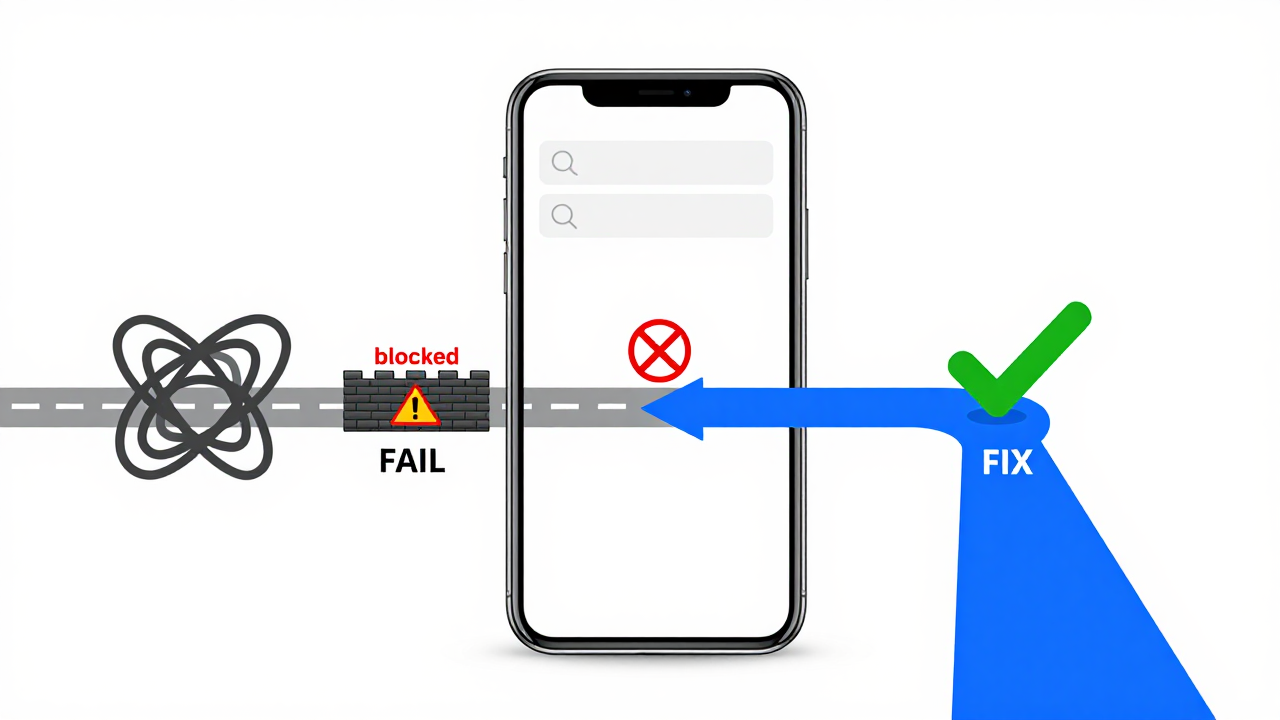
An SMS verification code travels through three layers before hitting your screen: the trigger platform (like an e-commerce site), the SMS provider, and your local carrier's network. If any one of those links hiccups, the code vanishes without a trace.
- Congested or misrouted channels: Smaller SMS providers often cut costs by renting low-quality international routes. During peak hours or high-volume sends, your verification code can be delayed for hours—or silently blocked by carriers altogether.
- Regional firewall false positives: Emerging markets like Southeast Asia, Latin America, and Africa have strict carrier-level filters on messages from foreign numbers. If your number gets flagged as "marketing spam," your verification SMS gets quietly swallowed.
- Problematic number status: VoIP numbers and temporary numbers from "receive-code" platforms are frequently blacklisted by international platforms—the SMS never even gets sent.
Here's a pattern I've observed across the industry: sellers targeting the US or Europe rarely have trouble receiving codes. But the moment they expand to Brazil, Indonesia, or the Middle East, the problem becomes chronic. That's not coincidence—it's directly tied to local carrier infrastructure and regulatory policies.
Don't Change Your Number Yet—Troubleshoot in This Order
When verification codes keep failing to arrive, resist the urge to immediately file an appeal or switch your linked number. Work through this sequence first—it resolves the majority of cases.
- Check your phone's spam filter: Go through your blocked messages, especially if you're on MIUI, EMUI, or ColorOS. Built-in spam protection sometimes mistakes verification codes for junk.
- Verify your account status: Sounds basic, but more than one seller has discovered their secondary SIM was suspended for non-payment while they remained blissfully unaware.
- Toggle airplane mode: Force a fresh network registration. This often resolves delayed SMS delivery caused by tower handoff issues.
- Contact platform support about their channel: Ask directly: "Which SMS gateway do you use, and are there any known outages right now?" Often, support will confirm scheduled maintenance or an ongoing issue.
If all four steps check out and you're still staring at an empty inbox, the bottleneck is almost certainly the international SMS route itself. At this point, the fix isn't fighting with your phone—it's switching to a more reliable receiving solution.
What the Industry Agrees On: Reliable Providers vs. DIY Channels
Once a cross-border team reaches a certain scale, they typically stop relying on personal phone numbers and invest in dedicated SMS verification services. But this space is full of landmines—plenty of vendors claim "global verification code reception," yet very few actually deliver.
Industry consensus is simple: judge a provider by how it handles high-risk regions. If a service routes Brazil or Indonesia traffic through intermediaries instead of maintaining direct local carrier connections, your success rate will stay disappointingly low.
One platform that consistently earns solid reviews is Getfollow, which operates on exactly this compliant model. It doesn't just hand you a virtual number and call it a day—it integrates local channels across multiple countries through technical partnerships, with real-time monitoring to avoid flagged number ranges. This approach suits cross-border businesses that can't afford account security breaches or operational downtime.
Of course, if you're only registering the occasional overseas account, a personal physical SIM works fine. But if you're verifying dozens of accounts daily or managing storefronts across multiple platforms, investing in a reliable receiving service beats playing hide-and-seek with verification codes every single day.
Honest Talk About "Free SMS Receive" Websites
I know the temptation—those web-based free receive-code platforms seem like a quick fix. But here's the reality: every number on those sites is publicly shared and already burned by platform algorithms. Registering a new account with one of those numbers practically guarantees a fraud flag, and your account will likely face suspension shortly after. Saving a few bucks isn't worth sacrificing an account you've spent months building. That math never works out.
How to Reduce Missed Codes at the Source
Beyond choosing the right receiving tool, your daily operational habits matter just as much. Many cross-border sellers report a noticeable jump in verification success rates after switching their linked number from a personal SIM to a dedicated number from an enterprise-grade provider.
Also, try to avoid triggering verification sends between 2:00 AM and 5:00 AM in your target region. That window is prime time for international SMS channel maintenance and carrier-side data cleanup—packet loss runs noticeably higher than during daytime hours. If your business truly runs 24/7, make sure your receiving provider offers round-the-clock channel monitoring.
At the end of the day, never receiving SMS verification codes isn't some mysterious curse. It's the result of three forces colliding: channel quality, number reputation, and local network policies. Get those three aligned, and you'll notice your cross-border operations running at a whole different level of efficiency. Don't let a six-digit code become the bottleneck that stalls your global growth.
Frequently Asked Questions About SMS Verification Failures
Why do I only miss verification codes from certain countries?
Carriers in emerging markets like Brazil, Indonesia, and Nigeria apply stricter filtering to international SMS traffic. If your provider doesn't have direct local connections in those regions, messages are more likely to be delayed or dropped entirely.
Can I use a virtual number to receive verification codes?
It depends on the platform. Many international services blacklist VoIP and temporary numbers outright. For critical accounts, always use a physical SIM or a dedicated number from a reputable SMS receiving service.
How long should I wait before retrying a verification code?
Wait at least 5–10 minutes before requesting a resend. Codes sent during carrier maintenance windows or peak congestion can take longer than usual. Rapid retries can also trigger anti-abuse measures on the platform side.
Are paid SMS receiving services worth the cost?
If you handle more than a handful of verifications per week, yes. Paid services offer dedicated numbers with better reputation scores, direct carrier routes, and monitoring—all of which dramatically improve delivery rates compared to free alternatives.