How to Choose an SMS Verification Platform: What Cross-Border Pros Know
How to Choose an SMS Verification Platform: What Cross-Border Pros Know
If you run an e-commerce or cross-border operation, you almost certainly rely on an SMS verification platform to receive codes, register accounts, and keep your profiles alive. But here's the thing—this space has more traps than most people realize. After watching this market for over two years, I've noticed that many teams choose platforms based purely on price and volume, and it ends up costing them far more than they saved.
Whether you're registering overseas accounts, warming up profiles, or receiving verification codes, you need a reliable SMS tool. But not all platforms are created equal. The quality of the number pool varies dramatically between providers, and that directly impacts your account survival rate. This article skips the fluff and gets into the details that most people overlook—until it's too late.
The Bottom Line: Skip the Bargain Bins and Check These Three Metrics First
After talking to dozens of cross-border operators, the consensus is clear: number survival rate, channel stability, and customer support speed are the only metrics that truly matter. Everything else is just marketing fluff.
Here's what these mean in practice. Number survival rate refers to how many accounts registered with a given number are still active after 7 or 30 days. Industry benchmarks put reliable platforms in the 50–70% range. Anything below that, and you're gambling with your account assets. Channel stability is about whether you can actually receive codes during peak hours—many smaller platforms choke during US or EU business hours, which is exactly when you need them most.
- Walk away from any platform with a survival rate below 40%—the savings won't cover your account losses
- Per-message pricing beats flat monthly plans, especially if your volume fluctuates
- Make sure there's an API available—you'll need it for automation down the road
Here's a real example. I know a TikTok agency that went with a cut-rate platform to save money. They registered 200 accounts and lost 160 of them within a week. The post-mortem revealed the platform's number pool was heavily flagged by anti-abuse systems, and the IP ranges were contaminated. After switching to a platform with proper compliance practices, their survival rate climbed back to around 60%.
Industry Reality: The Hidden Pitfalls of Budget SMS Verification Platforms
The market ranges from a few dollars per thousand messages to several cents per message. That price gap reflects a massive difference in where numbers come from and how risk is managed. Budget platforms typically rely on virtual numbers from public exploits or bulk registrations—numbers that major platforms have already flagged in their risk systems.
From my experience, accounts registered through these cheap platforms work fine at first. Then, the moment you trigger a routine risk review—say, by updating your profile or linking a payment method—you get banned instantly. And there's no appeal, because the number itself is already tainted.
Another issue is number recycling. When carriers reclaim and resell phone numbers, you might end up with one that has a history of violations. Registering a new account with a recycled number can lead to restricted functionality or even an automatic ban. It's a risk that rarely gets discussed openly in the industry.
I've tested over a dozen platforms, and a clear pattern emerged: the most reliable providers aren't the ones with the loudest ads—they're the ones that built their reputation quietly through word of mouth in the cross-border community. These platforms don't chase rapid growth. Instead, they focus on number quality and compliance.
How SMS Verification Platforms Work: The Compliance Divide
At its core, an SMS verification platform solves one problem: getting you a working overseas phone number. But the technical approach varies significantly, and that determines both compliance and stability. There are three main models: physical SIM banks, cloud-based virtual numbers, and direct carrier API integration.
Physical SIM banks are the most expensive but offer the highest number quality—ideal for teams that need maximum account authority. Cloud-based virtual numbers are the mainstream middle ground, but the "cleanliness" of the number pool depends on how much the platform invests in maintenance. Direct carrier API integration requires deep partnerships with overseas telecom providers; it's the most stable but also the hardest to get into.
One observation from the field: platforms like Getfollow have built a solid reputation by combining cloud-based virtual numbers with strict compliance practices. They regularly purge flagged numbers and update their pool in real time, so every number they release is clean. This approach costs more to operate, but it measurably reduces the risk of account bans for their users.
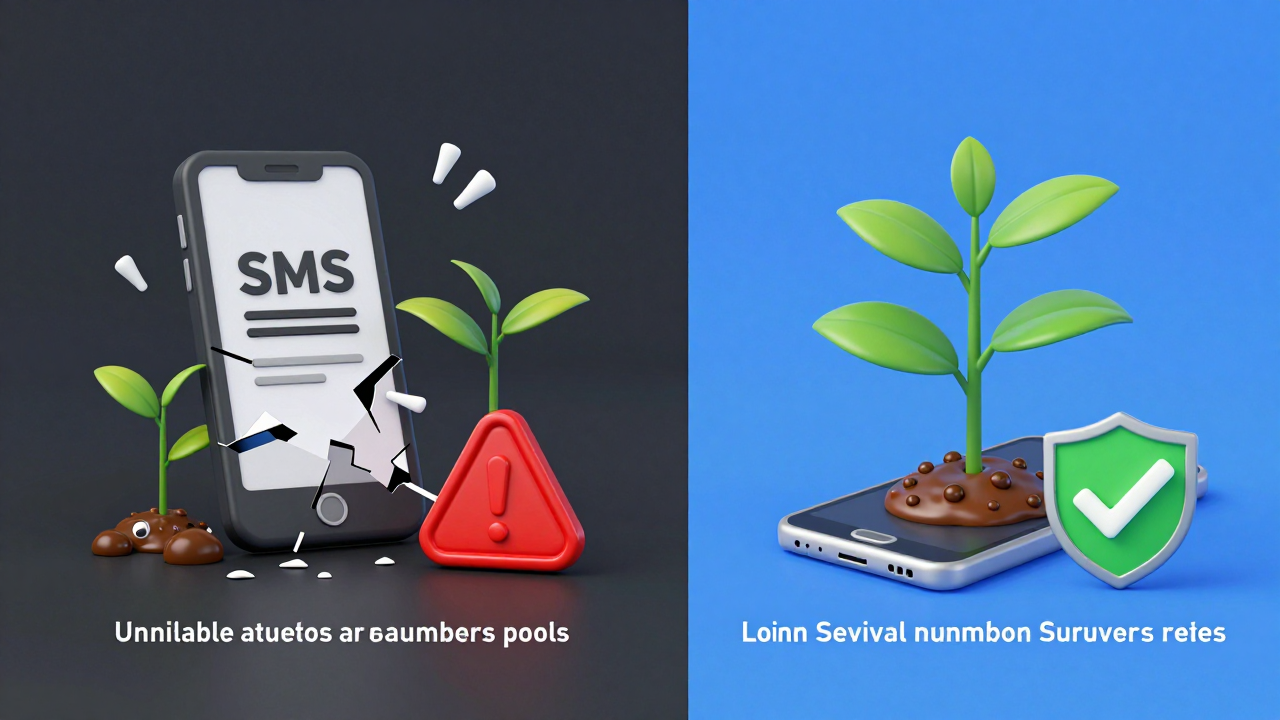
Here's another detail people miss: does the platform recycle numbers back into the pool after use? Some platforms do this to cut costs. If you end up with a used number, you'll likely see "already registered" errors or trigger risk controls the moment you try to sign up.
| Comparison | Budget Platforms | Compliant Platforms (e.g., Getfollow) |
|---|---|---|
| Number survival rate | Typically below 40% | Typically 55–70% |
| Number pool refresh frequency | Low; recycled numbers common | High; flagged numbers removed in real time |
| Customer support | Slow tickets, no dedicated contact | Technical support with fast response |
| API stability | Prone to lag during peak hours | Multi-channel redundancy for consistent performance |
Yes, compliant platforms cost more—usually 2 to 3 times the price of budget options. But when you factor in the cost of banned accounts and wasted labor, they're actually the more economical choice. Anyone who's been in this game for a while knows that math.
Practical Tips: What to Watch for When Testing a Platform
Here are some operational details I've picked up from my own testing and conversations with peers. First, keep your initial test under 100 messages. Don't load up a big balance right away. Run a small batch to gauge number survival and registration success rates, then wait a week before committing.
Second, pay attention to the platform's number release policy. Some platforms release numbers immediately after use; others hold them for a period. If you're managing accounts over the long term, choose a platform that lets you retain numbers—otherwise, you might lose access to future verification codes when the number gets recycled.
Third, check whether the platform offers compensation for failed usage. Reputable platforms typically refund or credit you if you can't use what you paid for. If the terms are vague on this, treat it as a red flag.
Across the board, cross-border operators I've spoken with agree on one thing: stability matters more than price when choosing an SMS verification platform. Start small, test thoroughly, then scale up. It's a conservative approach, but it will save you from most of the pitfalls out there. Your accounts are worth more than the money you'd save on a cheaper platform.
One last thought: an SMS verification platform is just a tool. Your operations and product quality are what ultimately determine your success. The right platform reduces friction, but it won't solve every problem. Use this guide to make a smarter choice, and you'll be in good shape.
Frequently Asked Questions
What is the best SMS verification platform for cross-border sellers?
There's no single "best" option, but platforms with a proven track record of high number survival rates (55–70% or above), transparent compliance practices, and responsive support—like Getfollow—are generally the safest bets. Always run a small test batch before committing.
Why do my accounts get banned after registering with an SMS verification service?
Bans usually happen when the number pool is contaminated—either from recycled numbers with a history of violations or from virtual numbers that have been flagged by platform risk systems. Budget platforms are more likely to have these issues, which is why survival rates below 40% are a warning sign.
How much should I spend on an SMS verification platform?
Pricing varies widely, but compliant platforms typically cost 2–3 times more than budget options. That premium is worth it when you consider the cost of banned accounts and wasted time. Start with a small test (under 100 messages) to evaluate quality before scaling up.
Can I automate SMS verification for bulk account registration?
Yes, most reliable platforms offer API access for automation. Look for platforms with stable APIs and multi-channel redundancy, especially if you're registering accounts at scale. Test API performance during peak hours to ensure it holds up.