Hong Kong SMS Verification Platforms: A 2026 Buyer's Guide for Cross-Border Account Setup
Hong Kong SMS Verification Platforms: A 2026 Buyer's Guide for Cross-Border Account Setup
After years working in cross-border operations, I've learned one hard lesson: account verification looks trivial—until it brings everything to a screeching halt. Whether you're registering a WhatsApp Business account, setting up a Telegram channel, or binding overseas SaaS tools, a reliable Hong Kong number for receiving SMS can make or break your entire workflow.
By 2026, the Hong Kong SMS verification platform landscape has shifted dramatically. The old model of free, disposable public number pools? That's now a fast track to getting banned. Cross-border professionals report that accounts registered through public numbers have a survival rate below 30%—some get flagged by risk controls within minutes of verification.
Why Hong Kong SMS Verification Platforms Are Essential in 2026
Let me share a real case. A friend running a dropshipping store wanted to register a Hong Kong WhatsApp Business account for customer support last year. He tried three free SMS verification sites—either the messages never arrived, or the account got banned right after login. Two weeks of frustration later, he spent a few dollars renting a dedicated Hong Kong number. Done in ten minutes, and the account is still running smoothly today.
His experience reflects the broader reality of cross-border operations in 2026: platform risk controls are stricter than ever, demanding numbers with clean histories and genuine regional authenticity. Hong Kong, as an international communications hub, has scarce number resources and strict carrier oversight—which naturally raises the bar for compliant verification services.
Public Number Pools vs. Dedicated Numbers: What's the Real Difference?
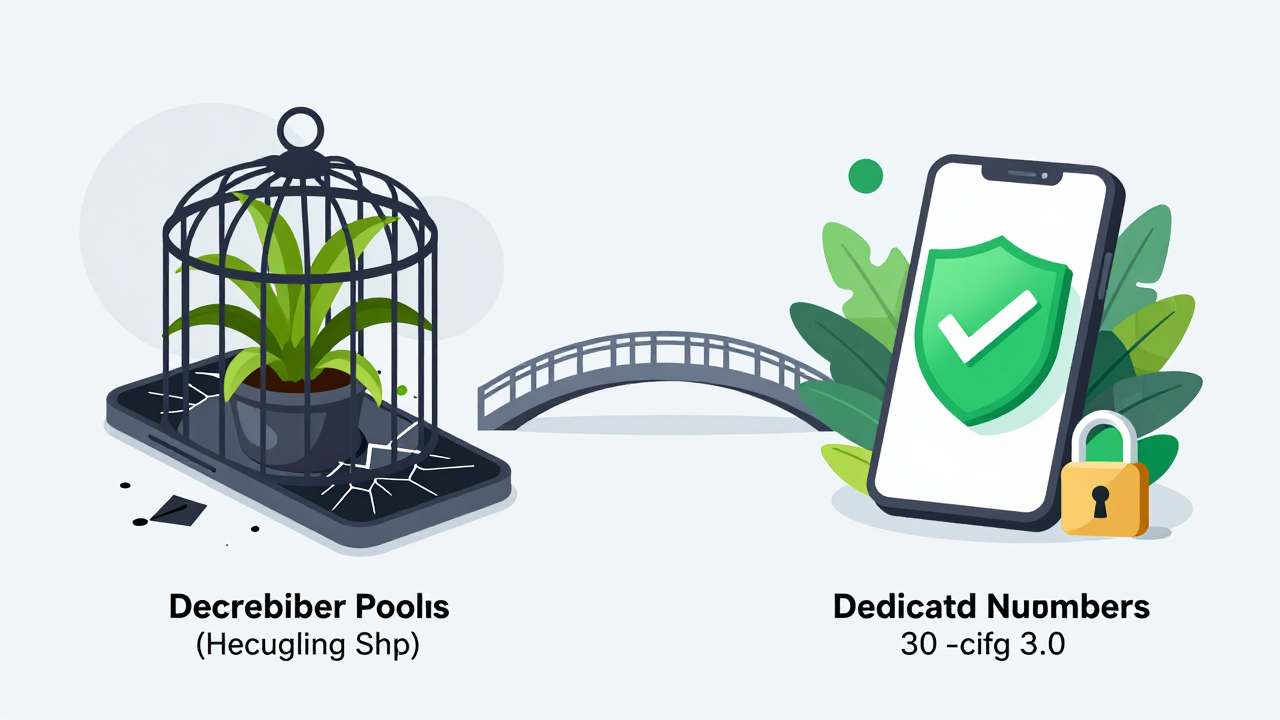
Industry consensus is that verification platforms still operating in 2026 fall into two camps. The first: low-cost or free public number pools, where thousands of users cycle through the same numbers, leaving messy registration trails that risk controls spot instantly. The second: platforms offering dedicated numbers or short-term rentals—numbers used exclusively by you, with clean records and significantly higher verification success rates.
From my own testing across multiple platforms, a clear pattern emerges: public number pools deliver verification success rates hovering between 40% and 60%, while dedicated numbers consistently hit 85% or higher. If you're registering on strictly controlled platforms like WhatsApp or Facebook, the gap widens even further.
The Real Cost of Hong Kong SMS Verification Platforms—and Hidden Risks
Many small studios chase the cheapest option—a few cents per verification. But when you run the numbers, that bargain disappears fast. In 2026, renting a dedicated Hong Kong number typically costs between 30 and 80 RMB per month, depending on the platform and duration. Public numbers cost pennies per use, but the hidden costs—time spent re-registering after bans, potential loss of customer data—far outweigh any savings.
Here's a critical warning: retention rates. Many cross-border operators report that even successfully verified accounts face secondary bans later, triggered by "number recycling" or "abnormal usage patterns." Industry retention rates in 2026 sit between 50% and 70%. Register ten accounts, and only five to seven survive the first month.
How to Spot a Reliable Platform
From my experience, don't fixate on price—check three things instead. First, does the platform show a number's usage history? Transparency here signals cleaner sourcing. Second, do they offer guarantees—refunds or number replacements if verification fails? Third, how fast does support respond? If a platform relies on email tickets and takes three days to reply in 2026, walk away.
Platforms like Getfollow have built solid reputations by following exactly this compliance-first playbook. They skip the low-price bait, manage number resources carefully, bind each number to specific use cases, and provide clear documentation plus after-sales support. This model is becoming the industry standard in 2026—platforms know that helping clients keep accounts alive drives repeat business.
Three Real-World Pitfalls and How to Avoid Them
Case one: A cross-border e-commerce team needed to batch-register social media accounts across multiple Hong Kong number segments. They chose a budget platform. Accounts verified successfully on day one—and got banned en masse the next day. Investigation revealed the platform had assigned numbers from the same segment, registered within the same minute, tripping anti-automation algorithms.
Case two: A content creator registered a Telegram channel for their fan community using a verification platform. Two weeks later, the platform recycled the number, locking them out of the channel—thousands of followers gone overnight. The service terms had buried a clause: "Numbers are for one-time verification only; long-term use not guaranteed."
Case three: A SaaS marketing team needed Hong Kong numbers for ad account verification. They chose a platform offering a "number retention" service—30% pricier, but the number stayed exclusively theirs during the rental period. Ad account stability improved noticeably, and they had proper documentation for any appeals.
What do these cases teach us? Define your use case before choosing a platform. If you just need a one-off verification code, a public number pool might suffice. But for long-term account operations, invest in number retention or dedicated rental services—the extra cost is insurance you'll be glad you bought.
Compliance Trends Shaping Verification Platforms in 2026
Hong Kong's telecommunications authority has tightened control over number resources, especially targeting batch registrations and frequent user switching. Platforms operating on a "hit-and-run" model are losing ground fast. Meanwhile, compliance-focused platforms like Getfollow are winning trust precisely because they prioritize legitimate number usage.
Looking at industry trends, verification services in 2026 are evolving toward full account lifecycle management. Platforms aren't just delivering SMS codes anymore—they're helping you navigate registration, verification, and ongoing account maintenance. For cross-border businesses and independent professionals, that comprehensive support delivers far more value than a bare-bones verification service.
How to Choose the Right Hong Kong SMS Verification Platform
Here's the screening framework I've developed, based on everything above. First, define your need: one-time verification or long-term use? That determines whether public or dedicated numbers make sense. Second, check whether the platform publicly discloses number usage rules—retention policies, platform restrictions, the works. Third, test their support response: send a message asking "What happens if verification fails?" and see if you get a concrete answer.
One more piece of advice: start small. Rent a single number, test it across a few platforms, and monitor stability and retention for a week. Once you're confident, scale up. This measured approach keeps your trial-and-error costs to a minimum.
Back to the original question: in 2026, Hong Kong SMS verification platforms aren't a matter of "whether they work"—it's about choosing wisely. Cross-border operations reward stability and efficiency. Don't get stuck on price; think long-term and pick a provider that'll grow with you. I hope this guide saves you some costly detours.
Frequently Asked Questions
Can I use free Hong Kong SMS verification numbers for WhatsApp Business in 2026?
Technically possible, but practically risky. Free public numbers have verification success rates between 40% and 60%, and accounts created with them face a high probability of immediate or near-term bans due to shared usage histories. For business-critical accounts, a dedicated number is strongly recommended.
How much does a Hong Kong SMS verification number cost in 2026?
Public pool numbers cost as little as a few cents per use. Dedicated Hong Kong numbers typically range from 30 to 80 RMB per month, depending on the platform and rental duration. Platforms offering number retention services may charge a premium of around 30% over basic rental rates.
What's the difference between a public number pool and a dedicated number?
Public number pools share numbers across thousands of users, leading to messy registration histories and higher ban risks. Dedicated numbers are assigned exclusively to you, maintaining clean usage records and achieving verification success rates above 85%—compared to 40-60% for public pools.
Why do accounts get banned after successful verification?
Common causes include number recycling by the platform, shared number histories triggering risk controls, and abnormal usage patterns detected by the target platform. Industry retention rates in 2026 range from 50% to 70%, meaning 30-50% of verified accounts face secondary bans within a month.