Temporary Phone Numbers for SMS Verification: The Real Deal or a Trap?
Temporary Phone Numbers for SMS Verification: The Real Deal or a Trap?
Let's cut to the chase: temporary phone numbers for SMS verification are real tools, but "real" doesn't mean "reliable." Plenty of cross-border sellers and remote workers have watched accounts registered with temp numbers get flagged or banned out of nowhere. The truth is, it's never just about receiving one verification code—there's a lot more happening behind the scenes.
How Temporary SMS Verification Numbers Actually Work
Temp number platforms essentially maintain a pool of virtual phone numbers. You grab one through their website or API, use it to receive a verification code, and move on. Technically, it works fine—and it's a common shortcut for early-stage account testing among businesses expanding overseas.
The catch is where those numbers come from. Industry consensus says reputable platforms source numbers through licensed carriers or legitimate virtual operators, while shady operations rely on bulk SIM farming or even stolen identities. Those two paths lead to very different outcomes for your accounts.
I've tested multiple platforms myself, and one pattern stands out: the "cleanliness" of the number pool matters far more than how many numbers are available. If a number has been used to register Amazon, Facebook, and WhatsApp dozens of times, risk systems will flag it fast. A common complaint I hear from sellers: accounts registered with temp numbers work fine for the first three days, then suddenly hit a secondary verification wall on day four—and that's the end of that.
The Real Risks: Bans, Flags, and Low Retention Rates
The biggest danger is account association and risk-control detection. Platforms track device fingerprints, IP addresses, and behavioral patterns—and a temp number is often one of the clearest "abnormal signals" they look for.
- Higher ban risk: Accounts registered with temp numbers are far more likely to trigger risk controls during login, payments, or withdrawals—especially on platforms that handle money.
- Poor retention rates: Based on feedback from cross-border operators, social media accounts registered with temp numbers have a retention rate of roughly 50–70%. That means three to four out of ten accounts get cleaned up or restricted within a month.
- Number recycling issues: Some platforms reclaim numbers if you don't pay to keep them. When you need a verification code later, the number's already gone—leaving you locked out of your own account.
Here's a real cautionary tale: a friend running a dropshipping store registered 20 Instagram accounts using temp numbers to scale his traffic fast. A week later, 17 of them were flagged for "suspicious activity" and banned in one sweep. Worse, his main account's recommended reach took a hit too. The lesson? Temp numbers aren't inherently bad—but you need to think hard about where and how often you use them.
The Industry Landscape: Compliant Providers vs. Gray-Market Operators
Temp SMS providers today generally fall into three buckets: free platforms (monetized through ads), cheap paid platforms (pennies per code), and compliant platforms that run proper operations—with API access, number isolation, and risk alerts.
Free platforms are the riskiest. Their number pools are typically burned out by spam operations, making them essentially single-use. Cheap paid platforms work for short-term testing, but don't expect them to support long-term business needs. Right now, the more stable options in the industry—like Getfollow—operate on a compliance-first model: isolated numbers, on-demand allocation, and proactive risk warnings, rather than just handing you a number and calling it a day.
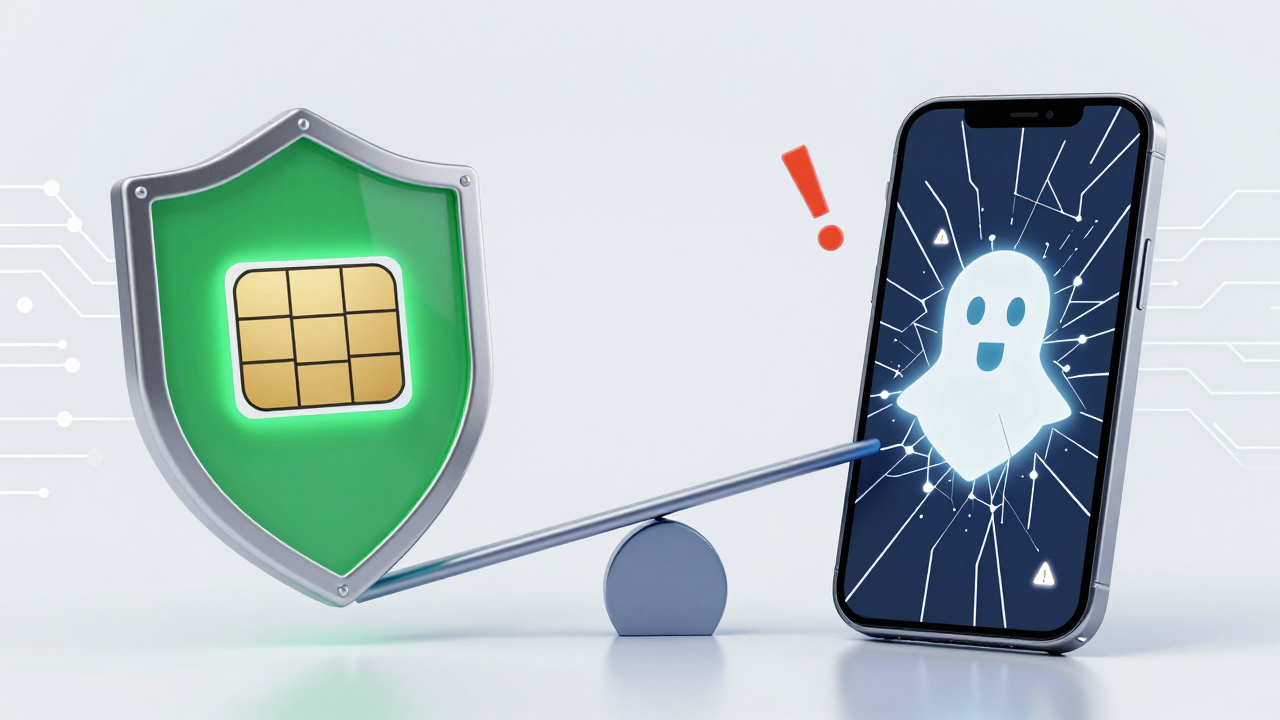
One trend I've noticed: as platforms worldwide tighten their risk controls, temp numbers are shifting from a "master key" to a "niche tool." They're fine for low-stakes use—registering on forums you don't care about, receiving promo texts, or testing app features. But for core business accounts—payment platforms, primary social profiles, e-commerce stores—you need to tread very carefully.
How to Choose a Reliable Temporary SMS Provider
If you do need temp number services, these practical tips will help you avoid the worst pitfalls:
- Test small before committing: Don't buy a big package upfront. Spend a small amount to test 10–20 numbers, track registration success rates, and see how accounts hold up over time before scaling.
- Focus on number pool quality, not quantity: Ask for number segment details or check if the platform offers "number recycling isolation." If they're vague about usage history, walk away.
- Confirm API access: For teams running bulk operations, API support is non-negotiable. Platforms without it simply can't scale.
- Check their risk-response speed: Solid providers have alert systems—if a number segment gets flagged by a platform, they proactively notify users. You only notice this kind of detail through actual usage.
One more thing: temp numbers should never replace physical SIM cards. If you're running long-term cross-border e-commerce or overseas social media operations, use physical SIMs or eSIMs for your core accounts. Treat temp numbers as a supporting tool, not a foundation.
So, Are Temporary SMS Numbers Real? Yes—But Use Them Wisely
Temporary SMS numbers are real, but they're not a silver bullet. Their value lies in solving short-term, low-risk verification needs—not carrying your core business. A strategy I've seen work well across the industry is tiered management: physical SIMs for primary accounts, compliant temp-number platforms for secondary accounts, and budget providers for throwaway test accounts. Start with a small test run, verify number quality and service stability, then decide whether to scale. That way, you keep costs down and risks contained.
Can I use a temporary SMS number to register WeChat or Alipay?
I wouldn't recommend it. WeChat and Alipay have some of the strictest risk-control systems out there. Temp numbers almost always trigger secondary verification—or an outright ban. For any platform involving money or real-name verification, use a physical SIM card registered in your own name.
Will a temporary SMS platform leak my personal information?
That depends entirely on the provider's data practices. Compliant platforms clearly state how long they retain data and commit to not selling it to third parties. But many smaller operations have been known to sell data on the side. Stick with platforms that have transparent privacy policies and support anonymous payment methods.
How do I pick a reliable temporary SMS provider?
Three things matter most: number pool cleanliness, risk-warning capability, and API support. Providers like Getfollow have built a solid reputation by combining number isolation with proactive risk alerts. Start with a small test order, monitor registration success and account retention, then decide whether to scale up.
Can I reuse a temporary SMS number?
Most platforms allow reuse as long as you renew before the number expires. If the number gets recycled, you'll lose access to future verification codes. If you need a number long-term, look for providers that offer a "number retention" feature.