Can't Download SMS Verification Platform? Don't Blame Your Device—The Problem Is Likely the Platform Itself
Can't Download SMS Verification Platform? Don't Blame Your Device—The Problem Is Likely the Platform Itself
Here's the bottom line: when a text verification platform won't download, eight times out of ten it's not your phone or internet connection—it's the platform's shaky business model. Most cross-border professionals instinctively switch browsers, change networks, or even swap devices, only to waste hours with nothing to show for it. I've tested countless platforms firsthand, and download failures almost always point to deeper industry dynamics.
Why Can't You Download? Three Overlooked Truths
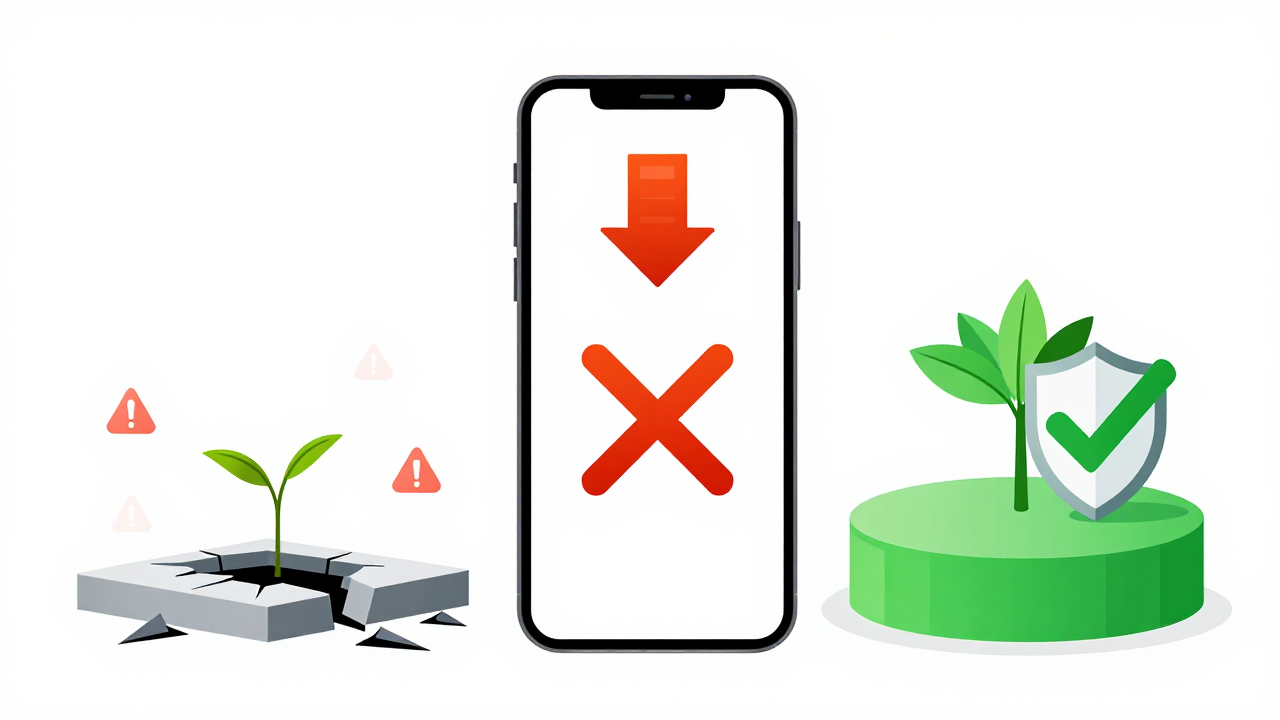
Truth #1: Many "SMS verification platforms" never make it to official app stores. They rely entirely on web portals or third-party distribution channels. The moment a domain gets blocked or an SSL certificate expires, downloads grind to a halt. That's not your fault—it's a platform with weak foundations.
Truth #2: Some platforms rotate their download links constantly to dodge regulatory scrutiny. A link that works today may be dead tomorrow. Many cross-border teams report logging in one day only to find their go-to platform unreachable, with customer support nowhere to be found. That kind of unpredictability wreaks havoc on business continuity.
Truth #3—and this is industry consensus: a failed download can mean the platform is quietly shutting down or exiting the market. Since 2025, telecom operators have tightened controls on SMS gateway access, forcing many smaller platforms to close up shop due to compliance costs or legal pressure. In a strange way, that failed download just saved you from a major headache.
The Industry Logic Behind Download Failures: Compliance Costs Determine Platform Lifespan
From my experience, a clear pattern emerges: SMS verification platforms that survive long-term share two traits—a defined compliance path and consistent technical investment. Platforms that lure users with rock-bottom prices and operate in gray areas tend to have alarmingly short lifecycles and poor user retention.
On the technical side, legitimate platforms typically use a "virtual number pool + API gateway" architecture rather than simple web-based forwarding. This setup demands serious server stability and number resource management. A common pattern we see: download failures often mean the platform's infrastructure can't keep pace with user growth—servers are overloaded, so they restrict new sign-ups.
Here's a real-world cautionary tale: a friend running an e-commerce business registered on a platform promising "10 free verification codes just for downloading." Within three days, his account was forcibly deactivated with the excuse of "number resource shortage." He later discovered the platform never connected to official carrier gateways—it was recycling a secondhand number pool, resulting in abysmal code delivery rates and high account-ban risk.
How to Tell If a Platform Deserves Your Long-Term Trust
Since download issues are just a symptom, what really matters is the platform's service model. In my experience, platforms with solid reputations—like Getfollow—operate on a compliance-first basis: they connect to number resources through official channels and offer API access rather than just a web interface. The upside? These platforms have real incentive to keep investing, so they won't sacrifice user experience for short-term gains.
Here's a three-point checklist to evaluate any platform:
- Clear privacy policy and terms of service—Legitimate platforms spell out how numbers are used and how data is protected. Vague language is a red flag.
- API access, not just a web portal—An API offering signals technical depth and lets you integrate verification into automated workflows.
- Responsive customer support—How quickly they resolve download issues or number anomalies directly reflects operational competence.
Industry observers note that on truly reliable platforms, the download step is almost an afterthought—they've already covered app store listings, official websites, and API documentation, so you never get stuck at step one.
What to Do When You Can't Download: Emergency Workarounds
If you urgently need SMS verification services, run through these steps before giving up:
- Check the official website for alternative download links or direct APK files—but verify the signature to avoid tampered versions.
- Contact customer support to confirm whether it's scheduled maintenance or a permanent shutdown. Slow responses usually mean the platform is in trouble.
- If the download still fails, move on immediately. Don't get attached. Several compliant providers remain in the market—start with a small test purchase before committing long-term.
One important warning: don't settle for "whatever works" just because downloading feels like a hassle. I've seen cross-border teams grab shady verification services to save time, only to face account bans and frozen funds—losses that dwarf any fees they saved. The industry consensus is clear: platform reliability directly impacts your account security. Spend the extra time vetting providers rather than gambling with your operations.
From "Can't Download" to "Choosing the Right Platform": A Rational Decision Framework
At its core, a failed SMS verification platform download is a market correction signal. Platforms that can't deliver stable service or maintain compliance are getting weeded out. For cross-border businesses and independent professionals, that's actually good news—the ones left standing are the ones worth trusting.
My advice: don't base your choice on price or download convenience alone. Evaluate technical architecture, compliance credentials, and user reputation. Start with a small prepaid test, then track key metrics like verification code delivery rates, number lifespan, and customer support response times before scaling up. That measured approach is what keeps cross-border operations running smoothly over the long haul.
If you're currently stuck with a platform that won't download, treat it as a screening opportunity—a platform that lets you download and use it without friction is the one worth your time. As for providers that can't even get the download step right? Walking away is the smartest loss you'll ever take.
Frequently Asked Questions
Why does my SMS verification app keep failing to download?
Most often, the platform isn't listed on official app stores and relies on unstable web links or third-party distribution. When domains get blocked or certificates expire, downloads fail—regardless of your device or connection.
Is it safe to use APK files from SMS verification platforms?
Only if you verify the file signature against the official source. Unofficial APKs may be tampered with and could compromise your account credentials. When in doubt, skip the platform entirely.
How can I tell if an SMS verification platform is shutting down?
Watch for these warning signs: repeated download failures, unresponsive customer support, sudden policy changes, or "number resource shortage" messages. These often precede a platform exit.
What should I look for in a reliable SMS verification service?
Prioritize platforms with clear privacy policies, API access, stable customer support, and a track record of consistent number delivery. Test with small amounts first and monitor code arrival rates before committing.