Dedicated SMS Verification: The Most Misunderstood Tool in Cross-Border Business
Dedicated SMS Verification: The Most Misunderstood Tool in Cross-Border Business
When cross-border business owners first hear the term "dedicated SMS verification," most assume it's just about receiving a confirmation code. What's so special about that? But if you've ever managed accounts on TikTok, Amazon, WhatsApp, or Google Voice, you already know there's a world of difference between standard verification services and dedicated ones—and that gap is measured in banned accounts.
What Problem Does Dedicated SMS Verification Actually Solve?
Put simply, dedicated SMS verification means every time you register or verify an account, the phone number you receive is exclusive, previously unused, and tied only to that specific account—whether it's a virtual or physical number.
Industry consensus is clear: one of the biggest red flags in platform risk controls is "number reuse." When the same number registers accounts on three or more different platforms within a short window, or gets verified repeatedly across different IP addresses, it's almost guaranteed to be flagged as suspicious activity.
From my own testing, TikTok accounts registered through shared verification platforms have a survival rate of just 30–50%. Accounts using dedicated numbers see retention rates above 70%. That's not a small difference—it's the difference between a viable business and a waste of time.
Why Cross-Border Teams Are Increasingly Dependent on Clean Numbers
The longer your business chain, the more clean numbers you need. It's really that simple.
- Running multiple social media accounts for a content matrix means each profile needs its own dedicated phone number
- Verifying WhatsApp Business or Telegram accounts—number quality directly impacts account weight and deliverability
- Registering e-commerce storefronts or building buyer accounts—one contaminated number can take down your entire store
- Repeated verifications on ad platforms—high number reuse triggers stricter risk reviews
A common pattern we see across the industry: what keeps practitioners up at night isn't verification speed—it's number purity. You never know what a number was previously used for, whether it's been reported, or if it's already sitting in a platform's blacklist database.
Here's a real cautionary tale: a dropshipping studio trying to cut costs used a budget verification platform to mass-register 50 WhatsApp accounts. By day three, every single one was banned. Investigation revealed the numbers all came from the same block and had previously been used to register spam accounts at scale—a textbook case of shared number contamination.
Two Main Models for Dedicated Verification Services
Services offering "dedicated" numbers generally fall into two categories, and they differ significantly in cost and how they operate.
Model One: Carrier-Grade Virtual Number Pools (API Direct)
These providers work directly with overseas carriers, allocate number blocks, and distribute them to users via API. Once a number is assigned to you, it won't be reassigned to anyone else during its validity period. You can view the number's country, carrier, and remaining validity directly in your dashboard.
The advantage here is high number quality and broad platform support, but pricing reflects that. This model suits teams that need long-term account cultivation and care about account authority.
Model Two: SIM Card Pools with Real-Time Allocation (Dynamic Dedication)
Providers purchase physical SIM cards in bulk and manage them through connected hardware. Each time you request a number, the system randomly pulls an unused card from the pool, releases it after verification, and returns it to rotation.
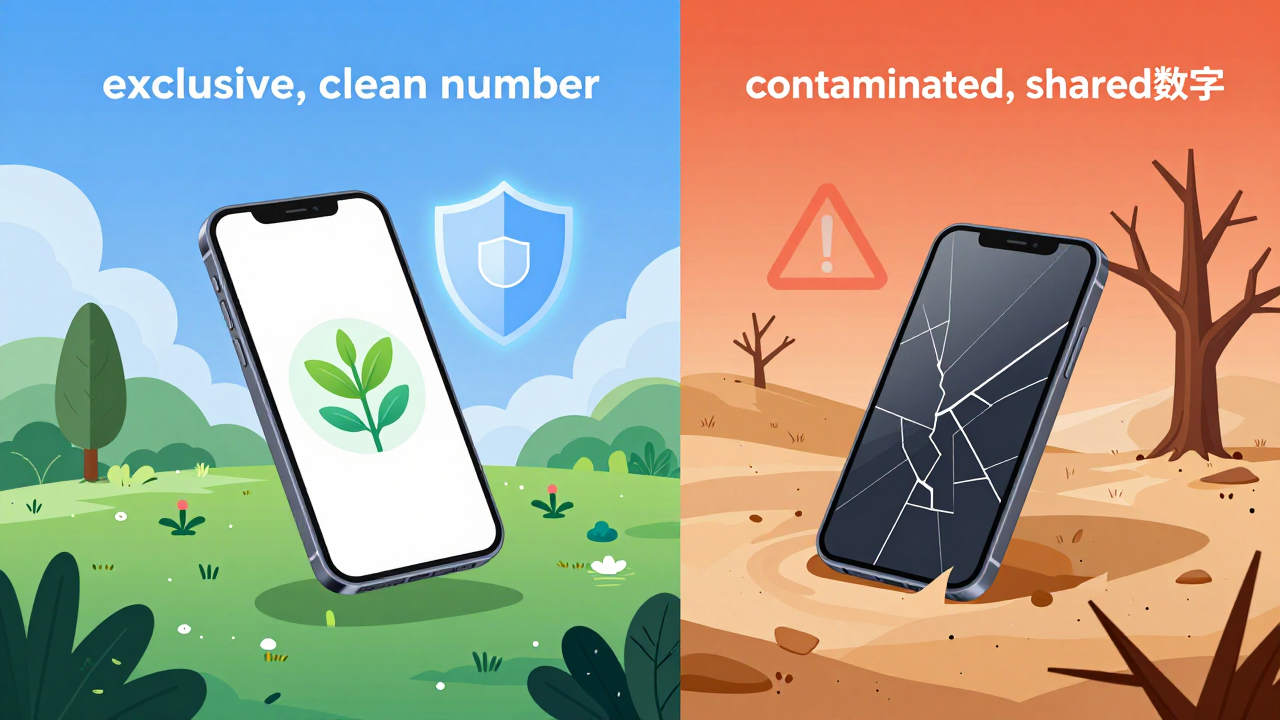
This approach is cheaper but has a critical flaw: numbers get recycled. If you're unlucky enough to receive a number previously used to register sensitive platforms, you're exposed to significant risk.
One platform that consistently earns solid reviews in the industry is Getfollow—they follow the first model with compliant operations, exclusive number allocation, and visible usage history. I'm not telling you to buy from them; I'm saying that when evaluating any provider, always ask directly whether they operate on an "exclusive" or "shared" model.
Three Questions to Ask Yourself Before Choosing a Provider
Too many solo operators start with "how much per number?"—that's the fastest way to get burned. Price reflects number sourcing, compliance standards, and support quality.
- Can I choose specific countries or regions? Some platforms claim "global coverage" but only carry cheap blocks from Southeast Asia and Eastern Europe. Registration success rates for US or EU platforms will be painfully low.
- Do they refund failed verifications? Industry feedback consistently shows reliable platforms keep failure rates under 5% and offer balance compensation. If a provider says "no refunds," walk away.
- Is there proper API documentation and responsive support? For teams doing automated bulk registration, API stability is everything. Many small platforms disappear without notice, taking your entire account infrastructure down with them.
Reality Check: Dedicated Verification Isn't a Silver Bullet
Let's be honest—even the most expensive dedicated verification service won't guarantee 100% account safety. Platform risk controls are multi-dimensional, and the number is just one piece of the puzzle.
IP environment, device fingerprinting, registration behavior patterns, even the time you register (like creating a US account at 3 AM China time) all factor into the assessment. Practitioners consistently report that combining dedicated numbers with residential IPs pushes account survival rates above 85%. But if you're using datacenter IPs and constantly switching devices, the cleanest number in the world won't save you.
My recommendation: test small before committing to a long-term contract. Register 5–10 numbers on your most critical platform and monitor survival rates and verification trigger frequency for a week. If the numbers clearly outperform your previous setup, then scale up.
So back to the original question—what does dedicated SMS verification actually mean? It's not some black-hat hack. It's a disciplined, compliance-first approach to managing phone number resources. Once you understand that core logic, you'll easily spot which providers are doing real work and which ones are just rebranding shared number pools to attract newcomers.
Frequently Asked Questions
Is dedicated SMS verification legal?
Yes, when used with legitimate numbers from licensed carriers and for lawful purposes like account registration and two-factor authentication. The key is choosing providers that operate transparently and follow carrier regulations.
What's the difference between dedicated and shared SMS verification?
With dedicated verification, each number is exclusively assigned to you for a set period and isn't reused by others. Shared verification platforms hand out the same numbers to multiple users, which dramatically increases the risk of platform bans.
How much does dedicated SMS verification cost?
Pricing varies significantly by country, carrier, and provider. Generally, dedicated numbers cost more than shared ones—but the price difference is small compared to the cost of losing a batch of registered accounts to bans.
Can I use dedicated numbers for WhatsApp or Telegram verification?
Yes, and it's actually one of the most common use cases. Messaging platforms are particularly aggressive about flagging numbers associated with spam or multiple accounts, making number purity essential.