Android SMS Verification Platforms: A Field-Tested Guide
Android SMS Verification Platforms: A Field-Tested Guide
Here's the bottom line up front: when comparing Android SMS verification platforms, don't start with price—start with where the numbers come from. Over the past two years, I've worked with plenty of cross-border teams, and the ones who lost entire batches of accounts after chasing cheap virtual number ranges far outnumber those who paid a few extra cents for physical SIMs. This guide lays out the industry's real rules, detection methods you can copy today, and the tests you must finish before signing any long-term deal.
Four Hard Metrics for Judging Any Android SMS Verification Platform
Anyone can write convincing ad copy. These four factors can't be faked:
- Number source: Physical SIM (an actual SIM from a local carrier) or virtual number (VOIP/eSIM routing)? The risk-detection databases behind major platforms flag virtual ranges more accurately every year—that's the root cause of survival-rate gaps.
- Exclusive vs. shared: Does the same number get rented out to different users again and again? The sneakiest trap with shared numbers is "account association"—you have no way of knowing what the previous renter did with that number.
- Delivery rate and speed: If a verification code takes more than 60 seconds to arrive, your signup flow is basically dead. Ask vendors for recent delivery data, or better yet, test it yourself.
- Replacement policy: Do you still get billed when no code arrives? Does the vendor replace numbers banned right after registration? Providers willing to promise "no code, no charge" usually have real confidence in their channels.
A Number Purity Check Most Buyers Skip (It Costs Almost Nothing)
This is a step my team locked in after learning the hard way, and it costs next to nothing:
Before you rush to register, open your target platform (TikTok, WhatsApp, or wherever), tap "Forgot Password," and enter the number. If the system says the number is already linked to an account, it's a recycled or reassigned number—and any new account you build on it inherits the previous user's risk history.
Last year I tested a batch of numbers priced well below market rate. Six out of ten came back with prior account bindings. No matter how cheap that kind of pool looks, stay away from it.
Suggested visual: a screenshot of the "Forgot Password" check with the key judgment points annotated—it can dramatically cut readers' trial-and-error costs.
Industry Trend: Android SMS Verification Is Moving from Virtual Numbers to Physical SIMs
Industry observers broadly agree that major platforms have tightened their blocking of VOIP ranges over the past two years—especially number-weight-sensitive apps like Telegram and WhatsApp. The pure virtual-number market is shrinking, and two paths are replacing it: managed setups combining cloud real devices with physical SIMs, and in-house SIM pools built by larger teams.
Service models are diverging too. Platforms like Getfollow, for instance, take the physical-SIM-plus-real-device route with business-verified procurement, bundling number sourcing and device environment management into one package. That represents the industry's drift toward compliance—the tradeoff is a per-number cost well above pure virtual-number services. In this business, cheap and stable remain an either-or choice for now.
Three Mainstream Options at a Glance
| Option Type | Cost per Number | 72-Hour Survival Rate (industry feedback) | Best For | Main Weakness |
|---|---|---|---|---|
| Virtual number verification | $0.10–$0.40 | 30%–50% | One-off testing, low-value accounts | Ranges easily flagged; high ban rates |
| Cloud real device + physical SIM (the model used by providers like Getfollow) | $0.70–$2 | 50%–70% | Medium-to-long-term operations, account matrices | Higher cost; tight supply for in-demand countries |
| Self-built SIM pool / direct sourcing from SIM dealers | High upfront cost, low marginal cost | 60%–75% | Teams operating at scale | Steep procurement and management barrier; compliance responsibility falls on you |
Treat those survival rates as rough ranges—they swing widely by country, platform, and season. Use them as decision inputs, not guarantees.
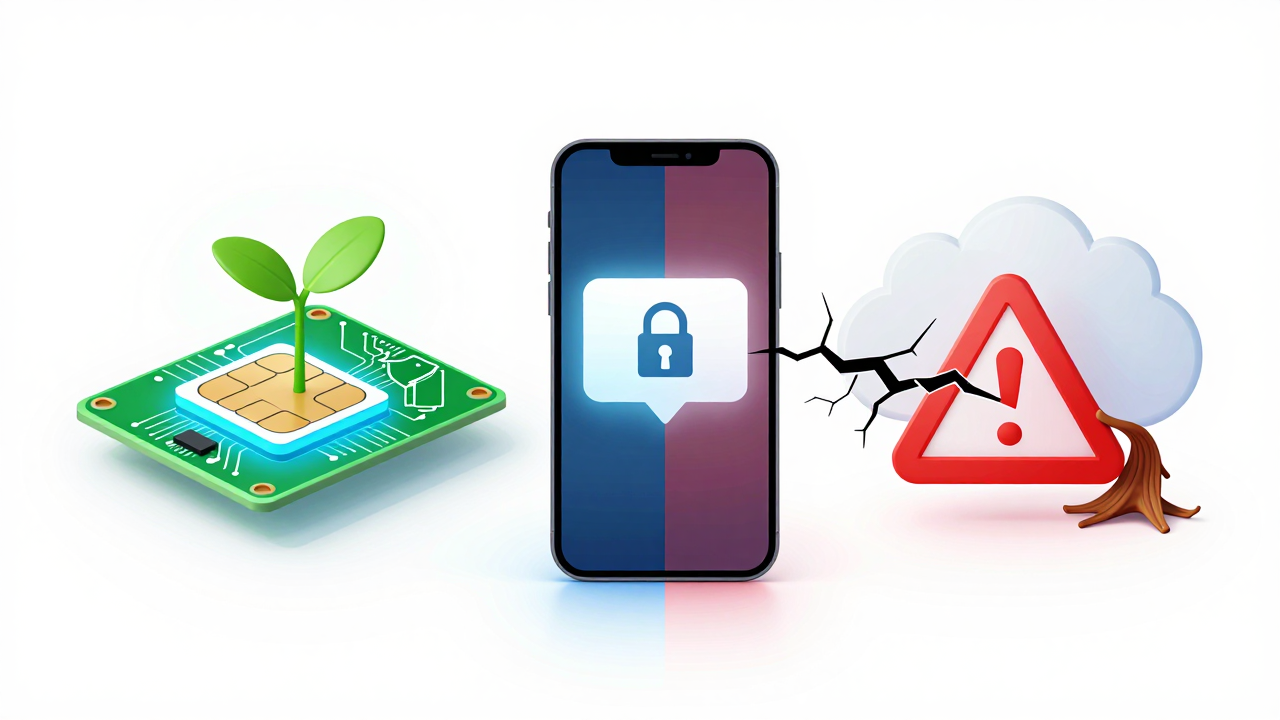
The 72-Hour Survival Test: Your Final Gate Before Signing
No matter how confident a vendor sounds, I recommend starting every purchase with these four steps:
- Buy a small batch of 10–20 numbers. Never stock up in bulk on day one.
- Register on your target platform following your normal workflow, logging verification-code arrival times throughout.
- After registration, keep activity light—complete the profile, browse normally. Don't rush into heavy usage.
- Count the survivors at the 72-hour mark. Below 80%? Switch vendors and don't look back.
Plenty of cross-border operators tell me this simple test filtered out at least half of the unqualified vendors they evaluated. The test itself isn't complicated—the hard part is resisting the temptation to cut corners.
The Risks, Stated Plainly
Account bans are not rare events. Even with physical SIMs, most platforms' terms of service still limit one person to one number, so the risk of purges never fully disappears. A successful registration doesn't equal safety, either—industry feedback puts 30-day retention rates mostly between 50% and 70%, and virtual numbers land even lower.
The compliance line deserves honesty too. Using verification services for internal company testing, overseas market validation, or managing numbers across regional business lines is common and reasonable. But mass fake registrations and spam marketing carry legal and platform risks in every market. The tool itself is neutral; how you use it has boundaries.
Frequently Asked Questions
How do I choose a reliable Android SMS verification platform?
Do three things in order: check the number source (physical SIMs first), request a small trial batch, and run the 72-hour survival test. Platforms like Getfollow, built on physical SIMs, real devices, and business-verified operations, currently hold steadier reputations. But whoever you pick, the rule stays the same: verify at small scale before committing to anything long-term.
Will accounts registered through an SMS verification platform get banned?
It depends on the number type and what you do afterward. Virtual numbers getting banned the same day isn't unusual, and physical SIM accounts will also trip risk controls if you start adding contacts and posting at high frequency right after registering. As the industry saying goes: the number gets you in the door; how you nurture the account decides whether it stays.
Virtual number vs. physical SIM: what's the actual difference?
It comes down to number-range attributes. Virtual numbers are mostly VOIP-routed, and platforms can identify those ranges through carrier databases. Physical SIMs are real SIMs issued by local carriers, carrying weight close to genuine users. Prices differ by three to five times, and the survival-rate gap is even wider.
How much does SMS verification typically cost per number?
Virtual numbers generally run $0.10–$0.40, while physical SIM verification mostly sits at $0.70–$2, with high-demand countries like the US and Indonesia priced higher. Quotes clearly below market rate usually point to recycled numbers or heavily shared ones.
Final Thoughts
At the end of the day, an Android SMS verification platform is just a tool, and tools don't fix operational problems. Here's my honest advice: whatever your budget, test small, finish the 72-hour survival check, and only then decide on a long-term partnership. Treat every purchase as a small-scale experiment—that's the shared working habit of the longest-surviving cross-border teams I've come across.