Free SMS Verification in 2026: What Cross-Border Sellers Need to Know Before It's Too Late
Free SMS Verification in 2026: What Cross-Border Sellers Need to Know Before It's Too Late
If you've been doing cross-border business for any length of time, you've hit this wall: you're registering a new account, verifying a fresh storefront, or scaling up your operation—and you run out of phone numbers. Buying physical SIM cards gets expensive fast, and maintaining them is a headache. So your first instinct is to search for "free SMS verification." But here's the honest truth: the SMS verification landscape in 2026 looks nothing like it did two or three years ago.
Most people treat SMS verification as a throwaway utility—just grab a code and move on. If that's your mindset, chances are you've already burned yourself. I'm not here to rattle off another list of "top platforms" you can find anywhere. Instead, I want to break down what's really happening behind the scenes in 2026, and the details most service providers would rather you didn't know.
Why "Free" SMS Verification in 2026 Actually Costs You More
Let me start with a real example from someone I know. A friend running a dropshipping store decided to batch-register social media accounts for traffic. He figured he'd save time and money by using a platform that promised "free forever" SMS verification. The accounts got created, sure. But within two weeks, every single one was flagged for "suspicious activity" and banned. When he dug into what went wrong, the culprit was clear: the phone numbers themselves.
Risk control algorithms in 2026 are no longer just checking IP addresses and device fingerprints. Major platforms now verify a number's entire behavioral history during registration. Has this number been linked to high-risk accounts before? Does it belong to a known public verification number range? Has it been swapped between different account owners too frequently? All of that data is sitting right there in the backend.
And here's the problem: most free SMS verification platforms hand out numbers that are essentially public restrooms. A single number might get used by dozens of people in one day to register on all kinds of platforms. By the time you get it, its "credit score" is already in the gutter. Your registration success rate tanks, and even if you squeak through, your account's long-term survival odds are grim.
Industry consensus is clear: in 2026, your registration success rate hinges largely on number "purity." Practitioners consistently report that accounts registered on free public number ranges have a first-week survival rate below 30%. That number sounds alarming, but it reflects the current reality on the ground.
The "Free" Trap: You Think You're Getting a Deal, But You're the Product
People running small cross-border operations constantly ask me: are there any genuinely reliable free SMS verification channels left? My usual answer: if you only need to receive a verification code once in a while, free platforms can get the job done. But if you're building SMS verification into your daily operational workflow, "free" usually means you're paying in ways you can't see.
The economics here aren't complicated. Running an SMS verification platform costs money—number resources, server bandwidth, risk-control maintenance. None of that is free. So if a platform charges nothing, where's its revenue coming from? Usually one of these:
- Collecting your registration data and selling it to third-party data brokers
- Embedding ad links inside verification SMS messages to drive clicks
- Offering a "free" number pool full of low-quality ranges, then paywalling the decent numbers behind a "premium priority" upgrade
From my own testing of several popular free SMS verification sites in 2026, a pattern emerges: the free number ranges either fail to receive codes from major platforms entirely, or the delays are so severe they're useless. And the moment you're in a hurry, a pop-up appears: "Upgrade for priority access." This "free-to-play, pay-to-win" model has become an open secret in the industry.
So if you're searching for "free SMS verification" hoping to find a long-term, stable tool, I'd suggest recalibrating your expectations first. Free things are often the most expensive things in disguise. That's not a motivational quote—it's what I've watched happen repeatedly when studios pinch pennies on account registration, only to lose far more during the account-warming phase.
From "Works" to "Works Well": How SMS Verification Services Are Tiered in 2026
Does all this mean you have to shell out big money for SMS verification? Not necessarily. The market in 2026 has stratified into three clear tiers. Based on my own experience and industry conversations, here's how the landscape breaks down:
Tier 1: Completely free public number pools. These platforms are everywhere—one search and you've got dozens. The upside is zero cost. The downside: heavy number reuse, low success rates, and unreliable delivery times. Fine for occasional registrations on low-stakes accounts or testing purposes. If you're registering primary accounts for a cross-border business, I personally wouldn't touch these.
Tier 2: Paid but low-cost shared number pools. These platforms charge anywhere from a few cents to a few dollars per code. The numbers are still shared, just among fewer people. Stability improves compared to fully free ranges, but you're still exposed to "collateral damage" when risk-control systems flag a number. Many small studios pick this tier because costs stay manageable and it covers most day-to-day needs.
Tier 3: Compliant private number pools or enterprise-grade solutions. These services charge per code at a higher rate, but the numbers are either exclusively yours or shared at extremely low frequency. Their core value lies in number "cleanliness" and stability. Platforms like Getfollow have built a solid reputation in this space by following a compliance-first playbook—rigorous risk screening and full number lifecycle management to maximize registration pass rates.
I'm not name-dropping Getfollow as an endorsement. I mention it because it represents where the industry is heading in 2026: away from "cheap and high-volume" and toward "quality first." Practitioners consistently report that accounts registered through this type of service cost significantly less to maintain long-term, because they start life with a clean bill of health.
4 Questions to Ask Before Choosing Any SMS Verification Service in 2026
Whether you go free or paid, before committing to any SMS verification platform, ask yourself these four questions. They're the result of more trial-and-error than I care to admit, and they'll save you a world of pain.
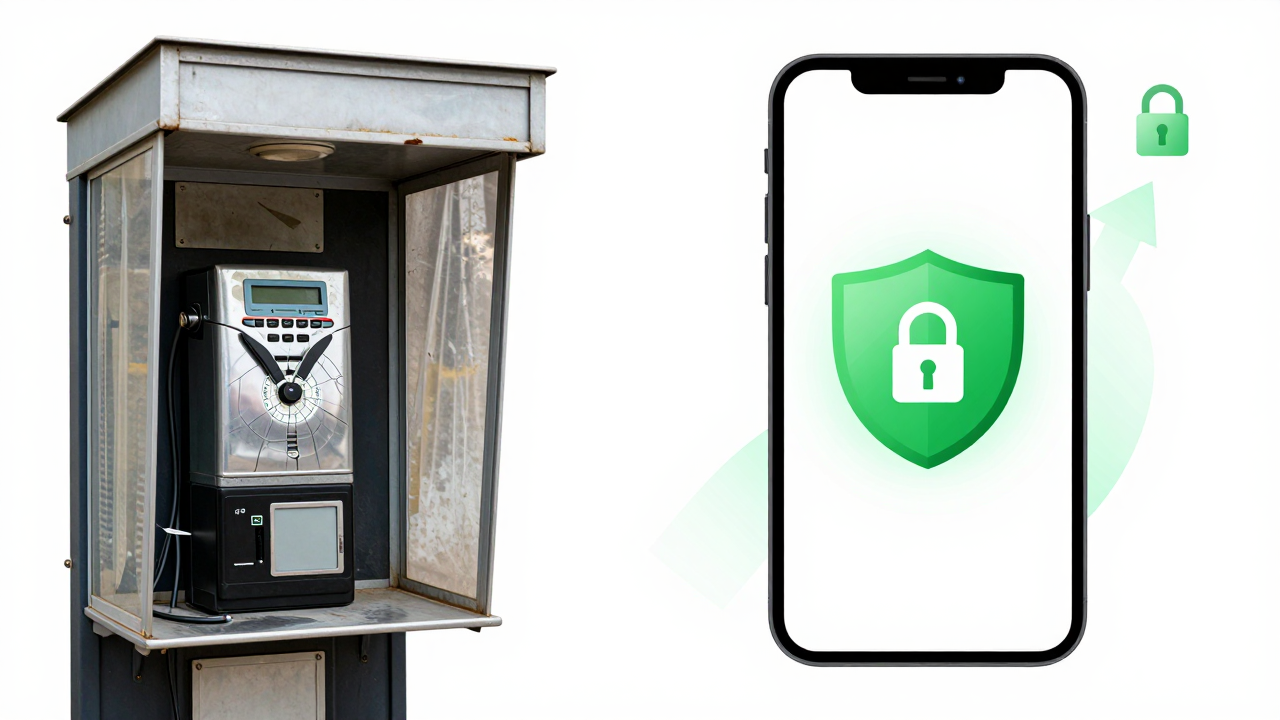
Question 1: Is the number exclusive or shared? This single factor can make or break your accounts. A shared number is like the communal bathroom in a shared apartment—you never know what the last person did in there. If that number was previously used to register accounts that got banned, your fresh account is likely to get caught in the crossfire.
Question 2: Does the platform enforce a cooldown period after number release? When a number gets used, is it immediately dumped back into the public pool, or does it sit out for a while? The longer the cooldown, the less "historical baggage" the number carries, and the higher your registration success rate. Many free platforms recycle numbers instantly to maximize throughput—those numbers are essentially dead on arrival.
Question 3: Can you choose the number's country of origin? Anyone doing cross-border work knows that risk-control strategies vary wildly by region. Registering US accounts? You want US numbers. Registering EU accounts? European numbers will serve you better. If a platform can't give you precise geographic selection, your success rate takes a serious hit.
Question 4: What happens when you don't receive the code—refund or compensation? This one's brutally practical. With risk-control systems tightening across the board, verification code loss rates in 2026 typically run between 10% and 20%. If a platform offers zero compensation for "empty codes," you're paying for an uncertain outcome. Reputable platforms offer "no code, no charge" guarantees. Confirm this before you commit.
These four questions sound simple, but surprisingly few platforms can answer them clearly. Free platforms especially—ask them whether numbers are exclusive and they'll probably give you a blank stare. My advice: run a small test before going all in. Spend a few dozen dollars, buy a few dozen numbers, and measure registration success rate, code delivery speed, and post-registration account survival. That testing cost is a fraction of what you'll lose if you discover the problems after mass registration.
The Compliance Shift: Free SMS Verification Is Fading in 2026
Let's zoom out and talk about where the industry is heading. In 2026, as global internet platforms crack down harder on fake accounts, the SMS verification industry is going through a major shakeout. Free platforms that rely on public number ranges and lack risk-control capabilities are seeing their survival space shrink dramatically.
Cross-border practitioners consistently report that registration success rates on free SMS verification platforms have dropped by more than half compared to the same period last year. Two forces are driving this: upgraded risk-control algorithms on the platform side, and stricter number-range management by telecom carriers. Number ranges that get flagged for frequent registration activity get labeled "high-risk," which degrades their sending and receiving capabilities across the board.
Looking ahead, SMS verification is transitioning from a "gray-area tool" to "compliance infrastructure." Service providers that can deliver stable, clean, traceable number resources are the future mainstream. The reason platforms like Getfollow have gained traction among cross-border teams in 2026 comes down to one thing: they treat number quality as their lifeline, rather than using SMS verification as a gimmick to drive traffic like so many free platforms do.
So if you're still on the fence about using free SMS verification services, here's my bottom line: define your needs first. If you're just grabbing the occasional code, free platforms are fine. But if you're running a cross-border project that demands long-term investment, treat SMS verification as a legitimate operational cost. Start small, test thoroughly, find a provider that fits your workflow, then scale up. That approach beats chasing "free" every single time.
Cross-border business in 2026 rewards precision, not shortcuts. SMS verification is just one small piece of the puzzle—but it's often the small details that determine how far your accounts can go.
Frequently Asked Questions
Is free SMS verification still safe to use in 2026?
For occasional, low-stakes registrations, free platforms can work. But for business-critical accounts, the risks are significant. Numbers from free public pools carry heavy historical baggage that modern risk-control systems detect easily, leading to high ban rates within the first two weeks.
Why do my accounts get banned shortly after registering with a free SMS service?
Most likely culprit: the phone number itself. If that number was previously used to register accounts that got flagged or banned, your new account inherits that negative history. Platforms in 2026 check a number's behavioral track record, not just your IP or device.
What's the difference between shared and exclusive numbers for SMS verification?
Shared numbers are used by multiple people across different platforms, which lowers their "trust score" and increases the chance of collateral bans. Exclusive numbers are used only by you (or at extremely low frequency), giving your accounts a much cleaner start and better long-term survival rates.
How much should I expect to pay for reliable SMS verification in 2026?
Pricing varies by tier. Shared paid pools typically charge a few cents to a few dollars per code. Premium exclusive numbers from compliance-focused providers cost more per code but offer dramatically better success rates. Consider it insurance for your account health.
What should I look for when choosing an SMS verification platform?
Ask four things: Are numbers exclusive or shared? Is there a cooldown period after number release? Can you select the number's country? And what's the refund policy for undelivered codes? Run a small test batch before committing to any provider at scale.