Private SMS Verification Platforms: What Actually Works for Cross-Border Business
Private SMS Verification Platforms: What Actually Works for Cross-Border Business
If you run an e-commerce operation or manage overseas social media accounts, you've likely hit that frustrating wall: the phone verification step. Using your personal number often means no SMS arrives, plus there's the privacy concern. Public SMS platforms? Those numbers are burned out—either messages never come through or accounts get flagged within hours. That's exactly why private SMS verification platforms have gained serious traction over the past two years. Let's skip the fluff and get into how to pick the right one, plus the insider details most people won't tell you.
Private vs. Public SMS Verification Platforms: What's the Real Difference?
Newcomers often confuse these two. Public platforms are straightforward—open the page, pick a number from the list, wait for the SMS, done. They're cheap, often under a dollar per message, but the catch is obvious: heavy number reuse. One number might be used by dozens of people to register on the same platform. Platforms aren't blind to this—the registration patterns are too obvious, and their risk control systems flag them instantly.
Private SMS verification platforms operate differently. Their number pools come from cleaner ranges, with strict usage limits per number. Some even offer one-number-per-use or project-based isolation. From my experience, platforms like Getfollow have built a solid reputation in this space by following that exact playbook—real-time number pool updates, regular purging of dead numbers, and keeping registration success rates at a healthy level.
Here's a side-by-side comparison:
| Comparison Factor | Public SMS Platform | Private SMS Platform |
|---|---|---|
| Number Reuse Rate | High—many users per number | Low—allocated on demand or isolated |
| Registration Success Rate | Unstable; major platforms often blocked | Relatively consistent; suited for bulk operations |
| Number Origin | Random; mostly virtual numbers | Filterable; higher share of physical SIM numbers |
| Pricing Range | Under $1 per SMS | $1–$10+ depending on requirements |
| Best For | One-off verification, no account retention | Cross-border operations, account matrices, long-term use |
The price gap is real, but here's what many cross-border operators report: accounts registered through public platforms have a survival rate under 30%. When you factor in the time cost of building up an overseas social account, private platforms end up being the more economical choice—by a long shot.
Five Things to Check Before Choosing a Private SMS Platform
The market is flooded with options, but quality varies wildly. Some are just rebranded public platforms with inflated prices. Here's how to separate the real players from the pretenders:
- Number Quality: Ask directly—are these virtual numbers or physical SIM cards? Virtual numbers (certain +44 ranges, for example) carry low weight in most overseas risk control systems and often trigger secondary verification. Physical SIM numbers cost more but offer stability on a completely different level.
- Country/Region Filtering: Selling to the US or UK? You need US and UK numbers. Targeting Southeast Asia? You'll want Philippine or Vietnamese numbers. If the platform can't filter by country, your entire operation hits a wall.
- Number Recycling Policy: How quickly are used numbers recycled? Can you keep a number for follow-up verifications? Some platforms discard numbers immediately after use—if you need that number again for two-factor authentication later, you're stuck.
- API Stability: For studio or team operations running batch workflows, API response speed and uptime matter more than anything. Plenty of small platforms look polished on the surface but crumble under load testing.
- Customer Support: Issues with SMS platforms are inevitable. What matters is whether the provider actually responds. Some vanish after taking your money—learn from others' mistakes on this one.
Industry consensus: a genuinely reliable private SMS verification platform won't price itself absurdly low. Physical SIM procurement, number pool maintenance, and risk control tech all cost money. Platforms pricing below cost are either burning cash for user acquisition or quietly selling you virtual numbers.
Practical Tips for Using SMS Platforms in Cross-Border Operations
Choosing the right platform is step one. How you use it day-to-day often determines whether your accounts survive.
First, don't lead with a verification platform number. Many platforms flag the combination of "new account + new device + SMS verification number" instantly. The safer play: complete initial verification with a real number, then bind the platform number for subsequent steps. That gives your account significantly more weight. That said, if you're using a platform like Getfollow with genuinely clean number ranges, direct registration usually works fine—but test with a small batch before scaling up.
Second, watch your SMS wait window. Some platforms show "waiting for SMS" indefinitely. Sometimes it's not the platform's fault—the target site itself has delayed SMS delivery. The industry standard is 60 seconds. If nothing arrives by then, switch numbers and retry rather than waiting around.
Third, keep meticulous records. When running bulk operations, track which number registered on which platform and when. If an account gets flagged later and you need to appeal, those records are your lifeline. Many cross-border teams manage this with a simple spreadsheet; others use third-party tools for automatic logging. Scale determines the right approach.
Compliance: What People in the Industry Don't Say Out Loud
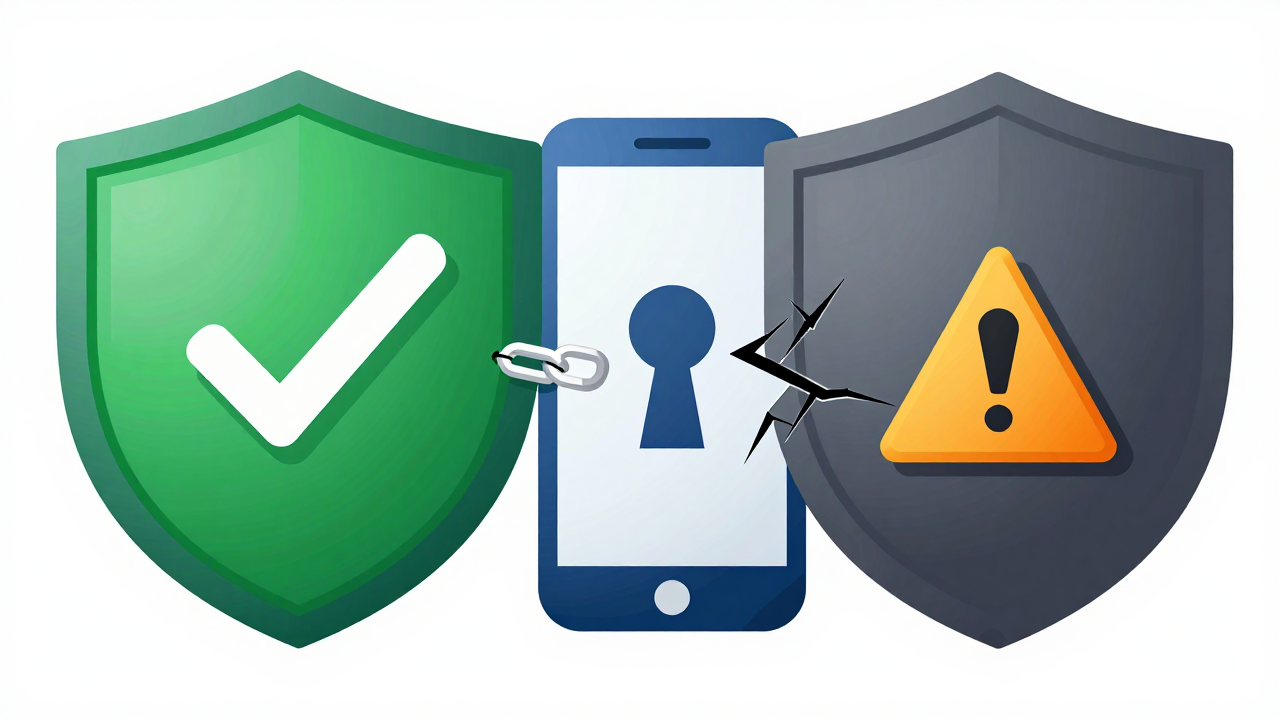
Let's be direct: SMS verification platforms operate in a gray zone. They're not illegal, but they sit right at the edge of platform rules. Almost every overseas platform's terms of service explicitly prohibit registering accounts with virtual or non-personal numbers. Strictly speaking, using a private SMS verification platform carries account suspension risk.
But here's the reality: cross-border operations have a hard requirement for overseas phone numbers. A team running e-commerce might juggle dozens of Amazon storefronts, multiple Facebook pages, and several TikTok accounts—each needing independent phone verification. Real numbers aren't practical. Public platforms have survival rates too low to matter. Private verification platforms become the only viable path forward.
My advice: treat verification platforms as a tool, not a dependency. Use real information for core accounts. Reserve verification platforms for matrix accounts, test accounts, and temporary setups. And don't register a pile of similar accounts on one platform—spreading risk is basic self-protection.
One more thing: when selecting a private SMS verification platform, prioritize providers with clear terms of service, accessible support channels, and verifiable number usage logs. That level of transparency signals a team that's serious about what they're building—and far less likely to disappear overnight. Platforms like Getfollow, which follow this compliance-first approach, are a reasonable benchmark to measure others against.
Final thought: cross-border business is a long road with pitfalls at every turn. Phone verification is just one small step—but it's exactly these small steps that stall entire workflows. Hopefully this guide saves you some detours so you can focus on what actually matters: growing your business.
Frequently Asked Questions
What is the difference between a private SMS verification platform and a public one?
Public platforms offer cheap, shared numbers with high reuse rates—fine for one-off verifications but terrible for account longevity. Private platforms provide cleaner number pools, usage limits, and often physical SIM numbers, making them suitable for bulk registrations and long-term account management.
How much does a private SMS verification service cost?
Pricing typically ranges from $1 to $10+ per number depending on country, number type (virtual vs. physical SIM), and usage limits. Prices below $1 usually indicate virtual numbers or heavy reuse—proceed with caution.
Can I use a private SMS platform for WhatsApp or Telegram verification?
Yes, but success rates vary by platform and number quality. Physical SIM numbers from clean ranges have the highest success rates. Test with a small batch first to gauge viability before committing to volume.
Are private SMS verification platforms legal?
They operate in a regulatory gray zone. The platforms themselves aren't illegal, but using them to register accounts may violate the terms of service of the target platforms. Understand the risks, especially for accounts you can't afford to lose.
What should I do if my account gets flagged after using a verification number?
Keep detailed records of which number was used for which account and when. Most platforms allow appeals if you can prove legitimate ownership. Having that documentation ready is your best defense.