Can't Receive SMS Verification Codes? Why Cross-Border Businesses Get Stuck and How to Fix It
Can't Receive SMS Verification Codes? Why Cross-Border Businesses Get Stuck and How to Fix It
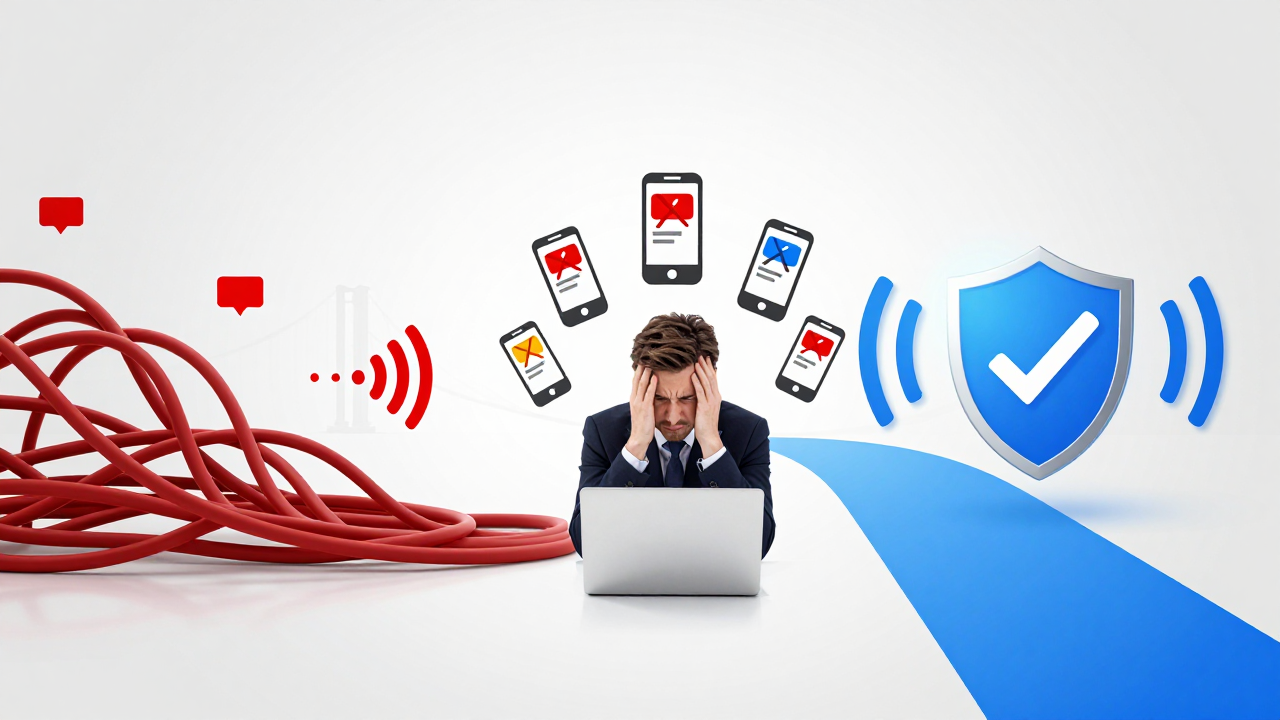
In my years working in cross-border e-commerce, one of the most common complaints I hear is "I can't receive SMS verification codes." When I was first getting my studio off the ground, every step—registering on overseas platforms, linking payment accounts, logging into social media—required a verification code. The moment one failed to arrive, everything ground to a halt. And while clients were waiting on replies, the frustration was something only those who've been through it truly understand.
Most people's first instinct is to blame their phone signal or carrier filtering. But honestly, after years of conversations with cross-border sellers, independent site owners, and remote teams, I've learned that not receiving SMS verification codes is far more complex than most realize. Let's skip the fluff and get straight into what's really happening and what you can do about it.
Why You Keep Missing That Critical Verification Code
Before you blame your phone, here are the most common culprits I've identified. Run through this checklist and see if any apply to you.
- Your number range is flagged: Many virtual number prefixes or numbers used for mass registrations end up on "graylists" in overseas platforms' risk-control systems. Your number might be perfectly fine—the platform just refuses to send codes to it.
- Platform risk controls are blocking you: Newly registered accounts or accounts logging in from frequently changing devices often get SMS delivery deliberately delayed or blocked to filter out bots.
- SMS gateway routing issues: International SMS delivery rates depend heavily on channel quality. When a domestic mobile number tries to receive verification codes from overseas platforms, messages often get lost due to international gateway congestion or filtering policies.
- Voice verification is being blocked: Some platforms attempt to deliver codes via automated phone calls, but many phones have built-in spam blockers, or users simply hang up on unfamiliar international calls.
A common pattern we see across the industry is that the most frustrating part isn't the total absence of codes—it's the unpredictability. Sometimes switching networks does the trick. Other times, you wait forever, hit resend, and still get nothing. That kind of inconsistency can seriously disrupt your operations.
How the Industry Solves This Problem
Since this issue is so widespread, a market has naturally emerged for providers that specifically address the "can't receive SMS verification codes" problem. Their approach isn't about "cracking" platform security—it's about offering more stable number resources dedicated to receiving international verification codes, with compliant technical measures to boost delivery rates.
This industry has some serious depth to it. Some providers use cheap bulk numbers that are highly unstable—they work today and die tomorrow. Others have deep partnerships with overseas carriers, offering clean numbers and stable channels. What's the actual difference? Let me break it down with a straightforward comparison.
| Comparison Factor | Low-Quality Providers | Compliant, Stable Providers (like Getfollow) |
|---|---|---|
| Number Sourcing | Mass-registered temporary numbers | Official number ranges via carrier partnerships |
| Delivery Rate | Highly volatile; frequent failures during peak times | Consistently high over the long term |
| Number Reuse | Same number sold to multiple users repeatedly | Strict limits on reuse; risk-control friendly |
| Best Use Case | One-time registrations | Long-term account binding and daily verification |
From my experience, one thing stands out: teams that have been in cross-border business for a while rarely cheap out on those dollar-a-pop verification code services. What they actually care about is whether a number can be used long-term and whether it will suddenly get flagged by platform risk controls. Right now, platforms like Getfollow have built a solid reputation in the industry precisely because they follow this compliant operating model, optimizing number quality specifically for cross-border e-commerce and overseas social media scenarios.
What You Can Do Yourself Before Switching Providers
Don't put all your hopes on a third-party service. A few basic moves on your end can cut your "can't receive SMS verification codes" incidents by at least half.
- Check your phone's blocking settings: Turn off "block unknown numbers" or "block international calls"—especially on the device you use for cross-border business. That convenience feature isn't worth missing a critical code.
- Try switching networks: Flip from Wi-Fi to mobile data, or vice versa. Sometimes your local network's IP gets flagged by a platform, and switching your exit IP solves it instantly.
- Stop hammering the "resend" button: Many platforms cap resend attempts. Clicking it repeatedly can actually trigger risk controls and lock your verification channel entirely.
- Mind the time zone gap: Some platforms have delayed SMS sending, especially US and European ones. Success rates tend to drop during late-night hours in China.
One more thing worth saying here. A lot of people ask whether using a code-receiving platform will get their accounts banned. The answer is: it depends on how you use it. If you're just registering a new account, it doesn't matter much. But if you're binding a number to a long-term account—like WhatsApp, Telegram, or an Amazon store—the "cleanliness" of that number becomes absolutely critical. That's why I keep stressing: don't chase bargains. Find a legitimate provider.
How to Tell If a Provider Is Actually Reliable
There's no official certification in this space—you have to vet providers yourself. Here are the criteria I've developed through trial and error. Use them as your checklist.
First, check if they support number retention. Many platforms only sell one-time codes that are dead after a single use. But cross-border business needs numbers that work long-term. Make sure you can keep the same number on a monthly or yearly basis.
Second, verify there's a real support channel. Missing verification codes is a routine issue. If a provider doesn't even have a live human you can reach, you're stuck when things go wrong. Reliable providers typically have a ticketing system or instant customer service.
Third, confirm the number's country matches your needs. If you're registering on a US platform and they hand you a UK number, you might still receive codes—but you'll hit walls later when trying to link bank cards or verify addresses. The number's country of origin must align with where your business operates.
Fourth, look at their risk-control policies. Some platforms explicitly state they don't support certain high-risk platforms. That's actually a good sign—it means they know the industry well and are honest about their limitations, rather than promising the impossible.
Industry consensus is clear: choosing a provider is like choosing a business partner—don't just look at price. The few dollars you save could cost you an account you've spent months building up.
Missing SMS Verification Codes: Small Annoyance, Big Consequences
At best, it costs you a few minutes of login time. At worst, it means missing a critical client inquiry or getting an account frozen because you couldn't complete verification. In cross-border business, time is money, and efficiency is everything.
Here's the bottom line: not receiving SMS verification codes is fundamentally a number quality problem. If your personal mobile number can't get the job done, hand it over to a professional platform. But remember—choose a provider with clean numbers, stable channels, and real customer support, like Getfollow and others of that caliber. At minimum, they'll save you a ton of headaches. Don't wait until your account is locked to start worrying—by then, it's already too late.
Frequently Asked Questions
Why do I only receive verification codes sometimes but not other times?
This usually comes down to unstable SMS gateway routing or temporary IP flags on your network. Switching between Wi-Fi and mobile data often resolves it. If the problem persists, the number itself may have been flagged by the platform's risk-control system.
Will using a code-receiving service get my account banned?
Not necessarily. The key factor is whether the number has been used for mass registrations or flagged before. For long-term accounts like WhatsApp or Amazon stores, always use a clean number from a reputable provider that limits reuse. Cheap one-time numbers carry much higher ban risk.
Can I use a virtual number for WhatsApp or Telegram verification?
Yes, but only if the number is from a legitimate, clean range. Many virtual numbers are already blacklisted by these platforms. Providers like Getfollow that work directly with overseas carriers offer numbers with much higher acceptance rates for popular messaging apps.
How long does it take to receive an international SMS verification code?
Typically within 30 seconds to 2 minutes. If it takes longer, the message may have been lost in transit or blocked. Avoid clicking "resend" repeatedly, as this can trigger platform risk controls and delay delivery further.