Crowdsourced SMS Verification Tasks: The Hidden Account Verification Lifeline for Cross-Border Business in 2026
Crowdsourced SMS Verification Tasks: The Hidden Account Verification Lifeline for Cross-Border Business in 2026
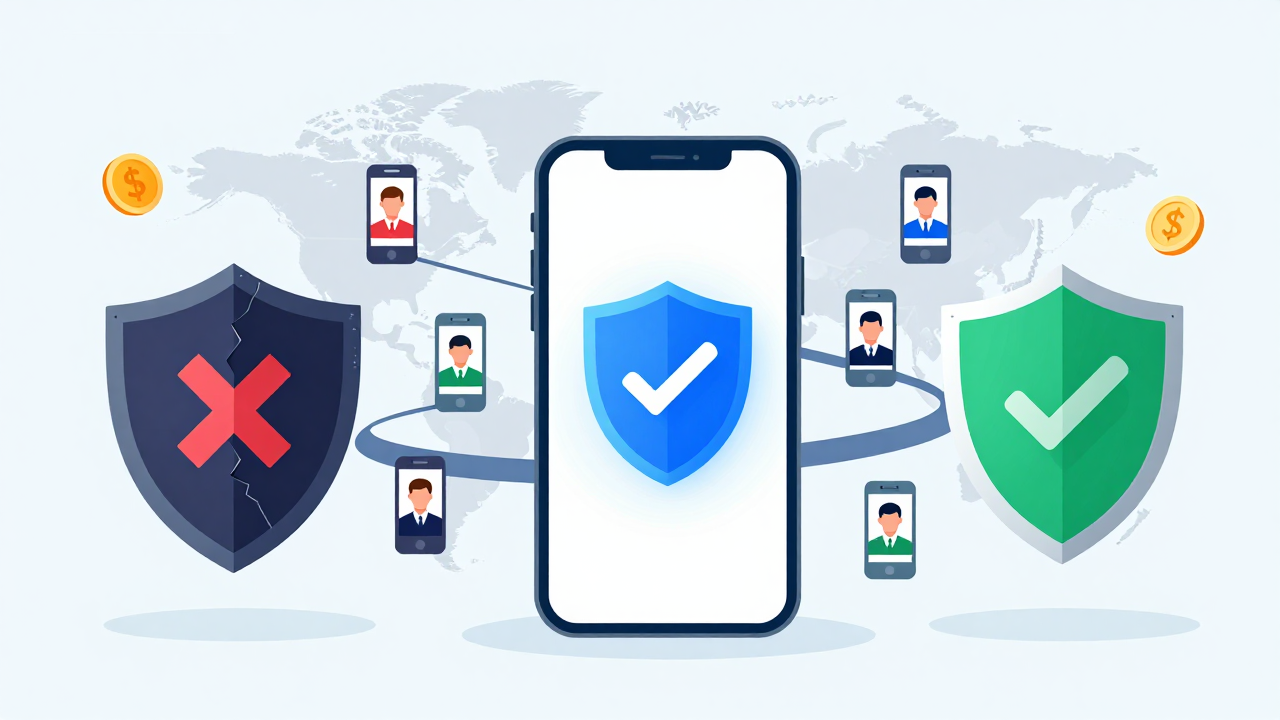
After two years working in cross-border e-commerce, I've noticed a major shift: in 2026, overseas platforms are scrutinizing registration phone numbers more aggressively than ever. The old trick of grabbing any virtual number to pass verification no longer works. That's why more teams are turning to crowdsourced SMS verification tasks—essentially, platforms that connect you with real overseas users who receive verification codes on their actual phones and forward them to you.
It sounds clever in theory, but the waters run deeper than most people expect. I've seen teams spin up hundreds of TikTok accounts in a week using this method, and I've also watched someone lose tens of thousands in prepaid balance overnight. No hype, no hate—just the facts.
The Real Landscape of Crowdsourced SMS Verification in 2026: More Than Just "Receiving Codes"
Most people assume crowdsourced verification follows a simple three-step flow: platform posts a task, user receives the SMS, you get the code. In reality, this process has evolved into a complex supply chain by 2026.
At the top are task publishers—cross-border sellers and studio operators. In the middle sit the verification platforms or crowdsourcing apps. At the bottom are real mobile users spread across Southeast Asia, Latin America, and Eastern Europe. These users earn anywhere from $0.50 to $2 per task, while platforms take a 30%–50% cut.
Here's an industry consensus that rarely makes it into the marketing materials: success rates in 2026 are nowhere near what platforms advertise. Based on my own testing across several mainstream services, US and European number success rates typically land between 60% and 75%. Southeast Asian numbers perform slightly better at around 80%, but the real problem lies in what happens after registration—account survival.
Why? Because platform risk controls have leveled up. In 2026, Google, Meta, and TikTok no longer just check whether a phone number is real. They analyze device fingerprints, IP cleanliness, and behavioral patterns. You might receive a legitimate verification code, but if your registration environment looks dirty, your account gets flagged within seconds.
The Pitfalls Nobody Warns You About: Bans, Low Retention, and Wasted Money
Let me share a real case. Last month, a friend running a dropshipping store reached out. He'd loaded $700 into a verification platform and registered 30 WhatsApp accounts. Within three days, 27 were banned. The platform's customer service response? The same scripted line: "User operation issue—platform assumes no responsibility."
This isn't an isolated incident. Industry-wide feedback from 2026 shows account retention rates fluctuating between 50% and 70%. In plain terms: for every $100 you spend on verification codes, only about $60 worth actually works. The rest either never arrive, fail during registration, or get flagged within days of signup.
A more insidious issue is code reuse. Some crowdsourcing users register on multiple platforms simultaneously, meaning the same phone number receives verification codes for different services within a short window. Platform risk systems aren't stupid—a number receiving frequent verification codes gets flagged as a "verification number," and your account gets caught in the crossfire.
Here's another detail most people overlook: settlement mechanics. Many platforms require prepayment with minimum deposits around $70, but withdrawal thresholds are steep and approval is slow. If a platform shuts down or your account gets frozen, that prepaid balance is gone. Several small verification platforms have already pulled exit scams in 2026—the amounts aren't huge, but they're infuriating.
How to Pick a Reliable Crowdsourced SMS Verification Service: My Practical Playbook
Let me cut to the chase: in 2026, there's no "perfect solution" for SMS verification in cross-border business—only "relatively reliable" options. My advice: don't trust any platform's marketing. Test small first, then scale up if the results hold.
Here's my three-step testing framework.
Step one: Scrutinize number coverage and published success rates. Reputable platforms publish real-time success rates for each country's number pool. If a platform only shows a vague "overall success rate" without breaking it down by region, walk away.
Step two: Test post-registration survival rates. After creating accounts, don't rush into bulk operations. Let them sit for 3–5 days and watch for risk-control triggers. In 2026, several platforms now offer "survival guarantee" packages—free replacement codes if accounts get banned within 7 days due to platform risk controls. But these guarantees typically apply only to specific number pools.
Step three: Evaluate settlement and customer support. For prepaid platforms, always test the withdrawal process with a small amount first. Some platforms require manual review that drags on for weeks—drop those immediately.
Among the more stable options in the current market, Getfollow follows this compliant operating logic—no promises of 100% success, but transparent number data, short settlement cycles, and responsive support. I'm not saying it's flawless, but compared to the alternatives in 2026's environment, its approach leans toward "sustainable" rather than "cash grab."
Crowdsourced Verification vs. Traditional Virtual Numbers: The 2026 Comparison Has Changed
| Comparison Factor | Crowdsourced SMS Verification | Traditional Virtual Numbers |
|---|---|---|
| Number Authenticity | Real overseas user phone numbers | Virtual number pools, easily detected |
| 2026 Registration Success Rate | 60%–80% (varies by region) | 30%–50% and dropping |
| Account Survival Rate | 50%–70%, requires nurturing | Below 30%, extremely high ban risk |
| Cost | $0.50–$3 per code | $0.10–$0.50 per code |
| Risk Profile | Platform exit scams, code reuse | Number pools blacklisted, cascading bans |
This table reflects my hands-on testing and peer discussions throughout 2026. The takeaway: crowdsourced verification costs more, but the account quality is measurably better. If you're building long-term account portfolios, the cost-benefit math actually favors crowdsourced verification.
But one thing needs to be said clearly: crowdsourced verification isn't a cure-all. If your business touches highly sensitive sectors like finance or payments, platform risk controls in 2026 are essentially impenetrable through this route. Skip it entirely and pursue business verification or physical SIM cards instead.
The Compliance Boundaries and Long-Term Trends of Crowdsourced SMS Verification in 2026
Many cross-border operators ask whether crowdsourced verification is legal. Honestly, there's no black-and-white answer. At its core, it's a crowdsourced labor service—the platform brokers tasks as an intermediary, which isn't inherently illegal. But if you use those codes to mass-register accounts, farm engagement, or inflate metrics, you're violating platform terms of service. It's "against the rules but not against the law"—a gray zone.
In 2026, overseas platforms have significantly intensified their crackdown on bulk registration. One trend I've observed: platforms now use "device reputation scores" to evaluate registration behavior. Even with a real phone number, a low device score means your registration gets blocked. This means solving the verification code problem alone isn't enough anymore—you need a complete stack including anti-detect browsers and clean IPs.
Another trend is the professionalization of verification tasks. In 2026, some platforms now require crowdsourcing users to complete real-name verification, bind their devices, and even stay online after accepting a task to handle secondary verification prompts. This raises costs but also stabilizes the ecosystem. Platforms like Getfollow have started experimenting with "tiered task" models—pricing high-difficulty tasks (like WhatsApp or Google Voice registration) separately and offering extended after-sales protection windows.
My Final Recommendation: Test Small First, Then Decide on Long-Term Partnerships
If you're considering crowdsourced SMS verification tasks, here's my advice: don't commit large sums upfront. Start with a $15–$30 test to evaluate a platform's single-region success rate, post-registration survival rate, and customer support responsiveness. Then decide whether to scale up.
At the same time, invest in post-registration account management. Verification is just step one. IP cleanliness, browser fingerprints, and content posting cadence are what determine whether your accounts survive long-term. The cross-border game in 2026 is no longer about "having a code equals passive income."
One final warning: any verification service claiming "100% success, permanently stable" in 2026 is almost certainly a scam. The real industry landscape is a constant tug-of-war between success rates, survival rates, costs, and risks. Stay sharp, move in small increments, and keep testing—that's the mindset that keeps cross-border operators ahead of the curve.
Frequently Asked Questions
What are crowdsourced SMS verification tasks?
Crowdsourced SMS verification tasks connect businesses with real overseas users who receive verification codes on their actual phones and forward them to the business. Platforms act as intermediaries, matching task publishers with users who earn a small fee per code received.
How much do crowdsourced SMS verification codes cost in 2026?
Pricing typically ranges from $0.50 to $3 per code depending on the country, platform, and task difficulty. Premium numbers for platforms like WhatsApp or Google Voice cost more, while standard SMS verification for social media apps sits at the lower end of the range.
Are crowdsourced SMS verification tasks legal?
The verification task itself operates in a legal gray area. Platforms brokering crowdsourced labor aren't inherently illegal, but using codes for mass account registration violates platform terms of service. It's best described as "against platform rules but not explicitly illegal"—though the legal landscape varies by jurisdiction.
What's the success rate for crowdsourced SMS verification in 2026?
Real-world success rates range from 60% to 80% depending on the number region. US and European numbers typically land between 60%–75%, while Southeast Asian numbers reach around 80%. However, account survival rates—whether accounts stay active after registration—are lower, typically 50%–70%.
How is crowdsourced verification different from virtual number services?
Crowdsourced verification uses real physical phones owned by actual users, making the numbers harder for platforms to detect. Virtual number services rely on VOIP or virtual number pools that platforms can easily identify and blacklist. Crowdsourced codes cost more but deliver better registration success and account survival rates.