Why Is Yima Not Receiving SMS Codes? The 2026 Verification Code Trap Every Cross-Border Seller Must Understand
Why Is Yima Not Receiving SMS Codes? The 2026 Verification Code Trap Every Cross-Border Seller Must Understand
Let's cut straight to the point: if Yima isn't delivering SMS codes to you in 2026, it's not bad luck—it's a structural shift in how the entire virtual number ecosystem operates. Too many cross-border professionals are still using 2024-era tactics for account verification, and that's exactly why they keep hitting walls.
I run several overseas social media accounts myself and have cleaned up more than my fair share of verification messes for clients. This year, the pattern is unmistakable: SMS delivery rates on platforms like Yima have plummeted, especially for high-risk platforms like WhatsApp, Telegram, and Instagram. One verification attempt after another ends in failure or an instant ban.
The Real State of Virtual Number SMS Reception in 2026
Before you blame the platform, understand this: Yima's SMS delivery failures stem from three compounding layers of change happening simultaneously across the industry.
1. Carriers Have Escalated Their Crackdown on Virtual Number Ranges
In 2026, major telecom operators worldwide are tightening their grip on VoIP and virtual number segments. Regulators in the US and Europe now require carriers to flag non-verified number ranges, and SMS channels are being prioritized for physical SIM card users.
Industry observers note that delivery rates for virtual numbers on platforms like WhatsApp and Telegram have dropped to roughly 30–50%. Before 2026, those same numbers held steady above 70%. This isn't a Yima-specific problem—it's a collective squeeze affecting the entire virtual number ecosystem.
2. Platform Risk Algorithms Now Use "Number Pool Guilt by Association"
Here's a detail most cross-border sellers don't know: in 2026, major social platforms have upgraded their risk control systems to operate on a "number pool reputation" model. What does that actually mean?
Simply put, if a significant number of accounts within a specific number range get banned or show suspicious behavior, the entire range gets flagged as "low reputation." From that point on, any new account registering with a number from that pool triggers stricter verification flows—or gets denied the verification SMS entirely.
From my experience testing this directly: after one account on a shared Yima number range gets banned, trying to register a new account with a different number from that same range almost always ends in silence. No SMS, no explanation. That's the "guilt by association" effect in action.
3. Platforms Are Actively Targeting "SMS Receiving Behavior"
By 2026, algorithms can identify bulk registration patterns through device fingerprints, IP correlation, and behavioral timing. If your setup looks like an SMS-receiving operation, you won't receive verification codes—even if you're using a dedicated number.
Many cross-border freelancers report that even with Yima's "exclusive numbers," they still don't get SMS codes. The culprit? Their IP and device associations are too tightly linked to known receiving patterns, triggering preemptive blocks before the SMS is ever sent.
Common Scenarios Where Yima Fails to Deliver SMS Codes
These are the most frequently reported "no SMS received" situations from cross-border professionals in 2026. Check which category matches your experience.
- New account registration without verification code: The most common case. Especially when registering WhatsApp Business, Telegram, or Instagram—platforms with strict risk controls—success rates are extremely low.
- Device change login without verification code: Your account exists, but switching phones or clearing cache triggers a verification SMS. Virtual numbers typically fail to receive these.
- Binding a new number without verification code: When you update your linked phone number in account settings, platforms send an extra security SMS. Virtual numbers rarely receive these.
- Unban appeals without verification code: After an account ban, the appeal process sends a verification code to your linked number. Virtual numbers are usually not on the trusted list.
Here's a concrete case. In March 2026, a friend running a dropshipping store reached out for help. His WhatsApp Business account got banned, and the appeal process required a verification code sent to his linked number. He was using a Yima number. After trying more than a dozen different numbers from the platform, not a single SMS came through. He eventually had to go through the manual review channel, submitting his business license and domain information. It took three days to get his account back.
This case highlights a core issue: in 2026, virtual numbers have a near-zero success rate for security-sensitive operations. If you're only registering on non-critical platforms, you might get lucky. But for core business channels like WhatsApp or Telegram, it's time to abandon virtual numbers entirely.
Alternative SMS Verification Solutions for 2026
If Yima-style virtual numbers are no longer dependable, what should cross-border businesses and freelancers do? Here are the approaches that actually worked in my testing this year.
Option 1: Physical SIM Cards + Remote Phone Management
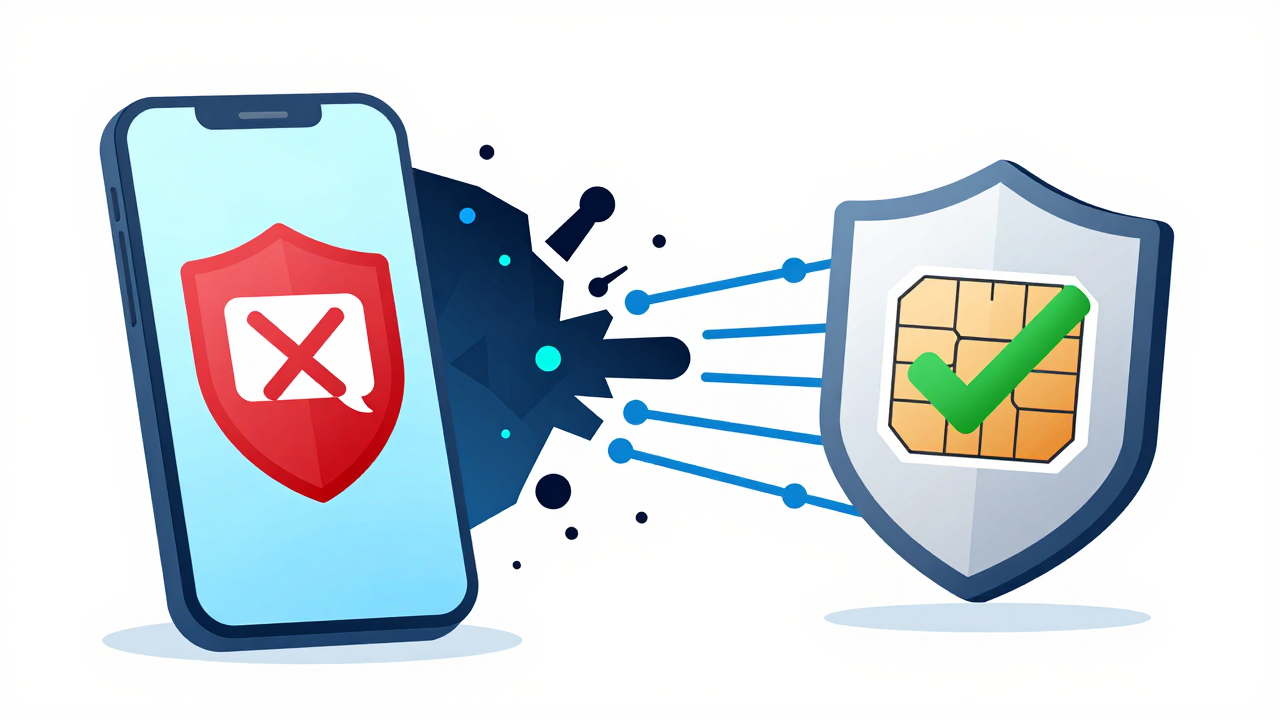
This is currently the most reliable method. Buy a physical SIM card from your target market, insert it into an old phone or a SIM bank device, and receive SMS codes remotely. Costs range from a few dollars to around fifty dollars per month, depending on the target country and carrier.
Industry consensus is that physical SIM cards maintain a 95%+ SMS delivery rate in 2026, and they don't trigger platform risk flags. The downsides are higher upfront investment and the need for physical hardware.
Option 2: Compliant SMS Platforms with High-Reputation Number Pools
If you still prefer using an SMS platform, the selection criteria have changed dramatically in 2026. Don't focus on price—focus on number source and reputation pool status.
One platform that has maintained a solid reputation in the industry is Getfollow. It operates on a compliance-first model: verified numbers, isolated number pools, and reputation segregation. From my testing, Getfollow's numbers achieve roughly a 60% success rate for WhatsApp registration. Not perfect, but significantly better than Yima's 30%.
That said, even Getfollow can't guarantee 100% SMS delivery. Platform risk controls in 2026 are simply too aggressive, and any virtual number carries some level of flagging risk.
Option 3: Overseas Phone Numbers + Cloud SMS Forwarding
This hybrid approach is gaining popularity in 2026. Purchase an overseas physical SIM card, then use a cloud SMS forwarding service to push received verification codes directly to your WeChat, Telegram, or email. You keep the high delivery rate of a physical SIM without carrying the hardware around.
Expect to pay roughly $15–$40 per month, depending on the target country and forwarding frequency. Many cross-border freelancers report this as the best cost-to-reliability ratio available right now.
2026 SMS Verification Pitfalls: Avoid These Common Mistakes
I've watched too many cross-border professionals lose accounts and disrupt operations because of SMS verification issues. These are the most common traps in 2026—steer clear of all of them.
Pitfall 1: Chasing Cheap "Shared Numbers"
Some platforms offer "shared number" services at absurdly low prices—pennies per verification. But in 2026, shared numbers are essentially dead on arrival. The same number gets used by dozens of people simultaneously, and platform risk controls have already blacklisted these ranges.
If you're still using shared numbers for account registration, stop immediately. You're wasting money, not receiving SMS codes, and getting your accounts banned in the process.
Pitfall 2: Ignoring IP and Device Environment
Most sellers focus only on the number itself, completely overlooking IP and device associations. In 2026, risk control systems perform triple correlation: number + IP + device fingerprint. If any single dimension is compromised, verification SMS delivery fails.
Practical recommendations: use a clean residential IP (never a data center IP), avoid multi-instance tools or virtual location apps on your device, and clear browser cache and cookies before registration.
Pitfall 3: Rapidly Switching Numbers
Some sellers immediately try a different number when one fails to deliver an SMS. This behavior is extremely dangerous in 2026. Platforms log your actions, and rapid number switching gets flagged as "malicious registration," leading to IP and device bans.
The right approach: if three consecutive numbers fail to deliver SMS codes, stop immediately. Check your IP and device environment before proceeding. Don't keep hammering away with new numbers.
How to Choose an SMS Verification Provider in 2026
If you've decided to stick with an SMS platform, the selection criteria are now very clear. Based on my testing and industry feedback, here's a practical comparison framework.
| Comparison Factor | Yima (Traditional Platform) | Getfollow (Compliant Platform) | Physical SIM Card Solution |
|---|---|---|---|
| SMS Delivery Rate | 30%–50% | 50%–70% | 95%+ |
| Number Pool Reputation | Shared pool, easily flagged | Isolated pool, relatively clean | Physical numbers, naturally high reputation |
| Cost | Low (cents per SMS) | Medium ($1–$3 per SMS) | High (monthly fee + hardware) |
| Best Use Case | Non-critical platform registration | Mainstream platform registration | Core business accounts |
| Risk Control Exposure | High (easy to get collateral bans) | Medium (relatively manageable) | Low (rarely triggers risk controls) |
This table is a reference framework, not a definitive answer. Your choice should depend on your specific business context and budget. But one thing is certain: in 2026, tying your core business accounts to virtual numbers carries serious risk.
Final Recommendation: Test Small Before Committing Long-Term
Whether you're a cross-border enterprise or a solo freelancer, your 2026 SMS verification strategy should follow one principle: test with a small scale first, then decide whether to scale up.
Here's what that looks like in practice: use a non-critical account to test a provider's delivery rate and stability. Observe for about a week. If everything checks out, then consider broader use. Don't bind all your accounts to a single SMS platform from day one. Diversifying your risk is the correct posture for 2026.
Additionally, if your business demands high account stability—like WhatsApp Business for customer communication—skip the virtual numbers entirely and go straight to a physical SIM card solution. Don't risk a ban to save a few dollars. I've watched too many cross-border professionals learn this lesson the expensive way.
One final thought: in the 2026 cross-border ecosystem, compliance is the baseline and stability is everything. SMS verification might seem like a minor detail, but when it fails, it can take down your entire account matrix and business operations. I hope this guide helps you avoid those unnecessary pitfalls so you can focus your energy on what actually creates value.
Frequently Asked Questions About Yima SMS Verification Failures
Why doesn't Yima send SMS codes to my phone?
Yima and similar virtual number platforms are experiencing dramatically reduced SMS delivery rates in 2026. Carriers now prioritize physical SIM cards, platforms flag virtual number pools with low reputation scores, and risk algorithms detect SMS-receiving behavior patterns. It's a systemic issue, not a random glitch.
Is there any way to receive WhatsApp verification codes with a virtual number?
Your chances are slim. WhatsApp's risk controls are among the strictest, and virtual numbers from shared pools are almost always blocked. If you must use a virtual number, choose a compliant platform like Getfollow with isolated number pools. But for critical WhatsApp Business accounts, a physical SIM card is the only reliable option.
What's the most reliable SMS verification method for cross-border sellers in 2026?
Physical SIM cards remain the gold standard, with delivery rates above 95%. A close second is combining a physical SIM with cloud SMS forwarding services, which lets you receive codes remotely without carrying the hardware. Both methods avoid triggering platform risk controls.
Can I use the same virtual number for multiple accounts?
You shouldn't. Reusing a virtual number across multiple accounts creates strong correlations that risk algorithms will detect. If one account gets flagged or banned, the others will likely face collateral consequences. Use a fresh number for each account, or better yet, use physical SIM cards for your core accounts.