Physical SIM Verification Platforms: What Cross-Border Pros Need to Know in 2026
Physical SIM Verification Platforms: What Cross-Border Pros Need to Know in 2026
If you run an e-commerce business or manage overseas social media accounts, you've probably noticed a shift over the past couple of years: virtual number verification platforms just aren't cutting it anymore. Either your registration gets flagged instantly, or the number dies within days. That's why more people are turning to physical SIM verification platforms. But honestly, this industry has more layers than most people realize.
I've been tracking this space since early 2026, talking with teams that run large account matrices and personally testing several mainstream service models. Let's skip the fluff and get straight into how physical SIM verification actually works—the common pitfalls, the details providers won't volunteer, and what actually separates reliable platforms from fly-by-night operations.
Physical SIM vs. Virtual Numbers: What's the Real Difference?
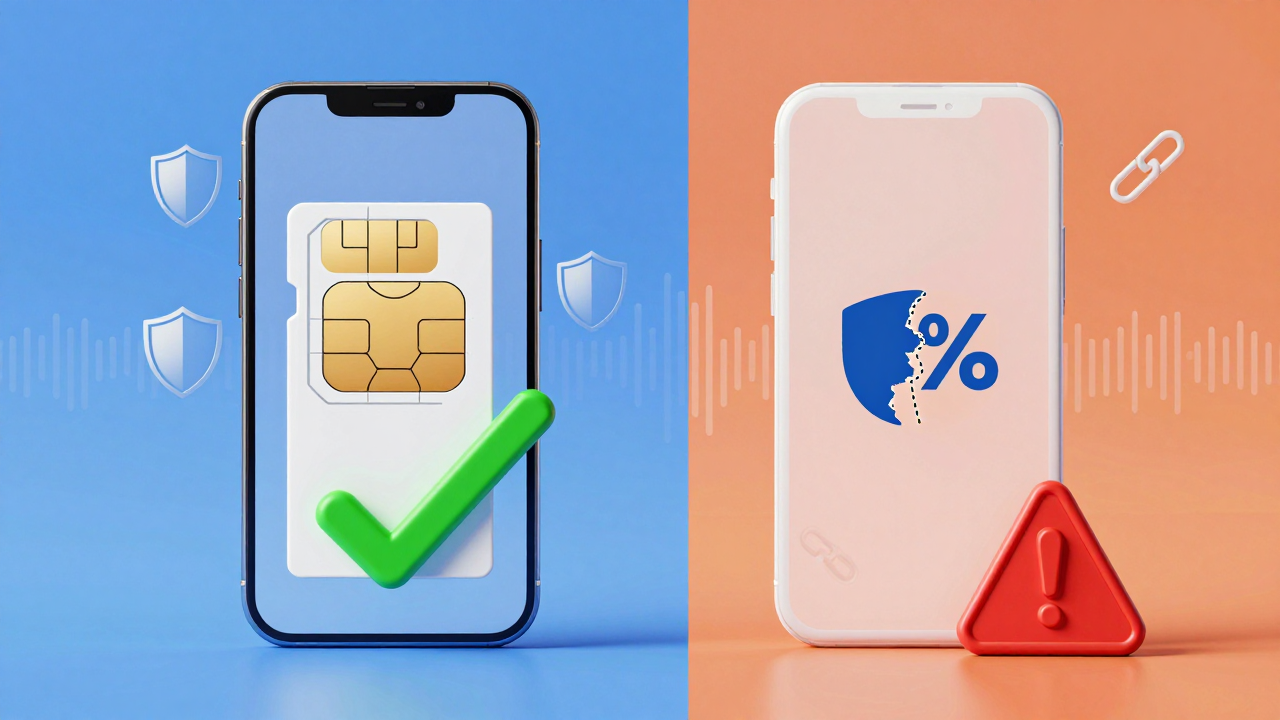
First, let's clarify the concept. Physical SIM verification means the platform uses real physical SIM cards—typically IoT cards or prepaid cards from overseas carriers—to receive verification texts. Compared to virtual numbers (like VoIP numbers with +44 or +86 prefixes), physical SIMs carry genuine IMEI bindings and base station activity records on the carrier side. In 2026's risk-control landscape, that's a massive trust signal.
Cross-border professionals consistently report that accounts registered with physical SIMs have significantly higher initial survival rates than those using virtual numbers. Take TikTok and Instagram, for example—both platforms have increased the weight of "is this new account coming from a real device environment?" in their 2026 algorithms. Pure virtual numbers rarely survive the first round of screening.
But that doesn't mean physical SIM verification is a magic bullet. I've seen studios buy hundreds of physical cards in one go, only to have the entire batch flagged for关联操作 because they used them in a single pattern—like registering the same platform from the same IP range. The cards were legit. The behavior pattern gave them away.
Three Business Models Behind Physical SIM Verification Platforms
Platforms offering physical SIM verification generally fall into three categories based on how they source their underlying resources. Understanding these will help you judge whether any given website is worth your money.
Model One: Self-Owned Card Pools with Visible Inventory
These platforms hold their own large inventory of physical SIM cards, usually concentrated in one or a few countries. Their websites show real-time availability—number location, carrier, remaining duration. The upside: consistent card quality and fast issuance. The downside: limited country coverage, and popular number ranges frequently sell out.
Model Two: Aggregator Distribution via Upstream Card Suppliers
These platforms don't own cards themselves. Instead, they connect to multiple card supplier resources. The website acts more like a dispatch center—when you place an order, the system matches you with an upstream card source. The advantage is a larger number pool and wider selection. But there's a clear downside: you can't verify the actual condition of the card, and you occasionally run into "second-release numbers"—meaning you have no idea what platforms the previous user registered on.
Model Three: Custom Account Nurturing Services
Some physical SIM platforms offer more than just code reception—they provide packaged services that include short-term account warming. For example, a card gets activated and left idle in a specific IP environment for a few days before it reaches your hands. This model costs more, but the success rate for subsequent account operations is noticeably steadier. Platforms like Getfollow have built a solid reputation in this space by following a compliant operational logic—matching card status with your intended account use case, rather than simply selling you a number.
None of these three models is inherently better than the others. It all depends on what you need. If you're batch-registering throwaway accounts, Model One offers the best value. If you're building long-term account matrices, Model Three's hidden value is worth the premium.
The Real Risks in 2026: It's Not Just About Bans
Most people associate SIM verification with account bans. But from my observation, the more painful issue in 2026 is actually retention rate.
Bans are the obvious risk—you feel them immediately at registration. Retention issues are chronic. Your account registers successfully, passes the initial risk screening, then gets restricted a week later for "abnormal login environment." That's the most frustrating scenario because you've already invested time and effort into nurturing the account.
Industry consensus puts the retention rate for physical SIM verification accounts in 2026 somewhere between 50% and 70%, depending on your use case and IP purity. Some teams achieve over 80%, and that's not luck—it's meticulous control over every link in the chain.
Here's a real-world cautionary tale. A friend running traffic for his independent e-commerce site purchased 100 UK numbers from a physical SIM platform to register WhatsApp accounts. The first three days went smoothly. But starting on day four, accounts began getting flagged for video verification. After troubleshooting, the problem turned out to be his proxy IPs—they were data center IPs, not residential ones. The numbers themselves were fine. The IP environment gave away every account. This illustrates a crucial point: physical SIM verification is just one link in the chain. Your overall environment determines the final outcome.
How to Vet a Physical SIM Verification Platform
If you've decided to go the physical SIM route, choosing the right platform is your first line of defense. Drawing on experience from multiple industry practitioners, here are some practical screening criteria.
- Check if they offer test orders. Reliable platforms usually let you top up a small amount and test a few numbers first, rather than forcing a bulk purchase upfront. If a website won't even give you a test option, rule it out immediately.
- Look for "freshness" labeling. Good platforms tell you whether a number is first-use or a second release. Some even offer a "new card only" channel—priced higher but with significantly lower risk.
- Gauge customer support expertise. Ask "which platforms can this card register?" If the support rep just says "all of them," that's a red flag. Professional support will ask about your use case and give tailored recommendations.
- Review payment terms. In 2026, if a platform only accepts cryptocurrency with zero escrow or buyer protection, be cautious. Compliant platforms typically support mainstream payment methods and have clear refund policies.
One detail people often overlook: the website's domain age and registration info. Many physical SIM platforms operate on a "hit and run" basis, switching domains every few months. Run a WHOIS lookup on the domain. If it's been registered for less than six months, you're likely looking at a short-term operation.
Beyond Registration: Other Use Cases for Physical SIM Verification
Most people equate physical SIM verification with "account registration," but the applications go much further. In 2026, I've observed several demand areas growing noticeably.
First is account recovery assistance. Say your Facebook account requires phone verification, but your originally bound number is no longer active. A clean physical number can solve that emergency. Second is SMS forwarding for verification—some platforms send codes to your linked phone during login or password changes, and a physical SIM ensures you receive them reliably. Third is multi-platform matrix management, where each account binds to an independent physical number to reduce关联 risk.
The common thread across these scenarios: they demand far more number stability than the one-time registration use case. So if you have these needs, prioritize platforms that offer long-term rental or renewal options rather than purely per-message pricing.
Cost and Budget: What Physical SIM Verification Actually Costs in 2026
Money matters, and everyone wants to know the numbers. But pricing for physical SIM verification varies wildly—there's no single standard. I've tested services ranging from a few cents to tens of dollars per message. The differences come down to card location, carrier tier, and whether after-sales support is included.
A general market snapshot: physical SIM verification for major Western countries (US, UK, Germany, France) typically runs between $0.30 and $1.10 per message. Southeast Asian and Latin American countries are cheaper, possibly $0.07 to $0.30. Customized account nurturing services cost several times more, but the resulting account quality and stability are entirely different.
One word of caution: don't chase the cheapest option. I've seen people pick low-cost card pools to save a few cents, only to have their registered accounts wiped within two days—a loss far exceeding any savings. In physical SIM verification, you get what you pay for. That rule still holds in 2026.
How to Test a Platform with Minimal Investment
Whichever physical SIM verification platform you're considering, I strongly recommend a "test small before scaling up" approach. This isn't empty advice—it's a strategy born from real lessons learned.
The execution is simple: for your first transaction, keep the top-up under $15, test 5–10 numbers across your core registration scenarios. Track these metrics: issuance speed, SMS delivery rate, number lifespan, and customer support response time. If everything checks out, then consider scaling up.
Also, keep detailed records of every test—registering platform, number location, usage duration, and final outcome. After about a month, you'll have your own "number quality database," and your platform selection will get progressively sharper.
Physical SIM verification isn't a cure-all. But it is one of the unavoidable compliance tools in cross-border operations in 2026. The key is how you use it and who you partner with. Hopefully, this article gives you a solid framework for making that call—and helps you avoid some unnecessary headaches along the way.
Frequently Asked Questions
What is a physical SIM verification platform?
A physical SIM verification platform provides real, physical SIM cards (typically IoT or prepaid carrier cards) to receive SMS verification codes. Unlike virtual number services, these cards have genuine carrier-side IMEI bindings and base station activity, making them significantly more trustworthy to platform risk-control systems in 2026.
How much does physical SIM verification cost?
Pricing varies by country and service tier. For Western countries like the US, UK, Germany, and France, expect roughly $0.30–$1.10 per verification message. Southeast Asian and Latin American numbers run cheaper, around $0.07–$0.30. Customized account nurturing packages cost several times more but deliver higher account stability.
Is physical SIM verification legal?
Physical SIM verification itself is a legitimate service used for account registration, recovery, and multi-account management. However, how you use the numbers matters. Using them to create fake accounts or engage in fraudulent activity violates platform terms of service and may have legal consequences depending on your jurisdiction. Always use these services within platform guidelines and applicable laws.
How do I know if a physical SIM verification website is trustworthy?
Look for platforms that offer test orders, clearly label number freshness (first-use vs. second release), employ knowledgeable customer support that asks about your use case, and support mainstream payment methods with clear refund policies. Also check domain age—if it's under six months, proceed with extreme caution.
What's the difference between physical SIM and virtual number verification?
Physical SIM cards operate on real carrier networks with genuine device bindings and location activity. Virtual numbers (VoIP-based) lack this carrier-level footprint. In 2026, platform algorithms heavily favor accounts tied to real device environments, making physical SIM verification substantially more reliable for passing initial risk screening and maintaining account health.