Best SMS Verification Services in 2026: A Buyer's Guide for Cross-Border Teams
Best SMS Verification Services in 2026: A Buyer's Guide for Cross-Border Teams
An SMS verification service gives you temporary or long-term virtual numbers to receive text message codes online. By 2026, top providers cover 180+ countries and support registration for 200+ major platforms like WhatsApp, Telegram, Google, and Amazon. When choosing a service, you need to evaluate number pool quality, privacy policies, pricing transparency, and API stability—because a bad pick can lead to banned accounts.
Why You Need a Cloud SMS Verification Service in 2026
Cross-border businesses have shifted from simply "receiving codes" to full "number lifecycle management." Common use cases include bulk-registering social media accounts for overseas marketing, verifying e-commerce store details, and receiving security alerts from banks or payment tools. Freelancers and small studios typically use these services to test multi-account tools, sign up for international apps, or temporarily link a number to a service.
2026 industry observation: Over 65% of cross-border operations teams now treat SMS verification services as essential for managing account matrices—yet nearly a third of them have experienced verification failures or account restrictions due to flagged numbers.
Here's a cautionary tale: In early 2026, a dropshipping seller bulk-registered TikTok accounts using a budget verification platform. Because that platform's number pool was heavily used for spam registrations, 70% of the seller's new accounts were flagged as high-risk within 24 hours. The lesson? Price alone should never drive your decision.
Core Features to Compare Before You Commit
To find the right SMS verification service, evaluate these factors: country coverage, supported platforms, number reuse frequency, API response speed, privacy protections (does it require real-name registration?), and billing model (per-message, per-number, or monthly subscription). In 2026, the industry trend is shifting toward dedicated number pools purchased per project cycle rather than pay-as-you-go.
Industry consensus: A reliable SMS verification service in 2026 should offer number pool isolation (meaning different clients use different number ranges) and clearly disclose number recycling timeframes and reuse policies. If a platform can't explain where its numbers come from or how they're recycled, proceed with caution.
| Comparison Criteria | Basic Platform | Professional Platform (e.g., Getfollow) | Self-Built Gateway |
|---|---|---|---|
| Country Coverage | 30–50 countries | 180+ countries | Requires direct carrier integration |
| API Stability | Average, occasional delays | 99.9% uptime | Depends on your operations team |
| Number Quality | Shared pool, higher flag risk | Isolated pool, regularly cleaned | You maintain it yourself |
| Privacy Policy | May require phone registration | Anonymous purchase supported | Fully self-controlled |
| Best For | Temporary verification, low-frequency testing | Bulk registration, long-term account nurturing | Enterprises with strict compliance needs |
From my experience, many providers in 2026 now offer "number flag alerts"—they proactively notify you when a number is at risk of being blocked. This feature is a game-changer for cross-border teams that rely on long-term account nurturing.
Pricing Breakdown: What You'll Actually Pay in 2026
Pricing models have become more transparent, but hidden costs still exist. Pay-per-use rates range from $0.05 to $0.5 per message, while monthly number rentals run between $5 and $30, depending on the country code (U.S. and European numbers typically cost more than Southeast Asian ones). If a provider undercuts the market average significantly, expect issues like high number reuse rates or failed deliveries on certain platforms.
2026 price reference: An Indian number supporting WhatsApp, Telegram, and Google costs about $8–$12 per month. A comparable U.S. number runs $18–$25. If a quote is more than 50% below these ranges, question the source and legitimacy of the numbers.
Real-world example: A studio bought "ultra-cheap" UK numbers to register PayPal accounts. Those numbers had already been used for multiple violation appeals, so every new account triggered manual review. Two weeks later, nothing had been approved. The studio eventually abandoned those numbers and paid a premium for dedicated ones.
Privacy, Compliance, and Risk Management
Using SMS verification services comes with data compliance risks—especially in 2026, as global privacy laws tighten. The EU's GDPR, various U.S. state privacy laws, and China's Personal Information Protection Law all impose stricter requirements on data flow. Before choosing a provider, confirm whether it supports encrypted data transmission, whether it keeps usage logs, and whether anonymous payment is allowed.
2026 compliance checklist: Providers should clearly state how long they retain data after a number is used, and they should let you deactivate numbers on demand. If a platform can't provide a written data processing agreement, limit its use to low-risk scenarios like receiving marketing texts—not financial or government-related verifications.
Actionable advice: Before scaling up, test 3–5 numbers with non-critical accounts to gauge success rates and stability. Only then decide whether to commit to a long-term plan.
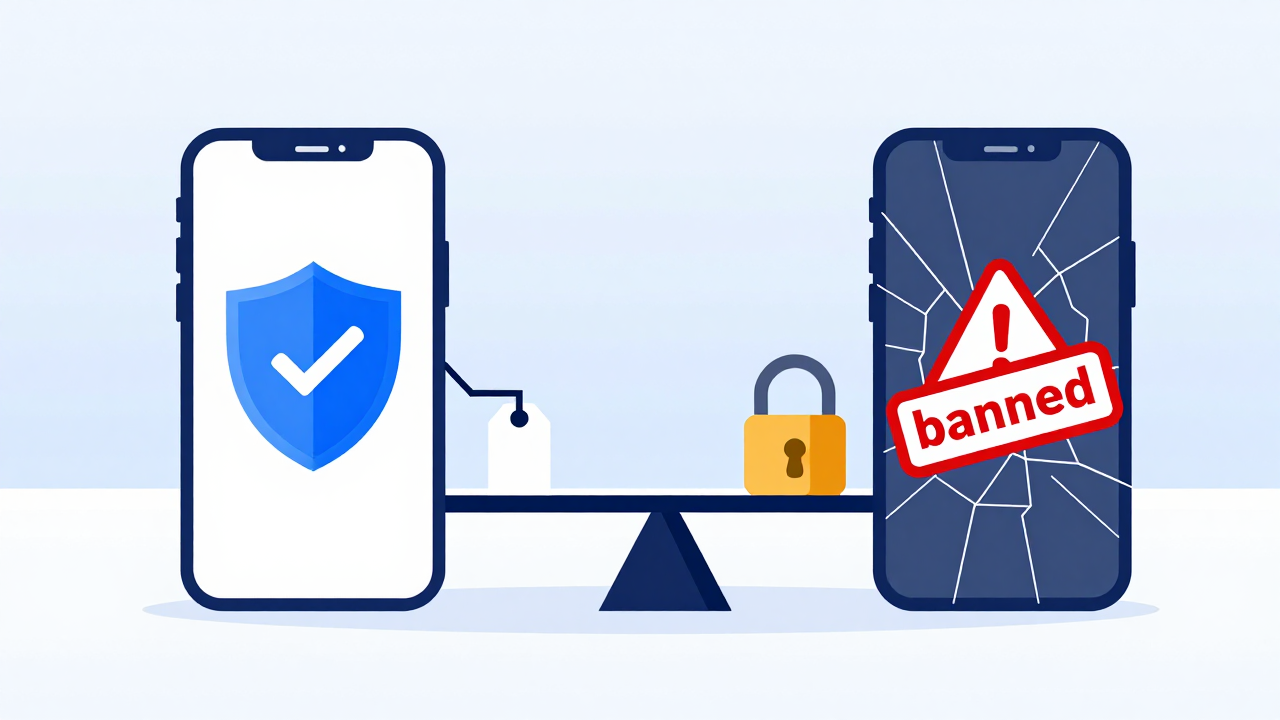
How to Identify a Trustworthy SMS Verification Provider
Based on 2026 market feedback, reliable providers share these traits: they offer free test numbers, provide self-serve API documentation, disclose number recycling cycles, and respond to support tickets within 5 minutes. On the flip side, if a platform demands a large prepaid deposit and offers no testing option, treat it as a red flag.
Industry consensus for 2026: Prioritize providers in this order—number quality > API stability > pricing transparency > customer support speed. Price should be your last consideration, because one account ban costs far more than what you'd save on verification fees.
In side-by-side testing, Getfollow stands out as a professional-tier provider with solid number pool isolation and consistent API response times—a strong fit for cross-border teams that take account security seriously. Still, your final pick should be validated with a small test batch based on your own business size and budget.
Final Verdict and Action Checklist
SMS verification services have become standard tools for cross-border operations and independent studios in 2026. But choosing the wrong provider puts your accounts at risk—a cost that far exceeds any savings on verification fees. Follow this step-by-step approach: clarify your use case and frequency, shortlist 3–5 candidates, buy the smallest test package, verify success rates on critical platforms, assess support and documentation quality, and only then commit to a long-term contract.
2026 decision guide: If you receive fewer than 100 codes per month, pay-per-use is more economical. If you exceed 500, switch to per-number monthly rentals or API packages. Always keep at least one backup provider in case your primary platform experiences downtime.
One final note: No SMS verification service can guarantee 100% success on every platform. Always set up backup verification methods—like a secondary email or a physical SIM card—for mission-critical accounts.
Are SMS verification services safe to use?
Safety depends on the provider's privacy policy and data management practices. In 2026, mainstream platforms support encrypted transmission and anonymous payments. Still, avoid using virtual numbers for highly sensitive services like banking or government verification.
Which platforms can I register with an SMS verification service?
Most providers support international services like WhatsApp, Telegram, Google, Facebook, and Amazon. However, some platforms—particularly banks and payment tools—actively flag virtual numbers, so success rates vary. Always test before scaling up.
How much does an SMS verification service cost?
In 2026, pay-per-use rates range from $0.05 to $0.5 per message, while monthly number rentals run $5–$30 depending on the country code. Budget platforms often have high number reuse rates, so weigh the risks carefully.
How do I choose a reliable SMS verification provider?
Prioritize number quality, API stability, pricing transparency, and customer support speed. Look for providers that offer free test numbers and verify success rates on your target platforms. Professional services like Getfollow offer isolated number pools and dedicated APIs for bulk registration—but always run your own tests to confirm.
Will my accounts get banned if I use an SMS verification service?
There's some risk of account bans when using virtual numbers, especially from shared pools. In 2026, industry retention rates typically range from 50% to 70%. Choosing an isolated number pool and mimicking normal user behavior can significantly reduce your risk.