US Paid SMS Verification in 2026: The Compliance Choice Cross-Border Businesses Can't Ignore
US Paid SMS Verification in 2026: The Compliance Choice Cross-Border Businesses Can't Ignore
After years working in cross-border e-commerce, I've learned that the most essential tool in my arsenal isn't WhatsApp—it's a dependable way to receive US verification codes. By 2026, platform risk-control algorithms have gotten so sophisticated that free SMS verification platforms have basically become graveyards of dead accounts.
Let's cut straight to the chase and talk about paid US SMS verification services. I'll walk you through the unspoken rules of this industry and the real-world failures I've witnessed firsthand.
Why Free SMS Verification Platforms Are Failing in 2026
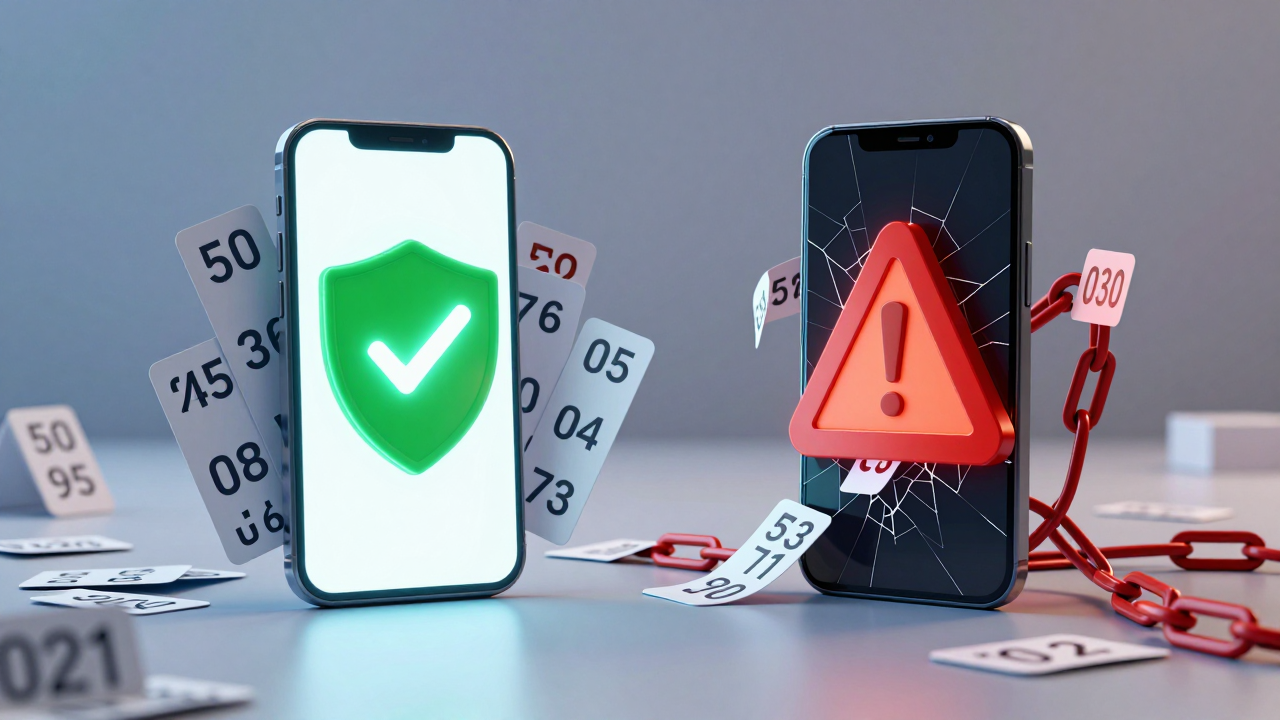
Most solo entrepreneurs starting out instinctively look for free platforms first. I get it—cost sensitivity is real. But industry consensus is clear: free verification services have hit alarmingly low success rates in 2026.
I tested several popular free sites myself. When registering TikTok or Amazon seller accounts, fewer than three out of ten numbers actually received the verification code. And even when the code arrived, the account would almost certainly get locked during secondary verification or a risk-control review three days later.
The root cause? Free number pools have been abused so repeatedly that platform algorithms now flag them as high-risk IP segments. Your business gets branded as "suspicious" before it even launches—which is worse than getting banned outright.
What Are You Actually Paying For?
People often ask: it's just receiving a text message, why should it cost money? The truth is, the real costs go far beyond a single SMS.
- Number inventory maintenance: US physical SIM cards or cloud numbers carry significant procurement costs, and they require ongoing "nurturing" to stay clean.
- Risk-control countermeasures: Platform algorithms update constantly in 2026. Providers must continuously adjust their technical strategies just to keep numbers from being blacklisted wholesale.
- Reliability guarantees: Paid platforms typically promise "refund on failure" or "number replacement on retry"—that's real operational expense behind those promises.
From my experience, any site still offering free SMS verification in 2026 is either a phishing operation or using your account registrations to "nurture" numbers for other shady purposes. The risk simply isn't worth it.
What You're Really Buying Is Success Rate, Not a Number
If you think of paid US SMS verification as simply "paying for a text message," you'll likely choose the wrong provider. What actually matters is the purity of the number and how well the provider isolates number reuse.
I watched a friend in cross-border e-commerce buy a bargain-bin number for a few cents to register a PayPal business account. The registration went through, but the next day his account was restricted from receiving payments—flagged for "association with a high-risk environment." He spent two weeks submitting documentation to get it lifted. The time he lost was worth far more than the pennies he saved.
Here's a key detail most people miss: by 2026, leading providers have adopted a "one number, one account" isolation strategy. Each US number serves exactly one customer, then gets retired or fully recycled. This eliminates the "guilt by association" problem at the source.
In the current market, platforms like Getfollow have built a solid reputation using exactly this compliance-first approach. They don't chase raw number volume—they focus on strict quality control of their number pools. The unit price runs slightly higher, but the peace of mind is worth every cent.
How to Vet a Paid SMS Verification Provider
Don't just compare prices or trust the marketing. Here are three practical tests you can apply:
- Do they offer automatic number replacement on failure? If not, their technical capability is questionable.
- Do they disclose the number's specific state or city? Some business use cases require location-matched numbers. If they're vague, walk away.
- How fast does support respond? It's 2026—if customer service still runs a ticket system with 48-hour response times, drop them immediately.
A common pattern I see among experienced cross-border operators: the truly reliable providers never advertise "100% success." Instead, they'll honestly tell you which platforms have tightened their risk controls and which time slots see fluctuating success rates. That kind of candor is a far better predictor of a good long-term partnership.
The 2026 Market: Service Tiers and Pricing Logic
The US paid SMS verification market has clearly stratified by now. At the bottom, you have "blind box" services costing a few cents—pure gambling. In the middle, dedicated-line services run a few dollars and suit solo operators. At the top, exclusive numbers cost tens of dollars or more, designed for enterprise-scale bulk operations.
There's a widespread misconception that pricier always means better. That's not true. If you only need to register two or three accounts, buying premium exclusive numbers is a waste of money. Conversely, if you're operating at scale, don't skimp on those few extra dollars—losing one account to a ban costs far more.
My recommended approach is small-batch testing. No matter how impressive the sales pitch, spend a modest amount on two or three numbers first. Register your most-used platforms and monitor them for a week. If the accounts stay healthy, then consider a long-term arrangement.
This measured strategy matters more than ever in 2026, because today's risk-control systems don't just check registration signals—they track behavior over time. A number's true cleanliness often only surfaces days or even weeks later.
Here's the honest bottom line: paid US SMS verification is really about buying certainty. In cross-border business, certainty will always beat cheap. I hope this guide helps you make a smarter choice and avoid the pitfalls I've seen too many people fall into.
Frequently Asked Questions
Is paid US SMS verification legal?
Yes. Using a US phone number to receive verification codes is a standard practice for legitimate business registration and account setup. The key is choosing a provider that operates with proper compliance—clean number sourcing, transparent terms, and data protection. Always review the provider's terms of service to ensure your use case aligns with their policies.
What's the difference between virtual numbers and physical SIM cards for verification?
Physical SIM cards are tied to real US carriers and generally carry higher trust scores with platform algorithms. Virtual numbers (cloud-based) are cheaper and faster to provision but may face stricter scrutiny. In 2026, most reputable paid services use a mix, with physical SIMs reserved for high-risk platforms like PayPal or Amazon seller central.
Can I use the same US number for multiple accounts?
Technically possible, but strongly discouraged. Platform algorithms detect number reuse across accounts and will flag them as linked. This can trigger cascade bans where one flagged account takes down all associated accounts. Professional services enforce strict one-number-per-account isolation to prevent this.
How much should I expect to pay for a reliable US verification number?
Pricing varies by service tier. Budget options start around $0.50–$1 per number but carry higher failure risk. Dedicated-line services typically range from $3–$10 per number. Premium exclusive numbers for enterprise use can cost $20–$50 or more. For most individual operators, the mid-tier dedicated service offers the best balance of cost and reliability.
What should I do if my account gets flagged after using a paid verification service?
Act quickly but calmly. Contact the platform's support with your registration details and any proof of legitimate business intent. Simultaneously, reach out to your SMS provider—reputable services have experience with platform appeals and can often provide evidence of number cleanliness. Avoid creating new accounts with the same number while an appeal is pending, as this can worsen the situation.