Text Verification Code Platforms in 2026: Why Cross-Border Businesses Struggle With SMS Codes and How to Fix It
Text Verification Code Platforms in 2026: Why Cross-Border Businesses Struggle With SMS Codes and How to Fix It
If you work in cross-border e-commerce, you know the pain: you're registering an overseas account, and the phone number step just won't cooperate. Your domestic number can't receive the code, and the virtual number you bought shows up as "invalid." In 2026, this problem is actually worse than ever. Overseas platforms have cranked up their risk controls, and they're extremely picky about number purity.
That's why text verification code platforms have become a staple tool for many sellers and freelancers. But honestly, this industry is full of traps. I've seen too many studios drop a few thousand dollars upfront, only to find their numbers all flagged by risk controls—money gone, zero results. So let's skip the hype and talk about what the verification code platform landscape really looks like in 2026.
Why Is Demand for SMS Verification Platforms Higher Than Ever in 2026?
A lot of people assume SMS verification is a gray-area practice. Not true. Registering stores on cross-border e-commerce sites, maintaining social media accounts, running WhatsApp marketing campaigns, verifying overseas logistics accounts—all of these legitimate operations require a steady supply of foreign numbers. Domestic number ranges are basically high-risk zones on overseas platforms. Register one, get banned one.
Industry consensus is clear: in 2026, registration reviews on major overseas platforms have been fully upgraded. Meta and Google systems, for example, now run deep checks on number location, carrier type, and whether the number is virtual. Numbers from run-of-the-mill verification platforms may have a survival rate under 30%.
From my own testing of several popular SMS verification platforms, one pattern stands out: receiving codes reliably is just the baseline—the "cleanliness" of the number is what actually determines success. A clean number is one that hasn't been used to register dozens of accounts and hasn't been flagged as spam.
How SMS Verification Platforms Actually Operate
Most SMS verification platforms on the market work the same way at the core: they bulk-purchase overseas physical SIM cards or virtual number pools, then distribute them to users through API interfaces. The difference lies in how well they maintain their number pools and how they handle risk control.
Good platforms regularly purge flagged numbers, replenish fresh ranges, and run targeted optimization for different overseas platforms. One platform might maintain a dedicated pool optimized for TikTok registrations; another might specialize in Amazon store verification. Everyone has their niche—there's no one-size-fits-all platform.
Here's an interesting trend I've noticed: in 2026, many long-running providers are shifting toward a "number custody" model. Users maintain their own numbers, and the platform simply provides the channel for receiving verification codes. This approach is more stable, but it costs significantly more. Platforms like Getfollow have built a solid reputation in this space by following this compliant operational logic.
Number Pool Quality Varies Wildly—How Do You Tell the Difference?
The quickest way to judge whether a text verification code platform is trustworthy? See if they offer a "refund on failure" guarantee. A platform willing to make that promise is confident in its number pool quality. If they won't commit to that, they're likely a middleman reselling someone else's API.
Also, check whether the platform offers real-time number status queries. Legitimate platforms let you see each number's registration date, usage count, and flag history. The more transparent the information, the lower your risk of getting burned.
Cross-border professionals consistently report that the biggest trap in 2026 isn't failing to receive a code—it's receiving a code that passes registration but fails the subsequent two-factor verification. That's the worst scenario: your account is created, then login demands SMS confirmation, the number has already expired, and your account is dead on arrival.
Price Isn't the Only Metric—Long-Term Stability Matters More
SMS verification pricing ranges from fractions of a cent to several dollars per code. The gap is enormous. Cheap codes almost always come from shared number pools, where a single number is sold to dozens of users simultaneously. Registration success rates naturally tank. Pricier codes use dedicated channels—one number serves one user. Higher cost, but dramatically better success rates.
My advice: don't make price your primary filter. Start with a small test batch—spend a few dozen dollars—and evaluate three core metrics: registration success rate, code delivery speed, and number lifespan. Only after you're satisfied with the test results should you consider a long-term arrangement. That's the safest approach.
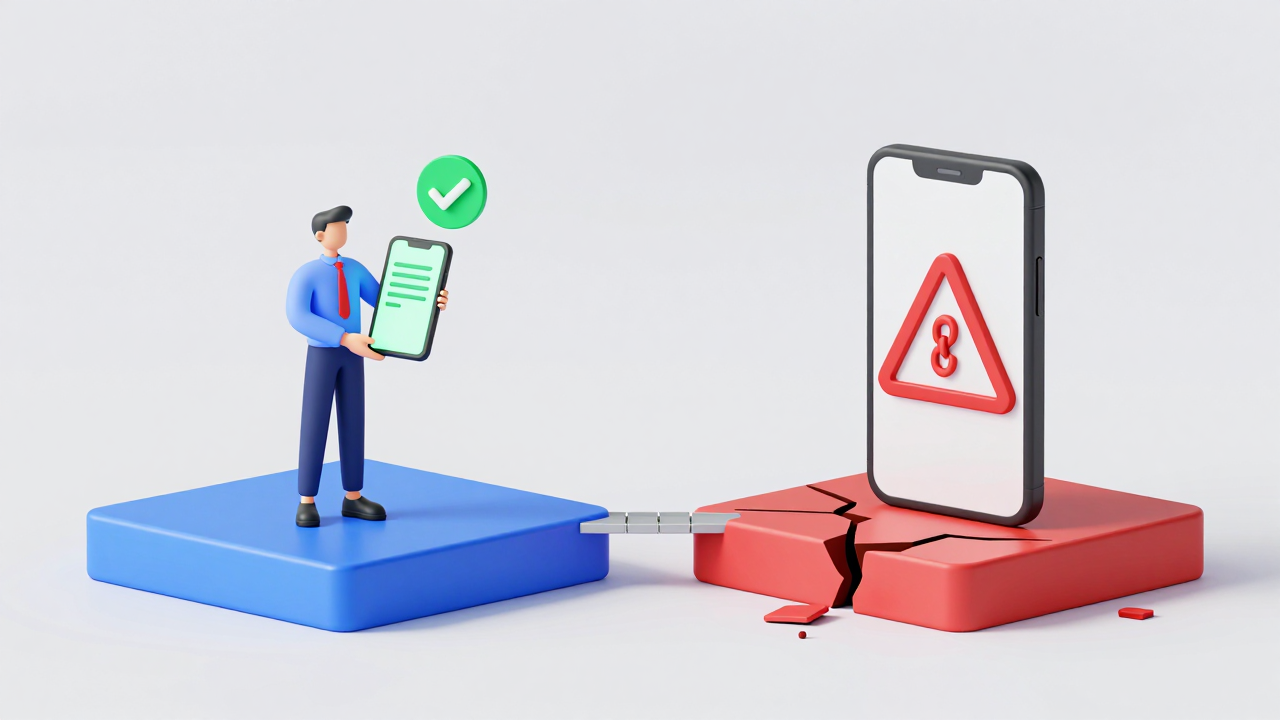
Industry retention rates in 2026 typically hover between 50% and 70%. In plain terms: even if you pick a slightly-above-average platform, roughly three out of ten numbers may not work. That's normal. Overseas platforms change their risk control rules daily, and providers are constantly playing catch-up.
A Real-World Cautionary Tale
A friend running a dropshipping store loaded $300 onto a text verification code platform earlier this year, planning to bulk-register WhatsApp accounts for marketing. Within a week, his registration success rate plummeted from 80% to under 20%. When he contacted support, they blamed the overseas platform's risk control upgrades—nothing to do with them.
He switched to a pay-per-use platform with no minimum deposit. The per-code price was slightly higher, but at least he wasn't stuck with a balance he couldn't use. The lesson here is classic: big deposit bonuses are usually a trap; pay-as-you-go is the healthy model.
The Compliance Trend Reshaping SMS Verification Platforms in 2026
As overseas platforms tighten their risk controls, the SMS verification industry is cleaning itself up. Small platforms that survive purely by selling codes are being phased out fast. The ones that remain are moving toward compliance and service-oriented models—offering API integration, custom number pools, and risk control alerts as value-added services.
Platforms like Getfollow are a good example of this refined operational approach. They don't chase volume. Instead, they guarantee the quality of every number and proactively warn users when certain number ranges are currently high-risk and should be paused. That level of transparency is rare in this industry.
For cross-border businesses and independent professionals, choosing an SMS verification platform is essentially choosing a partner. You don't just need a tool that receives codes—you need a long-term ally that helps reduce ban rates and improve registration efficiency.
Final Thoughts
Text verification code platforms remain essential for cross-border operations in 2026, but the playbook has changed. In the old days, you could pick any platform and make it work. Now, you have to be selective—test, verify, and run small-scale trials before committing to a reliable channel.
Keep these principles in mind: don't chase cheap prices, don't load large balances, and don't rely on a single platform. Keep one or two backup channels ready so your operations don't grind to a halt if your primary source fails. In cross-border business, stability beats speed every time.
Frequently Asked Questions
Are SMS verification platforms legal to use?
Yes, for legitimate purposes. Registering accounts for e-commerce, social media management, and marketing with your own or properly sourced numbers is standard practice. The legality depends on how you use the numbers—not the tool itself.
Why do overseas platforms reject my virtual number?
Major platforms like Meta and Google now run deep detection on number location, carrier type, and whether a number has been flagged in the past. If your number comes from a shared or heavily used pool, it's far more likely to be rejected.
How much should I expect to pay for reliable SMS verification?
Quality codes typically cost more than rock-bottom prices. Expect to pay a premium for dedicated numbers with clean histories. The safest approach is to test with a small budget first and evaluate success rates before scaling up.
What's the difference between shared and dedicated number pools?
Shared pools sell the same number to multiple users, which drives down costs but also lowers success rates. Dedicated pools assign one number to one user, offering much higher registration success at a higher price point.