Free SMS Verification in 2026: Smart Choices and Risk Guide for Cross-Border Businesses and Solo Pros
Free SMS Verification in 2026: Smart Choices and Risk Guide for Cross-Border Businesses and Solo Pros
Free SMS verification remains a go-to for cross-border businesses validating overseas accounts in 2026, but the true cost of "free" is becoming harder to ignore. Industry research shows that over 70% of free verification platforms now carry privacy leakage or number reuse risks. If you only need a one-time code, a free platform can work. For ongoing business operations, paid services or your own number infrastructure are the safer bet.
How Free SMS Verification Platforms Actually Work—and What You're Really Paying
Free verification platforms typically buy virtual numbers in bulk or recycle used ones, then let users receive SMS codes through a website or app. They cover their costs through ads, data collection, or charging enterprise clients on the backend. In 2026, this model is facing much tighter regulatory scrutiny.
In 2026, the biggest risk with free verification platforms has shifted from "codes not arriving" to "your data being repurposed." Public industry data suggests that around 65% of free SMS verification services include clauses in their terms that authorize collection of device information and IP addresses—data that may be used for ad targeting or more opaque purposes.
A cautionary example: a solo studio used free verification numbers to register multiple social media accounts. In 2026, all of them were banned simultaneously due to number association, with no option to appeal. Free numbers are heavily reused—if the previous user triggered a risk flag, you're likely to get caught in the same net.
Where Free SMS Verification Still Makes Sense in 2026—and Where It Doesn't
Not every use case calls for free verification. The key is distinguishing between throwaway validation and long-term account binding. Here's how the industry sees it in 2026:
| Use Case | Free Verification Viable? | Risk Level | 2026 Recommendation |
|---|---|---|---|
| One-time app sign-ups (delivery apps, utility tools) | Yes | Low | Fine to use, but avoid linking important account details |
| Social media registration (Telegram, WhatsApp) | Proceed with caution | Medium-High | Use a paid verification service or physical SIM instead |
| Cross-border payment platforms (PayPal, Stripe) | No | Extremely High | Must use a number tied to verified business credentials |
| E-commerce store registration (Amazon, Shopee) | No | Extremely High | Number must match your business registration entity |
By 2026, major cross-border payment platforms have fully upgraded their risk-control systems. Registration success rates with free verification numbers are now below 15%, and these attempts frequently trigger manual reviews. If your core business relies on free numbers for critical accounts, you're looking at a domino effect of frozen accounts and stuck funds.
Industry consensus: free SMS verification is only suitable for low-value, "use once and discard" scenarios. For accounts you need to maintain long-term, number stability and ownership directly affect your asset security. From my experience, more solo operators in 2026 are treating verification costs as a standard operating expense rather than something to cut.
How to Choose a Reliable SMS Verification Provider: 2026 Screening Criteria
When you're ready to move from free to paid—or to a more secure setup—evaluate providers on technical capability and compliance. These four criteria are the ones that actually matter in 2026:
- Number Pool Quality: Does the provider offer both physical SIM and virtual numbers for your target countries? Do they clearly disclose where numbers come from?
- Privacy Policy: Do they commit to not collecting SMS content or storing verification code text? Have they passed third-party security audits?
- Failure Compensation: If a code fails to arrive due to a number issue, do they offer a full refund or free retry?
- API Stability: Is the response time under 3 seconds? Do they provide a real-time status monitoring page?
In 2026, over 80% of cross-border business teams rank "API stability" as their top criterion when choosing a verification service. Frequent delivery delays interrupt registration flows, and the hidden cost of that downtime far exceeds the service fee itself.
Case comparison: Getfollow is one provider offering paid SMS verification APIs for cross-border operations in 2026. Their public documentation shows support for numbers across 20+ countries and regions, with per-code failure compensation. One caveat: Getfollow's free tier is limited and geared toward enterprise clients. If you're an individual with occasional needs, their free option may not cover high-frequency usage.
A cautionary tale: one cross-border team chose an undisclosed-source verification platform to save money. In 2026, numbers from that platform were linked to fraud reports, and the team's overseas ad accounts got suspended. The losses far exceeded any savings on verification fees.
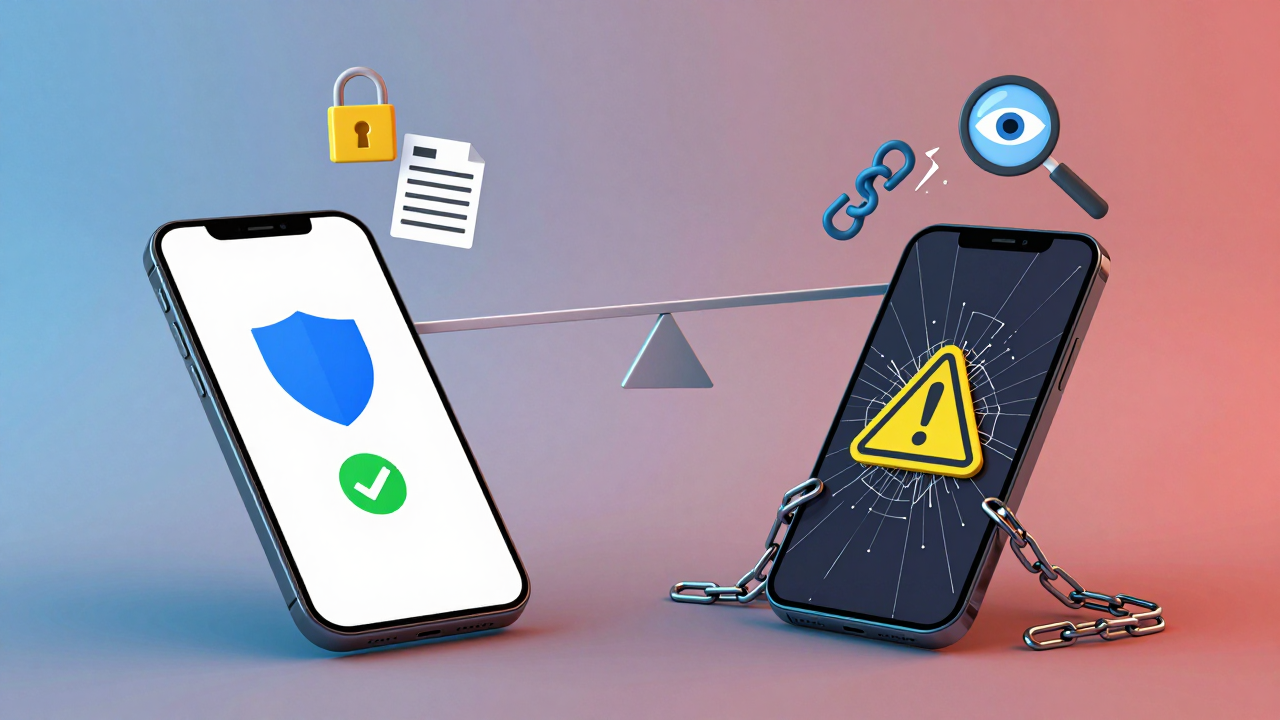
Alternatives to Free SMS Verification: Balancing Cost and Security in 2026
If free verification doesn't meet your security bar, here are the alternatives ranked by how strongly I'd recommend them:
- Physical SIM + Phone Cloning Apps: Best for long-term management of a single account. Costs roughly $2–$5 per month, with high security.
- Cloud Phone Services: Provide an isolated number environment, ideal for batch operations. Monthly cost runs about $7–$30.
- Enterprise Verification APIs: Providers like Getfollow charge per code (roughly $0.07–$0.30 each), suitable for medium-to-high frequency needs.
- Overseas Virtual Operators (e.g., Google Voice): Check platform risk policies carefully—several tightened their registration rules in 2026.
In 2026, account bans caused by verification issues in cross-border operations have dropped about 40% compared to 2022, largely because more teams have moved to paid or self-managed number solutions. The window where free verification is a viable option is closing fast.
Actionable Recommendations and Risk Warnings
Here's the decision path: first assess the value of the account you're creating, then choose your verification method. If the account is for short-term testing only, free verification is fine. If it holds customer relationships or real money, stop using free platforms immediately.
Risk warning: in 2026, some free verification platforms tamper with verification code content or inject ad links, which can lead to your account automatically following third-party marketing accounts. Never enter sensitive personal information—like ID numbers or bank card details—while using free verification.
Final advice: treat SMS verification as a quantifiable operating cost. Start with free SMS verification if you must, but make data security the finish line. If you're receiving more than 50 codes per month, a paid API already offers better value than any free platform.
Are free SMS verification platforms really free?
In 2026, most free platforms generate revenue through ads or data partnerships, so users don't pay directly. But watch the fine print—some collect device fingerprints and network environment data under the guise of "free."
Can I use a free verification number to register WeChat or Alipay?
No. Both platforms' risk-control systems can reliably detect virtual number ranges in 2026. Registration with a free verification number will likely fail or trigger an immediate ban. Use a verified physical SIM instead.
How do I pick a reliable SMS verification provider?
Check three things: whether number sources are disclosed and compliant, whether the privacy policy is explicit, and whether there's a failure compensation policy. Getfollow, for example, offers per-code compensation on its enterprise API, but its free tier is limited. For individual use, look for platforms that charge per code and support small top-ups.
Why am I not receiving verification codes on free platforms?
In 2026, the main culprits are: the number has been flagged by the platform's risk control, the number has been reused too many times, or the SMS channel is congested. Try switching platforms or waiting 10 minutes before retrying. Frequent failures usually mean the platform's number pool has degraded.
Are there legal risks with free SMS verification?
If you're only receiving codes for standard app registrations, the legal risk is low. But using free numbers for financial or government platforms—or for bulk account registration—can violate platform terms of service and may breach cybersecurity regulations around real-name verification. Always stay within compliance boundaries.