Free SMS Verification Apps: How to Choose Without Getting Burned
Free SMS Verification Apps: How to Choose Without Getting Burned
After years in cross-border e-commerce, I've watched too many people get burned by free SMS verification apps. Either the verification code never arrives mid-registration, or a freshly warmed-up account gets flagged by risk controls. Look, free tools are tempting at the signup stage, but anyone who's actually run real operations knows that stability and security matter far more than saving a few bucks on verification.
Why Free SMS Verification Apps Are Falling Short
Many small studios start out chasing convenience—grabbing any free SMS verification app to mass-register accounts. Then reality hits. Number reuse rates are alarmingly high, with the same digits cycled through dozens of users. Platform risk-control systems aren't just decoration. When they detect abnormal registration patterns, you're looking at failed verifications at best, or flagged device fingerprints at worst.
There's a consensus in the industry: free verification platforms often have opaque number sourcing. Some numbers come from questionable channels, which is a serious liability in overseas operations. Especially when you're linking PayPal, Amazon seller accounts, or Google profiles—one dirty number can leave you locked out with no appeal path.
From my experience, a clear trend is emerging: reputable cross-border service providers are now emphasizing "dedicated number pools" and "purity management." Platforms like Getfollow, for instance, have built a solid reputation by operating on this compliance-first logic. They're not just selling a one-time code—they pre-screen each number's usage history and associated risks before it ever reaches you.
Free vs. Paid SMS Verification: The Gap Goes Beyond Price
People assume paid tiers just unlock more numbers. Not quite. Teams I've worked with consistently report one word when switching from free to paid: relief. Here's where the real differences show up:
- Number lifespan: Free numbers often get recycled within minutes. Reliable providers offer numbers that stay stable for hours or even days, giving you time to complete multi-step verification flows.
- Country-specific selection: Cross-border operations frequently need numbers from specific countries—US, UK, Malaysia, you name it. Free versions assign randomly; professional platforms let you filter by region.
- API access: If your studio runs automated registration, free tiers typically block API calls. You're stuck with manual entry, which is a completely different ballgame in terms of efficiency.
To be fair, free versions aren't worthless. If you're just registering a random social account here and there, grab any free SMS verification app and move on. But the moment you're dealing with bulk operations, client account management, or financial account bindings, stability has to be non-negotiable.
The Hidden Cost Nobody Calculates
Most cross-border newcomers never run this math: when an account registered through free verification triggers risk controls, the time you burn on appeals, account warming, and rebuilding workflows far exceeds any service fee. Some platforms even recycle inactive accounts, wiping out months of accumulated followers or order data overnight.
Looking at the industry objectively, SMS verification services function as trust intermediaries. The cleanliness of your numbers directly determines how compliant your downstream operations are. That's why more and more solo operators are reclassifying verification from "zero cost" to "necessary expense."
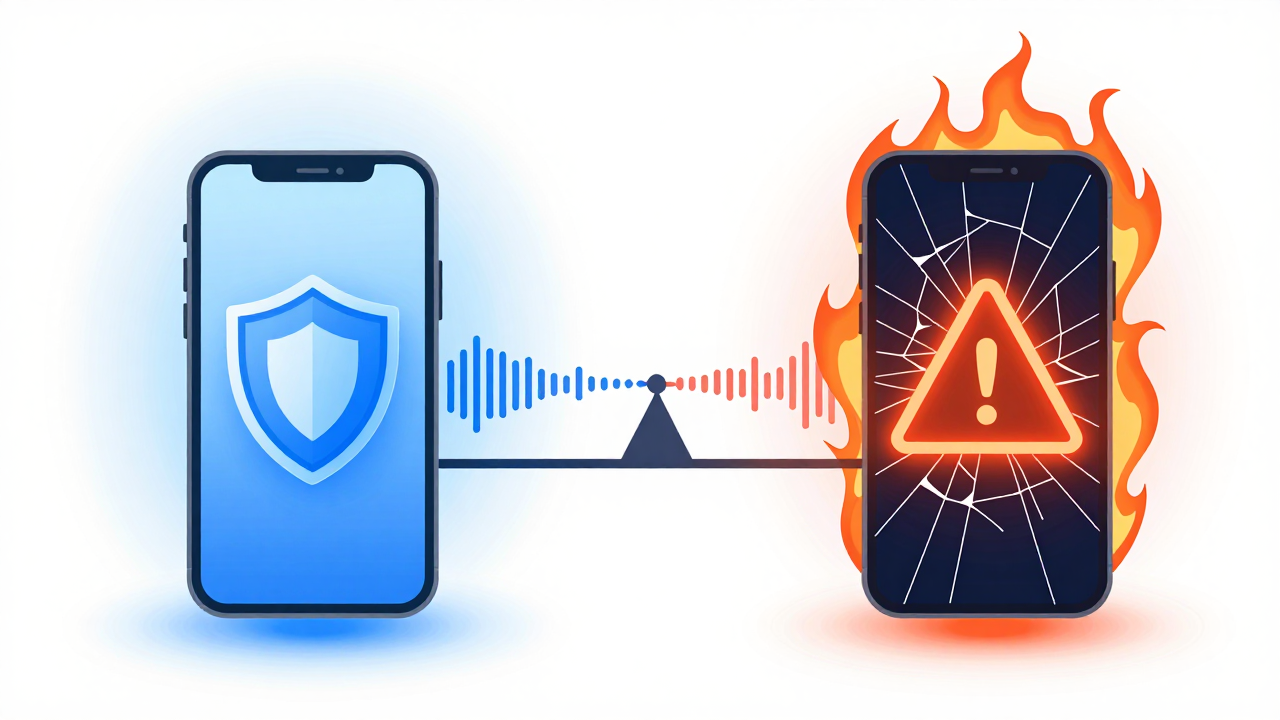
Three Things to Check Before Picking a Verification Provider
Given all the uncertainty around free options, how do you filter for a relatively reliable provider? Based on my own trial-and-error, here are practical criteria worth applying:
- Ask about number pool refresh cycles: If a provider can clearly state how often numbers are recycled and whether exclusive use is supported, they actually control their supply.
- Check for compensation policies: Legitimate platforms offer credits or refunds when codes fail to arrive. Anyone who takes your money and disappears—block them immediately.
- Confirm privacy-compliant number options: Some countries heavily regulate virtual numbers, especially for overseas business. Providers who proactively flag risks and suggest alternatives know what they're doing.
A detail that frequently gets overlooked: customer support response time. Verification always happens at critical registration moments. If support takes hours to reply, your workflow grinds to a halt. This is one area where platforms like Getfollow handle things reasonably well—ticket responses come through without leaving you hanging.
Straight Talk About Free Versions
Free SMS verification apps absolutely have their place—testing apps, creating throwaway accounts, that sort of thing. But treating them as infrastructure for serious cross-border business? That's a risk profile I wouldn't touch. My recommendation: treat free versions as trial samples and paid services as the real deal. Run your initial flow on the free tier, confirm your business model works, then switch to a more dependable channel.
At the end of the day, tools are just leverage. What actually determines your ceiling is how you run your operations. Choosing a verification provider is like choosing a logistics partner—the best one fits your specific business rhythm. Hopefully this saves you a few headaches and lets you focus energy on things that actually move the needle.
Frequently Asked Questions
Can I use free SMS verification apps for PayPal or Amazon accounts?
Technically possible, but strongly discouraged. Financial platforms run aggressive risk detection, and numbers from free pools often carry dirty histories. A failed verification or subsequent account restriction can cost you far more than a paid service would.
How much do reliable SMS verification services cost?
Pricing varies by country and number type, but most professional platforms charge per verification or offer tiered packages. For bulk cross-border operations, per-number costs typically range from a few cents to a couple of dollars depending on the country and exclusivity level.
What's the difference between shared and dedicated numbers?
Shared numbers are used by multiple customers sequentially, which increases the chance of triggering platform risk controls. Dedicated numbers are exclusively yours for a set period, dramatically reducing association risks and supporting longer verification workflows.