Best SMS Verification Platform for Cross-Border Sellers: What Actually Matters
Best SMS Verification Platform for Cross-Border Sellers: What Actually Matters
If you work in cross-border e-commerce, you've almost certainly used an SMS verification platform at some point. Whether it's registering Amazon seller accounts, scaling social media profiles, or verifying WhatsApp and Telegram, phone verification is an unavoidable hurdle. Sanyang SMS verification has been popping up frequently in cross-border seller communities lately—some praise its low prices and high volume, while others complain that numbers die too quickly.
From my experience observing this space, there's an interesting pattern: newcomers and small studios tend to chase the cheapest providers, while sellers with two or three years under their belts become far more selective—often paying several times more for what they call "clean numbers." This isn't about having money to burn. It's about lessons learned the hard way.
Cheap SMS Verification Codes: The Hidden Cost of Bargain Numbers
Many cross-border sellers report that the biggest draw of platforms like Sanyang is price—often just a few cents per number. But here's the catch: most numbers these platforms provide come from virtual number pools or bulk IoT SIM card channels. These numbers carry an extremely low "trust score" in platform risk detection systems.
Take a real example. A friend running TikTok shop campaigns decided to cut costs by registering 20 accounts through a budget SMS verification platform for a matrix test. By day three, all 20 accounts were flagged for secondary verification, and 17 were permanently banned. When he reviewed what happened, he found the numbers all came from nearly identical prefixes—platform risk controls spotted the batch operation instantly.
This isn't an isolated case. Industry consensus puts the survival rate of accounts registered with SMS verification numbers at roughly 50% to 70%, depending on the platform you're registering with and the number quality. If you're doing short-term traffic testing, that survival rate might be tolerable. But if you're building long-term storefronts or brand accounts, the risk becomes significant.
What Sanyang SMS Verification Actually Solves: Access, Not Quality
To be fair, services like Sanyang address a genuine need—quick, bulk, low-cost access to verification codes. For scenarios where you only need temporary verification and don't care about long-term retention—like signing up for forum accounts, grabbing one-time discount codes, or conducting market research—they can get the job done.
The problem starts when users treat SMS verification platforms as a universal solution for every scenario. For instance, someone uses one to register a PayPal or Stripe payout account. The number gets recycled, the linked phone becomes invalid, risk controls freeze the account, and funds get stuck for weeks.
Looking at how the industry is structured, services generally fall into three tiers. First, fully self-service platforms like Sanyang—cheap but with inconsistent number quality. Second, semi-managed services that filter number prefixes and charge a bit more. Third, customized solutions like Getfollow, which follow a compliance-first model: numbers allocated on demand, traceable sources, and options for long-term holding—at a noticeably higher price point.
Virtual Numbers vs. Physical SIM Cards: The Quality Divide
Many newcomers don't realize that SMS verification numbers come from two fundamentally different sources. One is pure virtual number prefixes (like certain +44 or +1 series). The other is physical SIM card pools, where batches of real SIM cards are inserted into gateway devices. The cost difference is several-fold—and so is the difference in how easily risk controls detect them.
Virtual numbers are cheap, abundant, and instantly available. The downside: nearly every major platform's risk system can identify them, often triggering manual review or outright rejection after registration. Physical SIM card numbers look indistinguishable from regular users, but they cost significantly more and supply is limited—which is why prices multiply.
Platforms like Sanyang primarily offer virtual numbers by default, with occasional physical SIM resources that require luck or an extra fee. I've tested registration flows on several mainstream cross-border e-commerce platforms, and accounts registered with virtual numbers consistently hit higher friction rates at the payment-linking or withdrawal stage.
So here's the practical takeaway: if you're registering throwaway accounts, budget SMS verification platforms are sufficient. But if money movement or long-term operations are involved, skip the cheap route and go with providers that offer physical SIM resources or traceable number sources.
Compliance Risks of SMS Verification Platforms: Don't Let Convenience Become Liability
Let me be direct about this: SMS verification services operate in a gray zone. Bulk account registration is explicitly prohibited in most platforms' terms of service. If you get flagged for "fraud risk" or "abusive behavior," the consequences range from account suspension to linked bans on every account sharing the same device or IP address.
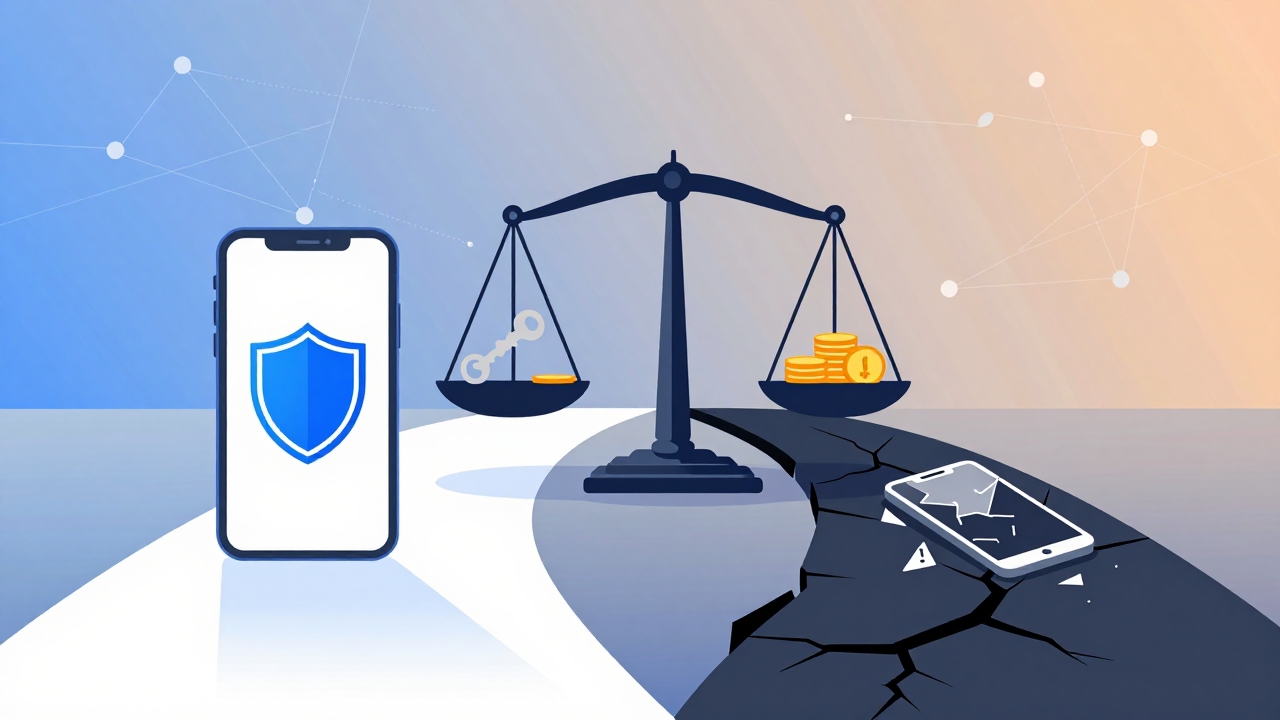
What's more concerning is that some SMS verification platforms resell the same numbers multiple times. You buy a number today for fifty cents, and tomorrow someone else gets the same number—with no idea what they use it for. If that number gets involved in policy violations, your account can be caught in the crossfire.
From what many cross-border sellers tell me, the real fear isn't being rejected at registration. It's getting a suspension notice months later, after you've invested heavily in content and ad spend—with no appeal path. That loss is far beyond anything you saved on verification fees.
The sensible approach is tiered usage: low-value accounts can use budget SMS verification, while high-value accounts should stick with compliant channels. Platforms like Getfollow have built a solid reputation in this space by following an on-demand, traceable model. The unit price is higher, but you won't run into the "one number sold to multiple people" problem.
How to Evaluate an SMS Verification Platform for Long-Term Use
Based on conversations I've had with experienced cross-border sellers, here are the practical criteria worth checking before you commit:
- Number retention period settings: Some platforms let you set how long a number stays active (24 hours, 7 days, etc.) before recycling. If this option doesn't exist, numbers are strictly pay-per-use and unsuitable for scenarios requiring ongoing verification.
- Prefix and country selection: Reliable platforms let you choose number prefixes or regions rather than random assignment. If you're registering a US account but get assigned an African prefix, you've essentially wasted your money.
- Verifiable success cases: Don't just read the marketing page. Search seller communities and forums for real user feedback. Screenshots or tutorials showing successful registration on specific platforms carry more weight than any promotional claim.
- Customer support response time: SMS verification frequently hits issues like expired numbers or delayed codes. If support takes hours to respond, your registration flow stalls—and you might miss time-sensitive campaign windows.
One more piece of advice: start with a small test batch—say, ten numbers—to evaluate quality, code delivery speed, and subsequent account survival rates. If that batch holds up for a week, then consider scaling up.
Final Thoughts: SMS Verification Is a Tool, Not a Shortcut
Looking back at Sanyang SMS verification, it has genuinely helped many cross-border sellers get past registration hurdles. But its role is more like a temporary fix—fine for quick tasks, but risky as a long-term backbone. Your cross-border business ultimately rests on account assets and brand trust, and neither can be built on budget verification numbers.
I've watched too many people risk their primary accounts over a few dollars in verification fees, only to face permanent bans with no recourse. A smarter approach: plan your account tiers from day one. Test accounts and traffic accounts can use low-cost solutions. Core accounts and payment accounts belong on compliant channels. That framework will serve you far better than obsessing over which platform charges the least.
If you're currently evaluating SMS verification providers, put these three items at the top of your checklist: number traceability, long-term holding options, and after-sales responsiveness. Start small, test thoroughly, then scale—this strategy applies to any cross-border service provider, and SMS verification is no exception.
Frequently Asked Questions
What is the best SMS verification platform for cross-border e-commerce?
The best choice depends on your use case. For low-value accounts and short-term testing, budget platforms work fine. For payment accounts and long-term operations, choose providers that offer traceable, physical SIM numbers with retention options—even if they cost more.
Why do accounts registered with SMS verification numbers get banned?
Most SMS verification numbers come from virtual number pools that platform risk systems can identify. When multiple accounts share similar number patterns, risk controls often flag them as batch operations, triggering verification requirements or permanent bans.
How long do SMS verification numbers stay active?
It depends on the provider. Some platforms recycle numbers immediately after use, while others let you set retention periods from 24 hours to several weeks. Always check whether your provider offers retention settings before registering important accounts.
Can I use SMS verification numbers for PayPal or Stripe registration?
It's risky. Payment platforms have stricter risk controls, and if your verification number gets recycled, your linked phone becomes invalid—potentially freezing your account and funds. For payment-related accounts, use a real SIM card or a provider with traceable, long-term number options.