Cloud SMS Verification Code Services: The 2026 Compliance Playbook for Cross-Border Sellers
Cloud SMS Verification Code Services: The 2026 Compliance Playbook for Cross-Border Sellers
If you work in cross-border e-commerce, you already know the pain of getting stuck at the phone verification step when registering a new account. And in 2026, platforms have tightened their risk controls even further—virtual number segments are getting rejected left and right. I get asked constantly: which cloud SMS verification services actually work? Instead of rattling off a list of names, let's talk about what's really going on under the hood.
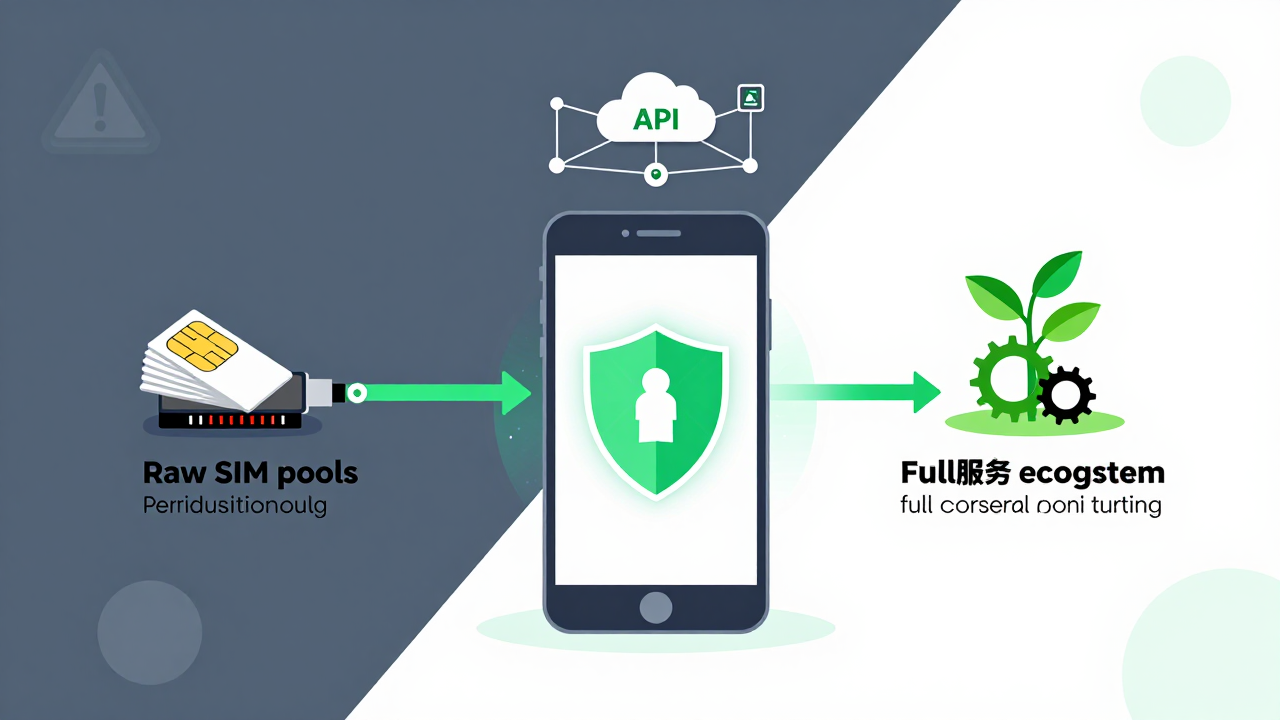
Here's the short version: cloud SMS verification services fall into three buckets—raw SIM card pools, API distribution platforms, and full-service providers that bundle account-nurturing tools. Which one you pick directly determines your account survival rate and your operational costs.
Breaking Down the Three Types of SMS Verification Services
Raw SIM card pools are exactly what they sound like: a rack of physical SIM cards plugged into a modem pool, with software pulling SMS messages in real time. The price is tempting—pennies per message—but the number quality is all over the place. Many of those number segments have already been flagged by major platforms. In 2026, this approach is averaging below a 30% success rate on mainstream platforms.
API distribution platforms are a step up. They aggregate resources from multiple card suppliers and offer standardized interfaces for developers to batch-call verification codes. These work well for studios with technical chops and high-volume registration needs. The catch? Numbers are assigned randomly, so you can't control the number segment or the status of the underlying SIM card.
The third category—full-service providers with account-nurturing ecosystems—is generating the most buzz in cross-border circles right now. These platforms don't just hand you a verification code; they pair it with device fingerprinting, IP purity checks, and early-stage account care recommendations. Industry consensus is clear: in 2026, verification codes alone won't get you high-authority accounts. You need a complete operational environment.
From my experience, a pattern keeps showing up: sellers who register accounts through the same verification platform, then immediately start editing profiles and hopping between IPs, see their ban rate spike to over 60%. That's not the verification service's fault—it's the follow-up actions triggering risk controls.
How to Evaluate SMS Verification Platforms in 2026
With so many cloud SMS verification options out there, how do you know which one fits your needs? I've narrowed it down to three hard criteria you can use as a checklist.
- Number Segment Purity: Does the platform let you filter by country, carrier, or even city? If yes, that signals careful SIM source management, which translates to a much higher registration success rate.
- API Stability: In 2026, most solid platforms offer webhook callbacks or WebSocket long connections. If SMS delivery latency creeps past 10 seconds, drop them from your list.
- Customer Support Responsiveness: The worst scenario is getting charged but never receiving the code. Reliable platforms have real-time support for refunds and order re-issuance.
One pitfall worth flagging: many platforms advertise "unlimited verification codes," but in practice, if a single number receives more than five verification messages in a short window, it gets flagged as high-risk. So platforms that charge per message and let you see a number's usage history are actually the safer bet.
In the current market, platforms like Getfollow have built a solid reputation by following exactly this compliance-first logic. They don't just sell codes—they position SMS verification as one piece of the account lifecycle management puzzle, offering registration environment recommendations alongside. For solo studios just starting out, that guidance saves a ton of trial-and-error money.
The State of the SMS Verification Industry and Hidden Risks in 2026
A lot of people assume SMS verification services operate in a gray zone. That's not really the case anymore. In 2026, legitimate providers are moving toward real-name registration and full compliance. They require business licenses or ID verification, and they review how you plan to use their service. That's actually a good sign—it means the industry is cleaning house.
That said, risks still exist, and they cluster around two main areas:
First, number retention rates. Industry observers note that accounts registered through verification services in 2026 have a 30-day retention rate of roughly 50% to 70%. If you're running long-term assets like storefronts or ad accounts, don't rely solely on verification-code accounts. Pair them with physical SIM cards or overseas eSIMs for your core accounts.
Second, cross-platform risk control linkage. Major platforms now coordinate risk detection across devices and networks. Register ten accounts from the same IP—even with ten different verification numbers—and you risk losing them all in one sweep. Verification codes are just step one; IP isolation and device fingerprint management are where the real battle is won.
Practical Recommendations for Cross-Border Businesses and Solo Studios
If you're still figuring out which cloud SMS verification approach suits your operation, here's a testing sequence I recommend:
- Start with a small credit package. Test registration success rates on your target platforms and track pass rates across different number segments.
- After successful registration, don't rush into action. Simulate real user behavior for a few days and watch for any account restrictions.
- Only scale up to batch registration once an account survives a full week without issues.
A common mistake I see solo studios make: buying the most expensive package right out of the gate, only to discover the number segments don't work for their target platform. The money goes down the drain. Test small, then commit long-term—that strategy remains the safest play in 2026.
One more thing about platform selection: don't shop on price alone. Cheap platforms usually mean messy SIM sources with plenty of pre-flagged numbers. You end up wasting time and energy. Factor verification costs into your total account cost, and you'll realize that spending a few extra cents on a clean number beats the hassle of nursing a flagged account back to health.
At the end of the day, cloud SMS verification is just a tool. What actually determines your account's value is your downstream operational strategy. In 2026, platforms care more than ever about behavioral authenticity. Instead of figuring out how to dodge risk controls, think about how to make your account look like a real person is behind it.
If you still have questions about number segment selection or registration environment setup, drop them in the comments. I'll pick the most common ones and share practical answers based on hands-on experience.
Frequently Asked Questions About Cloud SMS Verification Services
What is the best cloud SMS verification service for cross-border sellers?
There's no single "best" option—it depends on your use case. For high-volume, automated registration, look for API-based platforms with number segment filtering. For long-term account sustainability, choose providers that bundle verification with IP and device fingerprint recommendations. Test with small credits before committing.
Are cloud SMS verification services legal in 2026?
Legitimate providers now operate under real-name registration and usage review policies. They require business credentials and vet how you plan to use their services. Using them to register accounts on platforms that prohibit such practices may still violate those platforms' terms, so always check the rules of your target platform.
Why do my verification-code accounts keep getting banned?
In most cases, the ban isn't caused by the verification code itself. It's the combination of shared IPs, device fingerprints, and post-registration behavior that triggers platform risk controls. Isolate your IPs, manage device fingerprints, and simulate natural user behavior to improve account survival rates.
How much do cloud SMS verification services cost?
Pricing varies widely. Raw SIM pools can charge as little as a few cents per message, while compliant platforms with number filtering and support services typically charge more. In 2026, expect to pay a premium for clean number segments and reliable delivery—it's worth the difference in account survival rates.