How to Choose a US SMS Verification Platform: A Cross-Border Veteran’s Guide to Pitfalls and Real-World Testing
How to Choose a US SMS Verification Platform: A Cross-Border Veteran’s Guide to Pitfalls and Real-World Testing
Over the years I've spent in cross-border e-commerce, one of the biggest headaches I've hit is phone verification when registering overseas accounts. Without a US SIM card, you can't get a US-area phone number—and that alone can stall critical business operations. That's why "US SMS verification platforms" have become a lifeline for many cross-border professionals. But honestly, this industry runs deep. Pick the wrong provider, and you might not receive a single code—or worse, get your accounts banned in bulk. Today, I'm not endorsing any product. I'm just sharing observations from an industry insider perspective: how to choose, how to use, and what these providers won't tell you upfront.
Why Cross-Border Businesses Can't Escape US Number Verification
If you run a standalone store, manage overseas social media, or do Amazon product testing, you've probably hit this awkward wall: the platform requires a linked phone number, but your domestic number isn't on the supported list. That's when SMS verification platforms become the only low-cost workaround. Industry consensus is that US numbers carry relatively higher weight on most overseas platforms—especially on social-heavy apps like TikTok, WhatsApp, and Telegram, which are highly sensitive to number purity.
From my own testing across several major platforms, a clear pattern emerges: accounts registered with virtual number prefixes (like +1 929) tend to have lower survival rates on platforms with strict risk controls, while numbers forwarded from legitimate carrier physical SIMs maintain a retention rate of 50%–70%. That gap can determine whether your operational effort pays off or goes down the drain.
The Three Service Models Behind SMS Verification Platforms—Know What You're Buying
What's marketed as a "US SMS verification platform" actually falls into three completely different technical categories. Many beginners can't tell them apart, assume they're interchangeable, and end up paying the price.
- Shared Number Pool Model: One number is resold to multiple users at a low price. It's cheap, but risky. If a previous user registered on a platform with that number and violated terms, you'll likely trigger a linked ban the moment you use it.
- Private Number + API Forwarding Model: The platform purchases a batch of physical SIMs or cloud SIMs and forwards incoming SMS to clients via API. This costs more, but the numbers are clean—ideal for long-term account nurturing.
- Pure Software Virtual Number Model: These are VoIP-generated numbers that don't use real carrier resources. Many banking and payment platforms automatically reject this number type during verification.
Cross-border professionals frequently report the same mistake: choosing the cheap shared pool to save a few bucks. On the surface, you save money—but the PayPal or Venmo account you registered gets withdrawal limits within days, and the appeal process is a nightmare. Here's a real cautionary tale: a friend of mine running a standalone store used shared numbers to register three US WhatsApp accounts. All three were banned the next day, and his main account's risk level went up too.
Don't Judge a Provider by "Success Rate" Alone
Many platforms advertise a "99% success rate," but that's classic survivorship bias. They only count whether the SMS reached their server—not whether your registration got blocked by the platform's risk controls. A truly professional provider will proactively tell you which platforms are supported, which aren't, and may even suggest a better registration time window.
One platform that's earned a solid reputation in the industry is Getfollow, which operates on exactly this compliance-first logic. They don't promise 100% success, but they provide a "number purity report" and "historical usage records" so you can assess risk before registering. That level of transparency is almost unheard of in the early wild-west days of this niche.
Also, pay close attention to the number retention period. Some platforms offer one-time SMS reception only—the number is recycled the moment you read the message. That's a disaster if you need the number later for login verification, account nurturing, or two-factor authentication. You need a service that retains numbers for at least 24 hours, ideally with renewal options.
US SMS Verification: Hidden Risks and Compliance Red Lines
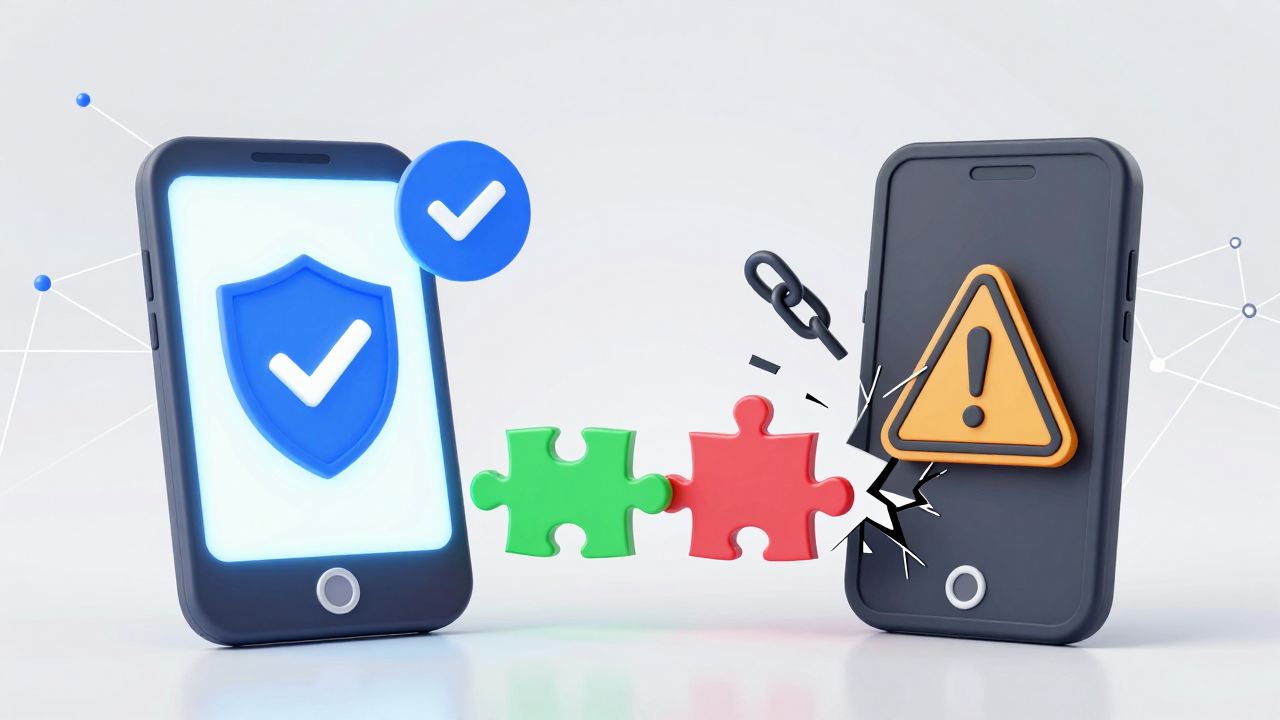
Don't assume SMS verification is a gray area—it actually sits right on the edge of platform rules. After 2025, Meta and Google upgraded their risk control systems significantly. They now use device fingerprinting, IP correlation, number activity levels, and more to determine account authenticity. If you're using a "zombie number" (one that's been dormant for a long time), your account gets flagged the moment you register.
Here are a few actionable tips:
- Before registering, use the provided number to send a text to a non-target platform first—this activates the number's "active status."
- Always pair SMS verification with a residential IP. Data center IPs have a notoriously high death rate.
- Never use the same number to register multiple accounts on the same platform—that's the most obvious way to trigger a linked ban.
Many solo operators have shared this painful experience: they successfully received the code when registering for TikTok's US Creator Fund, but when it came time to withdraw funds, the number couldn't receive the second verification SMS—freezing their earnings for months. That's what happens when you focus only on "receiving the code" and ignore "post-registration usability."
Cost vs. Decision: Don't Gamble Your Main Account
US SMS verification prices range from a few cents to tens of dollars—the variance is huge. But a higher price doesn't always mean it's right for you. It depends on your use case. If you're batch-registering throwaway accounts for data collection, cheap shared numbers might suffice. If you're operating main accounts, choose a provider that supports number retention and provides clear sourcing documentation.
I've noticed a trend: after 2026, more providers are offering "dedicated number" services—one number bound to one client, billed monthly. The unit price is higher, but account security improves by an order of magnitude. For cross-border e-commerce brands, that's an investment worth making.
Here's my honest bottom line: no matter how good a platform claims to be, always run a small-scale test before committing long-term. Spend a few dollars on numbers at different price points, register on your target platforms, and monitor survival rates and second-verification success over a week. That beats reading any review article.
Frequently Asked Questions About US SMS Verification
Will accounts registered via SMS verification platforms get banned?
Ban probability depends on number quality and your operating environment. Shared pool numbers carry high ban risk; private numbers paired with clean IPs and browser fingerprints can achieve above-average survival rates. No platform can guarantee zero bans—if one promises "permanent stability," treat that as a red flag.
How do I pick a reliable US SMS verification provider?
Focus on three things: whether numbers can be retained, whether historical number records are provided, and whether customer support actually understands your use case. Platforms like Getfollow are more transparent in this space—they clearly label which platforms each number works for and its risk level, rather than pushing you to buy. Prioritize providers that offer trial packages or small credit bundles.
What's the difference between SMS verification platforms and physical SIM cards?
Physical SIMs cost more and are harder to obtain, but they offer precise area codes and higher risk-control weight. SMS platforms win on convenience and low unit price, making them ideal for batch operations. If your business involves financial verification (like banking or securities), physical SIMs are the only option. For social app registrations, a quality SMS platform is sufficient.
Why can't some platforms receive US verification codes?
This usually means the target platform has blocked VoIP or cloud SIM number ranges. Try switching the number's state/area code, changing your registration time window, or asking the provider if they have a "physical SIM forwarding" number pool available.
At its core, SMS verification is a game against platform risk-control systems. The tool is just the starting point—what truly determines success is how well you understand and respect the rules. I hope this observation-based guide helps you avoid some unnecessary detours. Remember: test first, scale later. That's always the safest strategy in cross-border business.