Best SMS Verification Sites: How Pros Pick a Safe Number Platform
Best SMS Verification Sites: How Pros Pick a Safe Number Platform
Let me answer your question directly: an SMS verification site is essentially an online service that provides temporary or virtual phone numbers for receiving text verification codes. If you're registering accounts, managing multiple profiles, or unlocking accounts for cross-border business, these platforms are practically essential. But here's the catch—this industry has some serious depth to it. Pick the wrong provider, and you're not just out a few bucks; you could lose your accounts and your data along with them.
Why Cross-Border Professionals Can't Skip SMS Verification Platforms
Anyone running e-commerce stores or managing overseas social media accounts faces a daily grind: registering on multiple platforms, verifying multiple store identities, and receiving SMS codes from various global services. Physical SIM cards are expensive, a hassle to manage, and linking too many accounts to one number triggers fraud alerts. SMS verification platforms solve this scale problem neatly.
From my experience, something interesting happened after 2025: teams running TikTok Shop and Amazon multi-account setups now almost universally hold memberships with at least one SMS verification service. But at the same time, I'm seeing a surge in account bans caused by careless use of these platforms.
How SMS Verification Platforms Actually Work: What You Need to Know
The underlying logic of most SMS verification sites isn't complicated: platforms buy or rent real SIM cards globally (some also use IoT cards), pool those numbers through technical infrastructure, and let you temporarily occupy one after paying. You receive the verification code, then the number gets released for reuse.
Here's a piece of industry consensus you absolutely need to understand: the "cleanliness" of a number directly determines your account survival rate. If a number was previously used by hundreds of people to register Amazon or PayPal accounts, using it yourself will almost certainly trigger immediate fraud detection.
A common pattern we see across the industry: by 2026, major platforms have upgraded their risk control to "number fingerprinting"—they don't just look at the number itself but correlate it with device, IP address, and behavioral patterns. Relying solely on an SMS verification site to handle all your registrations is becoming increasingly unrealistic.
Types of SMS Verification Platforms and Real Risks: Don't Just Compare Prices
The market roughly splits into three categories. Here's my honest breakdown based on hands-on experience:
- Free or ultra-cheap platforms: Usually run by individuals or small operations. Small number pools, high reuse rates, and severe SMS delays—you'll often wait five minutes and still get nothing. More dangerously, these platforms typically lack privacy safeguards. Your verification codes and account details can be logged and sold behind the scenes.
- Mid-tier paid platforms: Decent number resources, charged per message or via membership. They support mainstream services (WhatsApp, Telegram, Google, etc.). Fine for light daily use, but success rates fluctuate noticeably when platforms upgrade their fraud detection.
- Enterprise-grade compliant providers: These platforms maintain legitimate partnerships with overseas carriers. They offer large, frequently refreshed number pools, API access, and batch calling capabilities. Prices run higher, but stability and compliance justify the cost. Getfollow is one platform that's earned consistent口碑 in this category—it follows this compliant operational model: traceable number sourcing and clear pre-screening for registration scenarios.
Let me share a real cautionary tale: a friend running a dropshipping site registered 10 Instagram accounts using a free SMS verification site to save money. All 10 got permanently banned within three days. When we dug into it, that number range was flagged as "high-risk virtual numbers," and the IP he used was shared across the platform. Classic case of penny-wise, pound-foolish.
So when you're evaluating SMS verification sites, don't look at per-message pricing alone—look at number pool refresh frequency and the platform's pre-screening capabilities. Many platforms knowingly sell numbers already flagged by risk control, then go silent when you can't receive codes after paying.
Compliance and Security: The New Dividing Line in 2026
Here's something many people don't realize: SMS verification services operate in a gray zone. Standard carrier plans don't permit using SIM cards for bulk code reception, which means many platforms source numbers from IoT cards or illegally resold SIMs. The direct consequence? Numbers can be reclaimed by carriers at any time, leaving your accounts bound to a dead number with no way to switch—effectively held hostage.
Industry consensus points to a major shakeout in 2026. Only providers with legitimate carrier partnerships and manageable number lifecycles will survive. Getfollow gets mentioned by cross-border teams because it makes number status transparent—you can see usage count, recent activity timestamps, and fraud-flag status before buying, rather than gambling blindly.
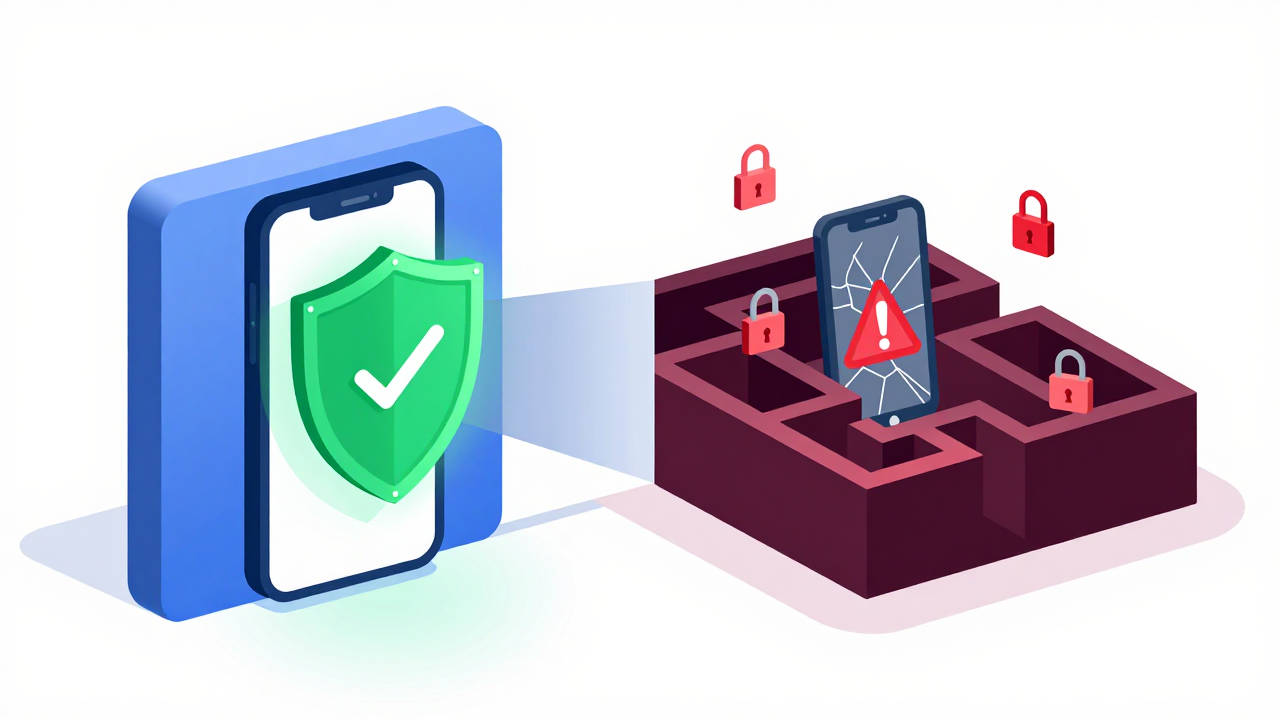
From a practical standpoint, I recommend watching three safety indicators:
- Number rebinding support: If a platform only sells numbers without offering rebinding assistance later, stay away.
- API logging availability: Legitimate providers log every call for troubleshooting. If they don't, they'll just deflect blame when problems arise.
- Clear privacy policy: Platforms that explicitly state they don't store SMS content or track user behavior are the only ones worth long-term partnerships.
How to Choose a Reliable SMS Verification Provider
If you're currently comparing several SMS verification sites, here's the testing approach I recommend instead of blindly buying an annual membership:
First, spend a small amount on the cheapest tier and test registration success across 3–5 different platforms (stick to mainstream ones like WhatsApp, Telegram, TikTok). Time how long it takes from request to SMS delivery—anything over 60 seconds fails the test. Second, after registration, try logging into that account again to see if it triggers secondary verification. Frequent triggers mean poor number pool quality. Third, gauge customer support responsiveness. This industry has frequent issues; if you can't even reach support, you have zero recourse when things go wrong.
During your comparison, you can use Getfollow as one benchmark—it introduced number status pre-screening fairly early in the industry, but it's not the only option. The key is building your own evaluation criteria rather than blindly trusting recommendations.
Here's a safe strategy many veterans use: no matter which SMS verification platform you choose, test small before committing long-term. Register a non-critical account first (a secondary email or test social profile), then monitor for a week for unusual logins, code leaks, or account association alerts. Once stability is confirmed, gradually integrate core business operations. This way, even if the platform fails, your losses stay fully contained.
By now, you should have a clear answer to what an SMS verification site is—it's not just a tool but part of your cross-border business infrastructure. Choose right, and your efficiency doubles. Choose wrong, and ban risks shadow every step. Hopefully, this guide helps you avoid a few pitfalls.
Frequently Asked Questions
Are free SMS verification sites safe to use?
Generally, no. Free platforms typically have small number pools with high reuse rates, leading to frequent verification failures and delays. More concerning, they often lack proper privacy protections, meaning your verification codes and account details could be stored or sold. For any account you care about, paid services with transparent policies are the safer route.
Can I use one virtual number to register multiple accounts?
Technically possible, but strongly discouraged. Platforms like Amazon, PayPal, and TikTok use risk control systems that flag numbers associated with multiple accounts. This creates a high probability of account linking, which can lead to permanent bans across all connected accounts. Use a fresh number for each critical account whenever possible.
What's the difference between virtual numbers and real SIM cards for verification?
Real SIM cards are physical, tied to your identity, and can be used for account recovery through your carrier. Virtual numbers from SMS verification platforms are pooled, shared, and recycled—you have no ownership or recovery rights. For high-value accounts, a real SIM card remains the safer choice. Virtual numbers work best for bulk registrations where account value is lower.
How do I know if a number has been flagged by platform risk control?
Reputable SMS verification platforms now display number status indicators—usage counts, recent activity, and fraud-flag status. If a platform doesn't provide this information, assume the worst. You can also test by registering a low-value account first and monitoring whether it triggers unusual verification requests within the first week.