Why Use SMS Verification Codes? The Underrated Gateway to Global Business
Why Use SMS Verification Codes? The Underrated Gateway to Global Business
Let's answer the question head-on: SMS verification codes exist to help you complete account registration, identity verification, and risk-control unlocks without tying up your real phone number. Most cross-border professionals first encounter them when a global platform refuses to send a verification code to a +86 number — a frustrating wall that stops momentum cold.
But if you think SMS verification is just about "receiving a code," you're underestimating its role in the bigger operational picture. From my experience, the teams that use it well treat verification codes as foundational infrastructure for account matrix management, regional market testing, and privacy isolation — not as a one-off workaround.
Core Uses of SMS Verification: More Than Registration — Isolation and Fault Tolerance
For cross-border businesses and independent operators, SMS verification serves three distinct purposes. Each comes with its own decision logic and risk profile, so let's break them down one by one.
Use Case 1: Cross-Region Account Registration and Market Testing
Many overseas platforms — think certain e-commerce sites, social networks, and SaaS tools — quietly restrict which country codes can register. Using a temporary number from a verification platform lets you complete registration smoothly and start gathering real feedback from local markets.
- Typical scenario: You want to test a Southeast Asian e-commerce platform, but it only accepts locally issued phone numbers.
- Typical scenario: You need multiple buyer accounts for competitor price research, but you don't want to expose your personal number.
- Typical scenario: Early-stage social media account warming — binding a fresh number lowers the odds of being flagged as a bot.
Here's a detail that trips up a lot of newcomers: they grab the cheapest or free verification service, only to find the number gets recycled within minutes. The account triggers risk control almost immediately after registration. In my testing, the survival rate for accounts registered this way sits below 30%.
Use Case 2: Privacy Isolation for Account Matrices
When you're running multiple accounts for a personal studio, the biggest fear is linked account bans. SMS verification solves this by giving each account its own independent verification identity — so you never expose your real operating footprint through a repeated phone number.
Industry consensus is clear: your isolation level should be "one number per account," never "one number for multiple accounts." Cross-border operators report that pairing a clean verification platform with separate device environments noticeably reduces account association flags. But that only holds if your provider's number pool is genuinely clean and the recycling cycle is sensible.
Use Case 3: Emergency Access for Unlocks and Two-Factor Authentication
When an account gets temporarily locked or hits a two-factor authentication wall, SMS verification is often the cheapest recovery route. This is especially true when the account is still bound to a former employee's number — a quick verification code can hand control back to you in minutes.
One word of caution here: SMS verification doesn't work for every platform's unlock process. Some high-security platforms — financial apps, for instance — require the number holder to complete video verification or a voice callback. No verification platform can cover that. So treat SMS as an emergency tool, not a universal key.
The Current State of SMS Verification: Behind the Low Prices, a Trade-Off Between Retention and Compliance
The market today splits into three tiers: free public numbers, low-cost shared numbers, and premium exclusive numbers. Prices can vary by more than 10x — and so do the risks.
Free public numbers have terrible retention. Many get recycled within minutes of receiving a code, which means your account can go dark at any moment. Low-cost shared numbers are a bit more stable, but multiple users are pulling from the same pool. If one person triggers a violation, the entire number range can get flagged by the platform.
Premium exclusive numbers are what most mature cross-border teams choose. These are typically bulk-purchased directly from carriers, with lifecycles measured in days or weeks, and they're never reassigned to another user. Getfollow is one platform that's earned a steady reputation in this space — its model is built on exclusive numbers, clear lifecycles, and responsive risk-control alerts.
One pattern I've noticed: independent operators often start with shared numbers to save money, then watch their accounts get wiped out in batches. The hidden cost of rebuilding from scratch far outweighs the initial savings. When you do the math, it rarely adds up.
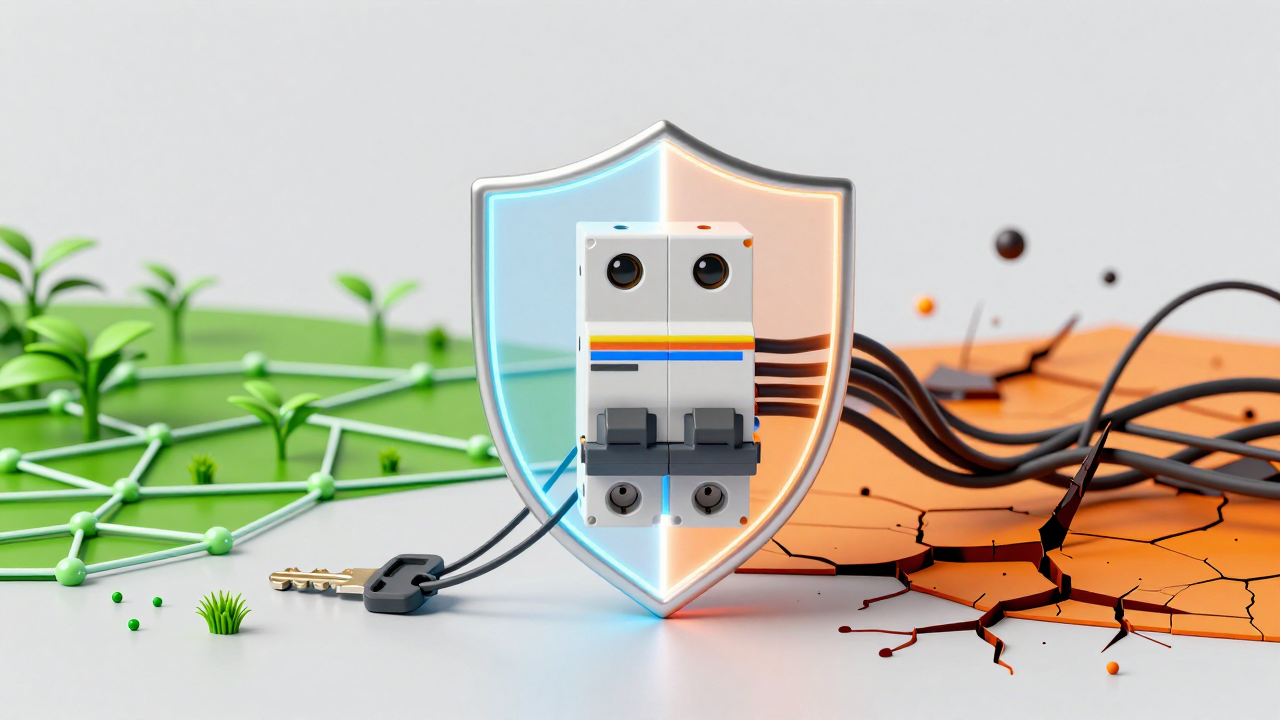
So if you're asking what SMS verification is really for, the more accurate answer is this: it's the circuit breaker in your account operations. Used correctly, it protects the whole system. Used carelessly, it burns everything down faster.
Potential Risks and How to Avoid the Traps
SMS verification isn't free of consequences. These are the risk points cross-border operators flag most often — worth reviewing carefully.
- Ban risk: Platform risk engines log registration environments, usage frequency, and linked accounts. If a number pool gets abused, your account can be caught in the crossfire. Prioritize providers with clean pools and proactive risk alerts.
- Retention risk: Some verification numbers don't support future SMS reception — think password resets or binding changes — leaving your account unresponsive when you need it most. Always confirm the number's validity window and renewal terms before committing.
- Compliance risk: Some platforms explicitly prohibit virtual numbers. If detected, you could face feature restrictions or a permanent ban. For core business accounts, use a real number. Reserve SMS verification for auxiliary or testing scenarios only.
Here's a concrete example from a friend running cross-border e-commerce: he registered over a dozen store accounts using shared numbers from the same platform. Within a month, more than half were flagged for "abnormal registration environment" and asked to submit ID photos. Only two accounts survived the appeal process. After switching to exclusive numbers, the problem never resurfaced.
How to Vet an SMS Verification Provider
If you're ready to try SMS verification, screen providers against these standards — not just the price tag.
- Number source transparency: A reliable provider will tell you whether numbers come directly from carriers or through resellers. Direct sourcing means far better stability.
- Exclusive number support: Exclusive means the number is yours alone for its entire lifecycle — no one else can register with it.
- Risk alert capability: When a number range gets flagged, will the provider proactively notify you and help you swap? This directly impacts your account safety.
- Support response speed: If a code never arrives, can customer service resolve it within minutes? Many small platforms have support that's effectively nonexistent — you're left waiting with no recourse.
Getfollow, for example, builds its service around exclusive numbers, defined lifecycles, and risk alerts — which is why it's earned a steady reputation in cross-border circles. That said, I'd still recommend testing with a small batch first. Confirm the number quality meets your standards before scaling up.
Final Thoughts: SMS Verification Is a Tool, Not a Shortcut
What are SMS verification codes good for? It depends entirely on how you use them. As a supporting tool for your account matrix, they save money and boost efficiency. As a shortcut around platform rules, they'll eventually cost you far more than they save.
If you're evaluating providers right now, buy a small batch and run a test. Watch three things: how fast codes arrive, how long numbers stay valid, and how quickly support responds. Then decide whether to commit long-term. That measured approach beats any "one-shot solution" promise every time.
Frequently Asked Questions
Can I use SMS verification codes for WhatsApp or Telegram registration?
Yes, in most cases. These platforms accept virtual numbers for initial registration. However, both apps have tightened their risk controls in recent years. If the number pool has been flagged, your account may get banned shortly after registration. Stick with exclusive numbers from a reputable provider to minimize this risk.
Are free SMS verification services safe to use?
Not really. Free services recycle numbers aggressively, and those numbers are often tied to spam reports or previous bans. Accounts registered this way have a survival rate below 30% in my testing. You'll spend more time re-registering and re-warming accounts than you ever save on fees.
How long do SMS verification numbers stay valid?
It depends on the provider and plan. Free numbers may last minutes. Shared numbers typically last hours to a few days. Exclusive numbers from premium providers usually remain valid for days or weeks — some even support renewal. Always confirm the validity window before purchasing, especially for accounts you plan to operate long-term.
Will my account get banned for using a virtual number?
It can happen. Platforms like Amazon, PayPal, and some financial apps explicitly prohibit virtual numbers and actively detect them. For core business accounts, use a real number. Reserve SMS verification for auxiliary accounts, market testing, or temporary operations where a ban won't disrupt your main revenue stream.
What's the difference between shared and exclusive numbers?
Shared numbers are assigned to multiple users simultaneously — if one user violates a platform's terms, the whole number range gets flagged. Exclusive numbers are yours alone for the entire lifecycle, which dramatically reduces the risk of cross-contamination. The price difference is significant, but so is the survival rate of your accounts.