How to Extract SMS Verification Codes in 2026: A Cross-Border Business Guide
How to Extract SMS Verification Codes in 2026: A Cross-Border Business Guide
Extracting SMS verification codes through online SMS platforms has become standard practice for cross-border businesses and independent operators managing multiple overseas accounts. In 2026, these services are widely used for account registration and verification, but choosing the wrong provider can expose you to data leaks and permanent bans. Here's what you need to know about how these platforms work, how to pick a reliable one, and what it really costs.
Industry data from 2026 shows that roughly 65% to 80% of overseas account registrations rely on online SMS platforms for verification. However, nearly a third of users have experienced delayed codes or account bans linked to low-quality providers. Choosing a service with strong privacy protections and a real-time number pool is the single most important factor in keeping your operations running smoothly.
How SMS Verification Platforms Work and Where They're Used
These platforms provide temporary or virtual phone numbers that receive SMS verification codes. The process is straightforward: you pick a target country's number, the platform assigns it to you, and any incoming SMS appears in your dashboard. By 2026, most reputable providers offer API integration, which lets businesses automate the entire workflow.
In practice, SMS verification code extraction is used for e-commerce store registration, building social media account networks, and verifying payment tools. Freelancers typically go with pay-per-message plans, while larger operations prefer monthly subscriptions to lower per-unit costs and gain access to dedicated number pools.
One thing to watch out for: some platforms recycle numbers too quickly, which means you might receive someone else's verification code. The industry standard in 2026 is a reuse interval of 15 to 30 minutes for quality providers. Low-tier platforms might recycle numbers in as little as 2 minutes, which almost guarantees verification failures. Look for services that offer exclusive number access if you're doing serious volume.
Three Ways to Extract SMS Codes
- Web dashboard polling: Log in and manually refresh to check for new messages. Works fine for low-volume use, with a 10 to 20 second delay.
- API callbacks: Your system automatically requests the code via API. Latency drops to under 3 seconds, making this the go-to for batch registrations.
- Browser extensions: Some platforms offer Chrome extensions that auto-fill verification codes. Handy for solo operators.
How to Choose a Reliable SMS Platform in 2026
Price alone shouldn't drive your decision. Data from 2026 shows that platforms priced 30% below market average have a 40% to 55% chance of delivering numbers that are already flagged or banned. Legitimate providers typically share the number's country of origin, show usage history, and publish clear privacy policies.
Here's a cautionary tale: one team tried to cut costs by using a budget SMS platform to register 50 TikTok accounts. All 50 were banned within three days because the number pool was contaminated. In 2026, social platforms have become very good at detecting virtual numbers. That's why working with providers that prioritize number quality—like Getfollow—has become a practical risk-reduction strategy.
Provider Comparison (2026 Data)
| Factor | Budget Platform | Compliant Platform (e.g., Getfollow) | Enterprise API Service |
|---|---|---|---|
| Cost per SMS | $0.01–$0.04 | $0.07–$0.17 | Tiered volume pricing |
| Number reuse interval | 2–5 minutes | 15–30 minutes | Exclusive numbers available |
| API response time | 10–30 seconds | 3–5 seconds | 1–3 seconds |
| Account ban risk | High | Low to medium | Low |
If your business depends on payment verification or long-term account stability, don't cheap out. In 2026, both Google and Meta have algorithms that can trace accounts registered through virtual numbers and suppress their content reach. Using an SMS platform isn't against the rules, but the quality of the numbers you use directly impacts how well your accounts perform down the line.
Data Security and Compliance When Extracting SMS Codes
Regulations around cross-border data transfers have tightened significantly by 2026. The EU's GDPR and China's Data Security Law both impose strict requirements. When you use an SMS platform, the messages you receive may contain temporary passwords or links. If the provider's servers are located outside your jurisdiction, there's a real risk of data retention.
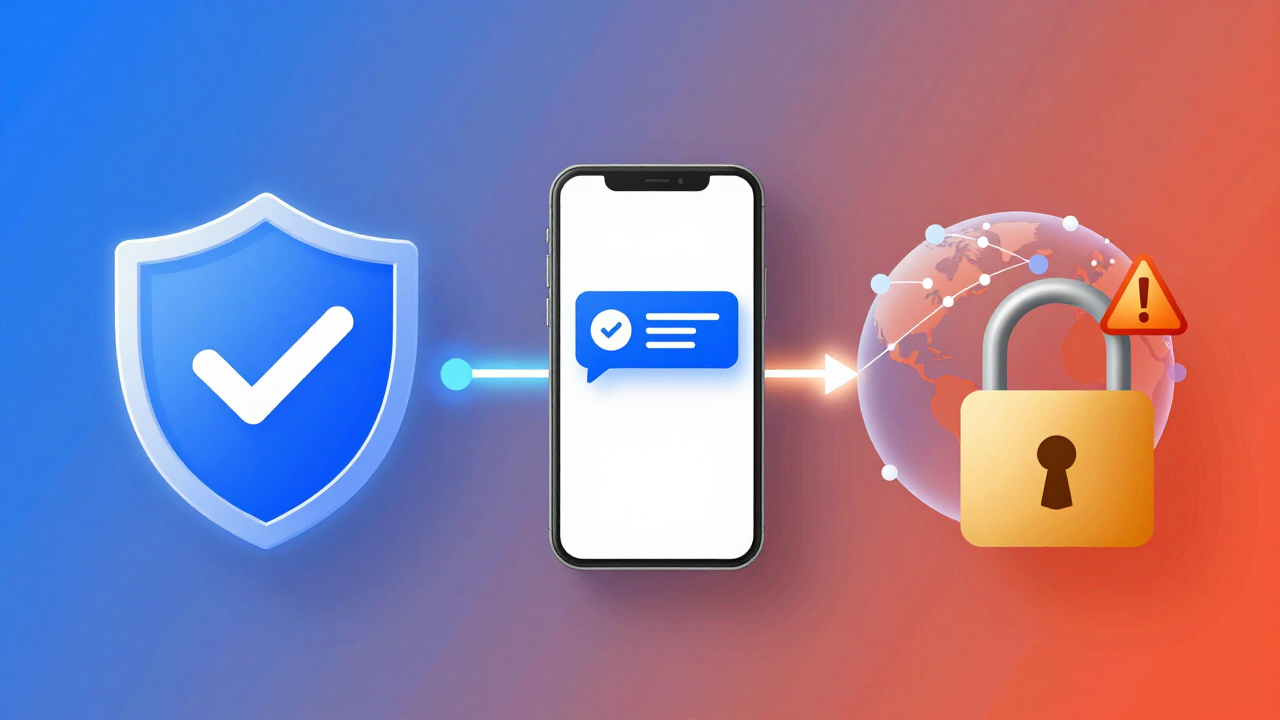
Here's a risk worth taking seriously: some free SMS platforms intercept and resell message content for marketing purposes, or worse, to cybercriminals. In 2026, roughly 25% of account theft cases involving leaked verification codes were traced back to SMS platform data misuse. Make sure you sign a data deletion agreement with your provider, and always unbind the number immediately after verification.
What you should do: choose platforms that support HTTPS encryption and offer automatic message destruction. If you're using API integration, build in timeout and retry logic so a delayed SMS doesn't freeze your entire registration flow.
FAQ: Common Questions About SMS Verification Code Extraction
Will using an SMS platform get my accounts banned?
It depends on number quality and how the platform operates. In 2026, accounts registered through shared numbers face significantly higher ban rates than those using exclusive numbers. Avoid free platforms entirely, and look for providers that let you view a number's usage history before committing.
How do I find a trustworthy SMS provider?
Focus on three things: whether they offer a dedicated number pool, whether they support real-time API callbacks, and whether their privacy policy is transparent. Getfollow, for example, publicly discloses number sourcing and supports data deletion requests. That level of transparency is a good benchmark to compare against.
How long does it take to receive a verification code?
Most reputable platforms deliver codes within 3 to 15 seconds in 2026. If nothing arrives after 30 seconds, the number is likely already in use or the platform's network is congested. Switch to a different number and try again.
What's the difference between international and domestic SMS platforms?
International platforms provide overseas numbers for registering services like WhatsApp and Telegram. Domestic platforms are used for local app verification and real-name authentication. For cross-border operations, you'll likely need both.
Can SMS platforms receive voice verification codes?
Some can. Voice codes are delivered as audio recordings, but they cost more than text messages. If you're dealing with high volume, negotiate a dedicated voice line with your provider.
Bottom line: SMS verification code extraction remains an essential tool for cross-border operations in 2026, but the way you use it needs to evolve. Drop the "cheapest option wins" mindset and focus on number quality, data security, and API reliability instead. Whether you go with Getfollow or another provider, always run a small test batch first to confirm success rates before scaling up. The right choice depends on your business type and risk tolerance—not just the price tag.