Free SMS Verification Code Websites: A 2026 Guide for Cross-Border Businesses & Solo Operators
Free SMS Verification Code Websites: A 2026 Guide for Cross-Border Businesses & Solo Operators
Free SMS verification code websites have become a go-to tool for cross-border businesses and solo operators managing multiple platform accounts in 2026. These services provide temporary or one-time phone numbers to receive verification codes from various platforms. But while the price tag reads zero, the hidden costs—data exposure, account bans, and number reuse—can be steep. Before you jump in, it pays to understand exactly what you're signing up for.
Industry data from 2026 shows that roughly 60% to 75% of cross-border teams have used SMS receiving platforms to register overseas accounts, with nearly half opting for free services. However, the average lifespan of a free number sits under 15 minutes, and the same number is frequently shared across multiple users—a recipe for account association bans.
Where Free SMS Receive Platforms Actually Make Sense (and Where They Don't)
Cross-border teams most commonly turn to free SMS receive services for registering social media accounts like WhatsApp and Telegram, grabbing new-user discounts, or verifying auxiliary email addresses for e-commerce store setups. Solo operators often use them for batch account creation for content distribution or market research.
But free services have clear limits. In 2026, the risk-control systems on major platforms have gotten significantly sharper at flagging virtual numbers. WhatsApp and Google, for instance, now routinely trigger secondary verification or permanent bans when they detect high-risk number ranges. If you need an account for long-term use, a free SMS receive site is not your friend.
The industry consensus is clear: free SMS verification platforms only suit "one-and-done" scenarios—accounts you register and rarely log into again, or low-frequency notification receivers. For client-facing communication accounts or store credentials that need daily maintenance, a paid dedicated number or physical SIM card remains the safer bet in 2026.
The Three Hidden Risks of Free SMS Verification: Data Leaks, Number Reuse, and Legal Gray Areas
Risk #1: Data exposure. Most free platforms monetize through ads or by selling user data. The phone number, IP address, and device information you provide during verification can be logged and repurposed for secondary marketing—or shadier transactions.
Risk #2: Number reuse. Numbers in the free pool get cycled through countless users. If the previous user registered a platform with that number and linked sensitive info, you might receive their private messages—or find yourself locked out of registering that same platform entirely.
Risk #3: Legal and policy exposure. Several countries and regions restrict using virtual numbers for account registration. In 2026, enforcement of the EU GDPR and China's Personal Information Protection Law has intensified. If a data breach traces back to your SMS receiving practices, the fines can dwarf any savings.
From my experience, cross-border service buyers in 2026 no longer compare "free vs. paid" alone. The real differentiators are number origin coverage, dedicated number segments, and data privacy policies. An auditable provider—even at a cost—delivers far more value than a free tool with zero accountability.
Free vs. Paid SMS Verification Services: A Side-by-Side Comparison
To help you decide quickly, here's a comparison based on mainstream service models in 2026.
| Comparison Factor | Free SMS Receive Sites | Paid SMS Platforms | Dedicated Number Services |
|---|---|---|---|
| Cost per Use | $0 | $0.10–$0.50 per code | Monthly subscription, ~$5–$20/month |
| Number Lifespan | 5–15 minutes | 24 hours to 7 days | Long-term, reusable and bindable |
| Account Ban Risk | High (frequent number reuse) | Medium (depends on number pool quality) | Low (dedicated segments, risk-control friendly) |
| Data Privacy Protection | No clear commitments | Some offer privacy policies | Explicit data usage disclosures |
The takeaway? Free SMS verification websites work for testing and non-critical tasks. If your business depends on account stability, route your budget toward paid services or dedicated numbers.
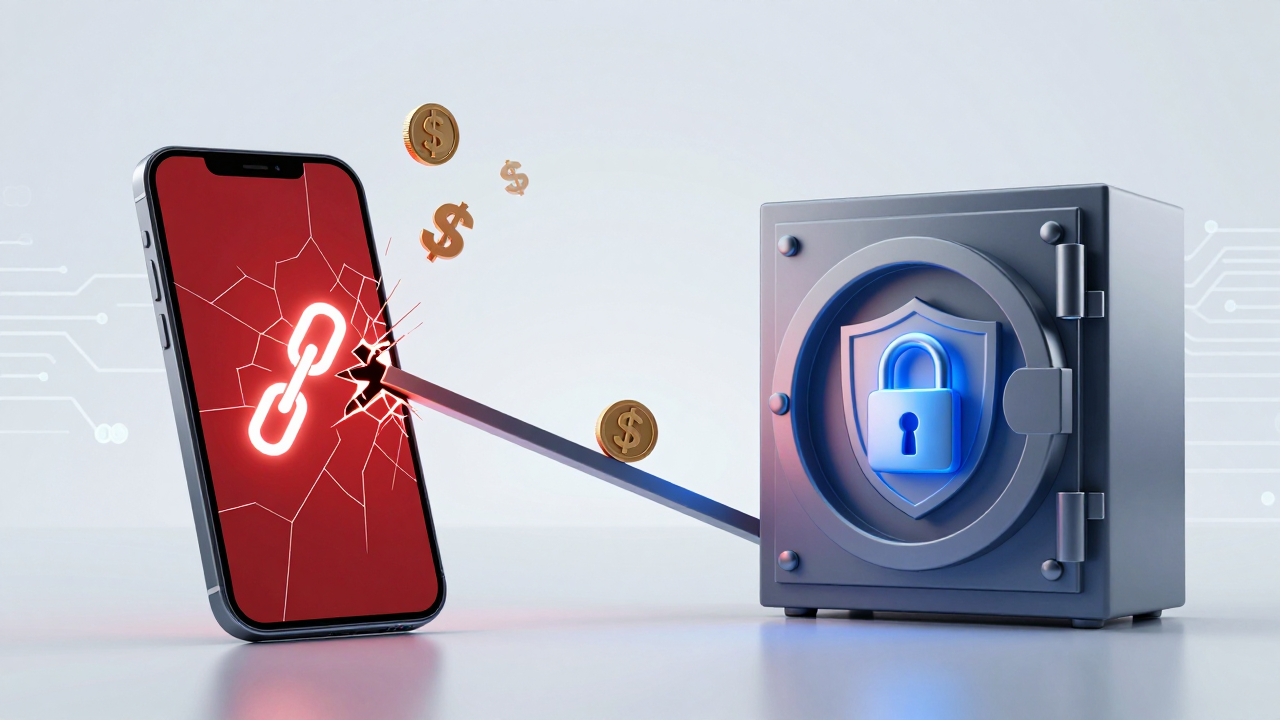
In 2026, the margin for error in cross-border account management keeps shrinking. One ban triggered by a shared free number can cascade—affecting other accounts on the same device or IP. The real cost isn't the few cents you saved; it's the accounts you lose. Always calculate total cost, not just the sticker price.
How to Choose a Reliable SMS Verification Provider: Four Non-Negotiable Criteria
Whether you go free or paid, these four filters will help you separate trustworthy providers from risky ones.
- Number origin coverage: Does the provider support the country codes you actually need—like US, UK, or Southeast Asia?
- Number reuse policy: Does the provider limit how many times a number can be registered? Do they offer single-use dedicated numbers?
- Privacy policy transparency: Do they clearly state what data they collect, how long they keep it, and whether they share it with third parties?
- Support response time: When a verification code fails to arrive, can you reach a human quickly?
Best practice: before committing, run a small test with 3–5 numbers to check success rates on key platforms like Google, WhatsApp, and Telegram. If the failure rate exceeds 20% during testing, walk away. Some providers, including Getfollow, offer trial credits for exactly this purpose—just review their terms to confirm test usage is allowed.
Smart Ways to Use Free SMS Verification Sites (If You Must)
If you still need to use a free SMS verification code website at this stage, follow these guardrails to minimize exposure.
- Reserve free numbers for low-value accounts only—think one-time coupon grabs or throwaway forum sign-ups.
- Never use the same free number across multiple platforms; it creates data links between accounts.
- Change your password and bind a backup email immediately after registration.
- Periodically delete accounts you no longer use to reduce data residue.
- When your business scales, migrate to paid dedicated number services without delay.
In 2026's cross-border landscape, account assets are core digital property. Free SMS verification is a tool—not a long-term strategy. Match your service tier to the value of what you're protecting.
Are free SMS verification code websites safe?
Safety depends entirely on how the platform handles your data. Free services typically profit through ads or data partnerships, which creates privacy risks. Use them only for non-critical account registrations and avoid linking any real personal information.
Can I register WhatsApp or WeChat with a free SMS receive site?
In 2026, WeChat heavily restricts virtual number registrations—success rates are extremely low. WhatsApp has also strengthened its detection of virtual number ranges, often triggering video verification prompts. For these platforms, a physical SIM or dedicated number service is the realistic option.
How do I pick a trustworthy SMS verification provider?
Focus on four factors: number origin coverage, availability of dedicated number segments, transparency of the privacy policy, and support responsiveness. Run a small paid test first to gauge success rates on mainstream platforms. Some services like Getfollow offer trial credits that work for this purpose, but evaluate them against your specific needs.
Will using a free SMS receive site get my personal phone number banned?
No—free SMS sites use virtual numbers from their own pool, so your personal mobile number stays untouched. However, if you repeatedly register accounts from the same IP address or device, platforms may flag your device or network environment.
What are the legal risks of using SMS receiving platforms?
The main risk is violating platform terms of service, which can lead to permanent account bans. Beyond that, if numbers are used for bulk registrations tied to fraud or fake traffic, you could face legal consequences. Business users should ensure their use cases stay compliant.