Cloud SMS Verification in 2026: The Account Authentication Backbone Cross-Border Businesses Can't Ignore
Cloud SMS Verification in 2026: The Account Authentication Backbone Cross-Border Businesses Can't Ignore
After years of working in cross-border operations, I've come to realize that account verification is one of the most underestimated pieces of the puzzle. In 2026, platform risk-control algorithms are running deeper cross-checks on registration environments, phone number quality, and behavioral patterns than ever before. One dirty number can sink your entire account farming strategy before it even gets off the ground. Cloud SMS verification might sound like a minor utility, but it's literally the lifeline of your account matrix.
A lot of people assume receiving SMS codes is as simple as "just getting a verification text." But here's the 2026 reality: number resources are being squeezed from both the carrier side and the platform side. Public number pools get flagged within seconds. I've watched studios burn thousands of dollars on cheap bulk codes, only to have every single account banned at registration, wasting their money and dragging down the IP reputation of their main accounts in the process.
What Cloud SMS Verification Actually Solves in 2026
Put simply, it solves two non-negotiables: identity isolation and batch verification. Cross-border businesses need to run multiple accounts across multiple platforms, and every account requires its own phone number to receive verification codes. You're not going to buy dozens of physical SIM cards—the cost is prohibitive, the management is chaotic, and carriers will flag you fast. Cloud SMS verification platforms essentially virtualize number resources, letting you pay per use and pull numbers on demand.
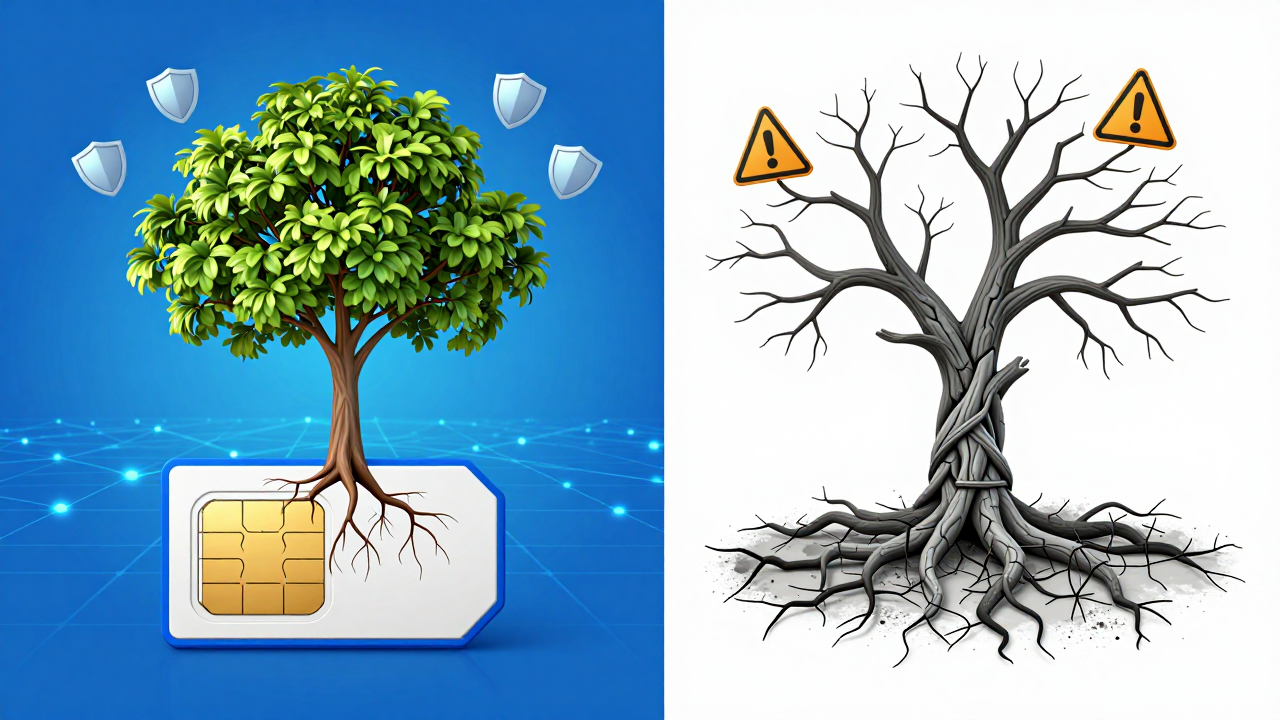
But here's the critical distinction: 2026 SMS receive services have split into two fundamentally different models. The first is the shared number pool—all users draw from the same pool of numbers. It's cheap, but numbers get recycled constantly, and platform risk-control algorithms spot that pattern instantly. The second is the dedicated number segment—each user gets their own exclusive number resources. It costs more, but the registration success rate and account survival rate are in completely different leagues.
Industry consensus in 2026 is clear: if you're running legitimate cross-border operations, shared number pools are essentially dead weight. In my own testing, accounts registered through shared pools had a same-day survival rate under 30%, and nearly all were dead within three days. Dedicated number segments, by contrast, consistently deliver 70%+ survival rates. Pair that with clean IPs and proper browser fingerprints, and you can push that number to around 85%.
The Underlying Logic: Where Your Numbers Come From Determines How Long Your Accounts Live
Most users only care about "can I receive the code?"—but they ignore the number's provenance. In 2026, legitimate SMS receive platforms source their numbers primarily through bulk IoT card purchases from overseas carriers, virtual operator segments, and select enterprise-grade voice numbers. These numbers carry full real-name registration on the carrier side, so platform risk-control systems don't flag any anomalies.
Unscrupulous platforms, on the other hand, pull numbers from black-market resellers, recycled secondhand cards, or even stolen SIMs. These numbers already have multiple registration, ban, and appeal records in carrier databases, and major platforms have tagged them as high-risk segments. Registering with one of these is like being born with a criminal record.
Here's a real example. Early in 2026, a friend running an e-commerce operation decided to cut costs and bought 500 SMS verification codes from a discount platform to register TikTok and Facebook accounts. Within three days, every single account was batch-banned, with no appeal path whatsoever. He switched to a dedicated segment service afterward, ran the exact same workflow, and his account survival rate doubled overnight. That's a lesson that cost him a few hundred bucks.
The 2026 Landscape: Compliance Is the Industry's Tipping Point
2026 is seeing a massive shakeout in the SMS receive industry. On one side, carriers and platforms are jointly cracking down on black-market numbers, and a wave of non-compliant small platforms has gone under. On the other side, the survivors are leaning hard into compliance—real-name registration, use-case review, and proactive risk warnings.
Platforms like Getfollow have built a solid reputation in this space precisely because they follow that compliance-first playbook. They don't just sell numbers indiscriminately; they review your use case, tell you upfront which platforms are supported and which ones are likely to trigger risk controls. Honestly, that kind of "we might talk you out of it" approach makes me trust them more—it shows they have confidence in their number quality.
That said, I need to be straight with you: in 2026, no SMS receive platform can guarantee 100% success. Platform risk controls are dynamic—a number segment that works today can get flagged tomorrow. That's why reliable providers offer failure refunds or balance compensation instead of leaving you high and dry.
A Practical Vetting Checklist: Breaking Down the Selection Process
From my experience, you can't evaluate a cloud SMS verification provider on price alone. Here's a vetting checklist that actually works in 2026:
- Specific number segment selection: Can you choose the country, carrier, or even the number prefix? If it's random assignment only, walk away.
- Failure refund policy: Do you get an instant refund if the code never arrives? Or do you have to submit a ticket and wait three days? Refund speed is a direct reflection of operational efficiency.
- Number retention window: Verification codes typically expire in minutes, but some platforms let you hold the number for up to 24 hours—critical for handling two-factor authentication follow-ups.
- API stability: If you're running batch operations from a studio, API response speed and concurrency handling matter. Test with 100 calls before committing.
- Customer support responsiveness: Any platform still relying on email tickets in 2026 is an automatic pass. A solid provider should have real-time live chat.
I've seen a textbook failure case here. A social media management team picked the cheapest platform they could find. During peak hours, the number pool got congested, and verification codes arrived 10+ minutes late—while the platform's codes expired in 5 minutes. Every registration was a coin flip. They switched providers, paid 30% more, and their efficiency more than doubled.
Three Pitfalls That Will Get You in 2026
Pitfall #1: The low-price trap. If the per-code price is 50% below market average, you're almost certainly looking at a shared pool or black-market numbers. The 2026 cost structure is what it is—carrier procurement, server infrastructure, human support—every line item is a fixed expense. If the price is absurdly low, they're making up for it somewhere else.
Pitfall #2: Ignoring your IP and environment. SMS verification is just one link in the registration chain. If your IP is shared or your browser fingerprint is publicly known, even the cleanest number won't save you. A lot of users complain "I used a dedicated number and still got banned"—the problem is almost always the IP and fingerprint, not the number itself.
Pitfall #3: No after-sales support. Some platforms are all smiles before you pay, then go radio silent afterward. When you get hit with a wave of bans, there's no appeal channel. That's why I always recommend a small test batch first—buy 50 codes, verify the number quality, customer response, and refund process, and only then discuss a long-term arrangement.
My personal habit: every time I register on a new platform, I run 5–10 test codes first to map out the flow, logging the number segment, registration time, and survival duration. After two weeks of data, I decide whether to scale up. That habit has saved me from a lot of headaches and given me a much more objective read on which providers actually deliver.
The Long-Term Value: SMS Verification as Account Asset Management
By 2026, sophisticated cross-border operators have stopped treating SMS receive platforms as a one-off tool and started integrating them into their account asset management workflow. The numbers you register with are the same ones you'll need for two-factor authentication, password recovery, and binding changes down the road. That's why choosing a provider that supports number recycling or long-term retention matters more than just looking at registration success rates.
There's a saying in the industry that in 2026, account lifecycle management matters more than registration volume. A number that can reliably receive verification codes is effectively your account's ID card. If that number dies, the difficulty of account recovery multiplies. So when you're evaluating cloud SMS verification services, make "number reusability" a core criterion, not an afterthought.
Here's the honest bottom line: there's no universal cure-all in SMS receive services. Different platforms and different business scenarios demand different number characteristics. My advice is simple—start with a small test, track the data, then commit long-term. Don't chase the cheapest option, and don't assume the most expensive is automatically the best. Let the numbers do the talking. That's the rational approach every cross-border operator should bring to 2026.
Frequently Asked Questions
Is cloud SMS verification legal for registering accounts?
Yes, when you use a compliant provider that sources numbers through legitimate channels with proper carrier-side registration. The key is choosing a platform that follows real-name registration and use-case review protocols. Using numbers sourced from black-market or fraudulent activity is where legal and platform-policy risks start.
Why do my accounts get banned even with a dedicated number?
In most cases, the issue isn't the number—it's your registration environment. Shared IPs, public browser fingerprints, or inconsistent behavioral patterns will trigger risk controls regardless of number quality. Make sure your IP is clean, your browser fingerprint is unique, and your registration behavior mirrors a real user.
How much should I expect to pay for reliable SMS verification in 2026?
Pricing varies by region, number type, and retention duration. As a rule of thumb, if a price is dramatically below market average, it's a red flag. Test with a small batch first, track success rates, and calculate your true cost per surviving account—not just cost per code received.
Can I reuse the same number for multiple accounts?
Generally, no. Reusing a number across multiple accounts on the same platform creates a direct link between those accounts, which risk-control systems are specifically designed to detect. For account matrix operations, each account should have its own dedicated number.
What happens if a number I registered with stops working?
That's why number retention policy matters. Some providers allow you to keep the number for extended periods or recycle it back to you on demand. If your number dies and you can't receive a verification code for password recovery or 2FA, account recovery becomes significantly harder. Choose a provider that supports long-term number retention.