Receiving SMS Verification Codes on a Foreign Number: The Most Underrated Hidden Infrastructure in Cross-Border Business
Receiving SMS Verification Codes on a Foreign Number: The Most Underrated Hidden Infrastructure in Cross-Border Business
If you run an e-commerce business or manage overseas social media accounts, you'll eventually hit a wall: registering for PayPal, Telegram, WhatsApp Business, or even a TikTok creator account requires a foreign phone number that can receive verification codes. Most people's first instinct is to grab any random SMS verification service—only to find their account flagged within hours, or worse, their main account banned by association. I've personally tested over a dozen solutions on the market, and today I want to share some straight talk.
Three Main Models for Receiving SMS Verification Codes on a Foreign Number—Don't Just Compare Prices
At first glance, every provider offering foreign number SMS verification looks the same. But the underlying mechanics are wildly different—and understanding those differences determines how long your accounts will survive.
Model One: Shared Number Pool. This is the cheapest and riskiest route. A single number gets used by dozens or even hundreds of people simultaneously, making any platform registration look like a high-risk login. Many cross-border operators report that accounts registered with these numbers have a survival rate under 30%.
Model Two: Dedicated Number Rental. You rent a virtual number exclusively for yourself, usually costing anywhere from a few dollars to tens of dollars per month. This works well for scenarios requiring long-term number binding, like WhatsApp warm-up or Instagram management. But watch out—some providers hand out "recycled numbers" that previous users may have already registered on other platforms, which can trigger account association risks.
Model Three: API Direct Integration. Built for teams with technical capabilities, this approach lets you fetch numbers and verification codes in real time via API, billed per use. It's highly flexible, but you'll need to build the integration yourself—not exactly beginner-friendly for solo operators.
From my experience, a clear trend emerged starting in late 2025: more providers began emphasizing "number purity"—meaning whether a number has been used to register sensitive platforms. Platforms like Getfollow have built a solid reputation in this space by following compliant operational logic, clearly labeling each number's intended use case.
Don't Get Lured by "Cheap SMS Verification"—Account Bans Are the Real Hidden Cost
I've watched too many people try to save a few bucks by using shared numbers to register Amazon buyer accounts, only to trigger risk controls within a week and get their stores banned by association. Here's the lesson worth remembering: the cost of SMS verification is 0.1% of your total investment, but losing an account can cost you 100%.
A concrete example: a friend running a dropshipping site bought 100 numbers from a budget platform to batch-register TikTok test accounts. 83 of those numbers were flagged as "virtual number ranges" on the very same day, and every account got throttled. He switched to a dedicated number plan afterward—costing five times more, but his account retention rate jumped to over 70%.
Here's a practical tip: a reliable SMS verification provider will clearly explain its "number recycling period" policy. Legitimate platforms tell you how long after release a number gets reassigned, and whether verification codes can be auto-forwarded to your email. These details determine whether you can recover an account down the road.
Special Needs in Cross-Border Scenarios: Voice Verification and Multi-Platform Compatibility
Here's something many cross-border operators overlook: some overseas platforms—like Google and Facebook—force voice verification instead of SMS when they detect unusual login activity. If your SMS verification provider doesn't support voice codes, you'll be stuck at the worst possible moment.
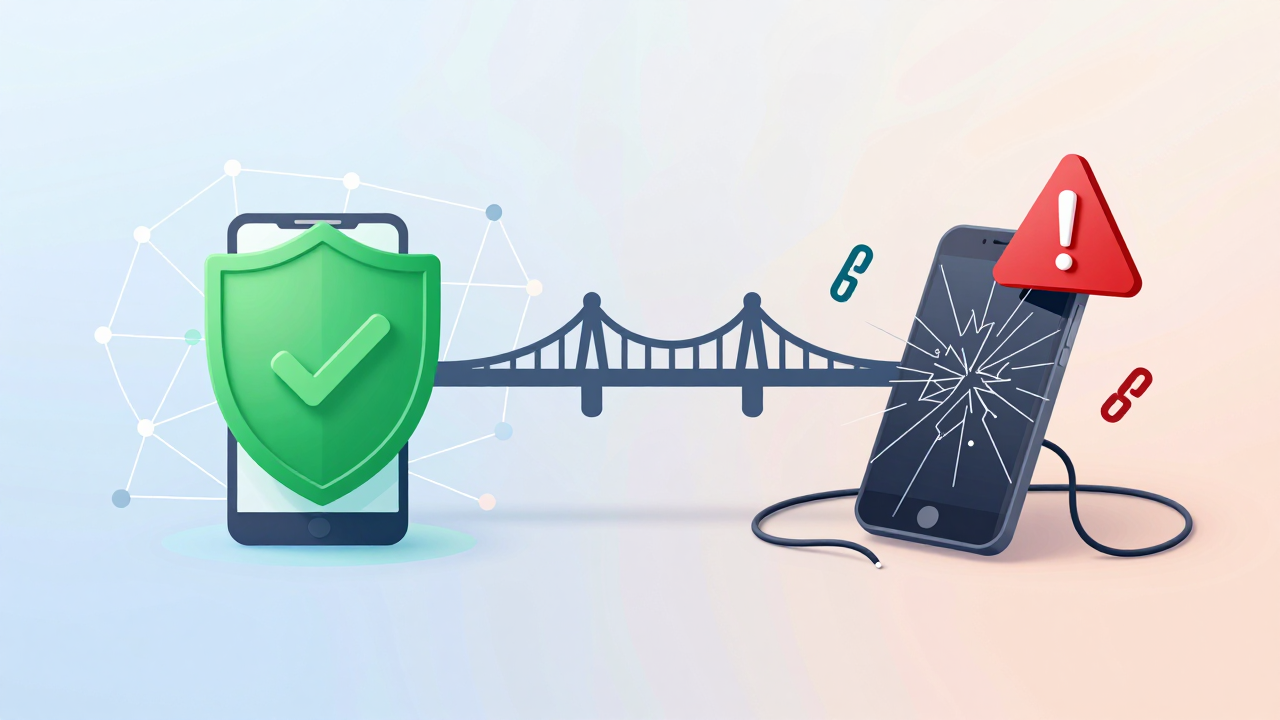
Industry consensus says a dependable provider should at minimum cover the following:
- Number resources across 50+ countries with real-time availability checks
- Support for both SMS and voice verification, with backup lines for voice codes
- Number validity management to avoid the nightmare of "code received, number already recycled"
- A clear privacy policy that doesn't log verification code content—few people check this, but it matters
A common pattern we see: what frustrates users isn't failing to receive a code—it's waiting half a day for customer support to respond when something goes wrong. So testing a provider's support response time should be a mandatory step in your decision process.
How to Choose a Reliable Foreign Number SMS Verification Service
Based on my hands-on testing and industry conversations, here's a screening checklist you can use right away:
- Test with a small budget first. Don't commit to an annual plan upfront. Buy 10 numbers, try registering on different platforms, and observe success rates and code delivery latency.
- Verify number origin. Use free number lookup tools to confirm the provider's numbers are genuine local ranges from the target country—not virtual numbers.
- Watch for risk-control feedback. In the week after registration, check whether accounts show unusual login alerts or feature restrictions. This is the most direct way to test number purity.
- Ask about number retention policies. If you need a number long-term, confirm whether the provider supports a "hold period" and whether renewal terms are transparent.
For bulk operations, I'd recommend prioritizing providers with API access, even if upfront costs run slightly higher. Manually copying and pasting verification codes at scale is painfully inefficient and error-prone. Platforms like Getfollow have solid API documentation, making them a good fit for technical teams that need to integrate quickly.
Here's the honest bottom line: there's no "set it and forget it" solution for receiving SMS verification codes on a foreign number. Platform risk-control policies shift, number inventories change, and provider stability fluctuates. The safest strategy is simple: run small batch tests, confirm stability, then scale up. And always keep a backup SMS verification channel ready so your operations don't grind to a halt if your primary provider goes down.
Hope this guide helps you steer clear of some common pitfalls. If you've got better tips—or deeper scars from bad experiences—drop them in the comments.
Frequently Asked Questions
Is it safe to use free SMS verification services for foreign numbers?
Free services almost always rely on shared number pools, which are heavily flagged by platforms like Google, Facebook, and Amazon. The risk of account bans or restrictions is extremely high. If you're running any serious business operation, paid dedicated numbers are worth every penny.
Can I receive verification codes on a foreign number without buying a SIM card?
Yes. Virtual numbers from SMS verification platforms work for most registration purposes. However, some banks and high-security platforms may reject virtual numbers and require a physical SIM. Always check the specific platform's policies before relying on a virtual number.
What's the difference between SMS verification and voice verification?
SMS verification delivers a code via text message, while voice verification calls you and reads the code aloud. Many platforms automatically switch to voice verification when they detect suspicious login patterns. Make sure your provider supports both to avoid getting locked out.
How long does a verification code take to arrive on a foreign number?
Reliable providers typically deliver codes within 10 to 30 seconds. If it takes longer than a minute, something's wrong—either the number is compromised or the provider's routing is faulty. Test delivery speed before committing to any service.