Earn Money With SMS Verification Codes in 2026: Legit Paths for Cross-Border Businesses and Solo Operators
Earn Money With SMS Verification Codes in 2026: Legit Paths for Cross-Border Businesses and Solo Operators
Earning money with SMS verification codes remains a practical side income in 2026, driven by ongoing demand for cross-border registrations, account management, and bulk social media operations. However, the old model of simply buying and reselling codes is dead. What works now is partnering with compliant verification platforms to handle overseas verification tasks, or building number verification infrastructure for cross-border companies. Let's break down the current landscape, cost structures, provider comparisons, and risk controls you need to know.
The Real Market for SMS Verification Income in 2026
The SMS verification market has shifted from individual freelancers to structured small studios. Industry consensus puts individual monthly earnings in the $70–$280 range, while studios with proprietary number resources and automation scripts can see monthly revenues between $2,800 and $14,000. But higher revenue brings stricter scrutiny — platform risk controls and carrier real-name requirements have slashed average number lifespan from six months in 2020 to just 2–4 weeks today.
In 2026, making money with SMS verification isn't about the codes themselves — it's about how efficiently you manage number resources and whether you hold proper compliance credentials. Providers that can't offer real-name traceability or business registration are being phased out by mainstream platforms.
Cross-border companies typically use verification services for bulk account registration on TikTok, WhatsApp, and Telegram, plus buyer account verification on marketplaces like Amazon and Shopee. Solo operators, meanwhile, focus on controlling costs for Google Voice and Facebook number acquisition.
Three Viable SMS Verification Business Models and Cost Breakdown
Three monetization models remain viable in 2026: task crowdsourcing, number wholesaling, and verification API integration. Crowdsourcing suits complete beginners, wholesaling works for studios with carrier connections, and API integration targets development teams. Each has dramatically different input-output ratios.
- Task Crowdsourcing: Complete verification tasks through platforms, earning $0.01–$0.07 per task. With 50–200 tasks daily, monthly income lands around $70–$420.
- Number Wholesaling: Bulk-purchase virtual carrier numbers and resell to downstream studios. Per-number profit runs $0.07–$0.28, with monthly revenue between $1,400 and $7,000.
- Verification API Integration: Provide SMS verification endpoints to cross-border SaaS or marketing tools. Charging per verification, monthly profits range from $700 to $4,200, but require technical maintenance and compliance filing.
Industry data shows crowdsourcing platforms typically take a 30%–50% commission in 2026, while wholesaling margins depend entirely on upstream card supplier stability. For solo operators, I recommend starting with crowdsourcing and only moving into wholesaling after three months of accumulated experience.
How to Choose a Reliable SMS Verification Provider
When evaluating providers, focus on four factors: real-name compliance, API stability, settlement cycles, and risk-control response speed. The 2026 industry standard is clear — platforms without proper registration can't pass mainstream risk detection, so prioritize providers that support enterprise verification.
| Provider Type | Number Quality | Settlement Cycle | Compliance Status | Best For |
|---|---|---|---|---|
| Individual resellers | Low, high ban rate | Daily | None | Testing only |
| Mid-tier platforms | Moderate, requires filtering | Weekly | Some have registration | Solo operators |
| Enterprise providers (e.g., Getfollow) | High, supports real-name tracing | Monthly or API prepaid | Business registered + API docs | Cross-border companies and dev teams |
From my experience, provider differentiation has intensified in 2026. Top-tier platforms now offer number lifecycle management tools, while mid-tier players face carrier supply disruptions. If your business depends on stable verification channels, choose providers that offer API access and SLA guarantees.
Risk Warnings and Compliance Boundaries
Making money with SMS verification is not a zero-risk side hustle. The 2026 implementation rules of the Anti-Telecom Fraud Law explicitly require real-name registration for virtual numbers and prohibit batch registration, account farming, and fake order generation. Individuals using verification platforms for these activities risk account bans, fund freezes, and even legal action.
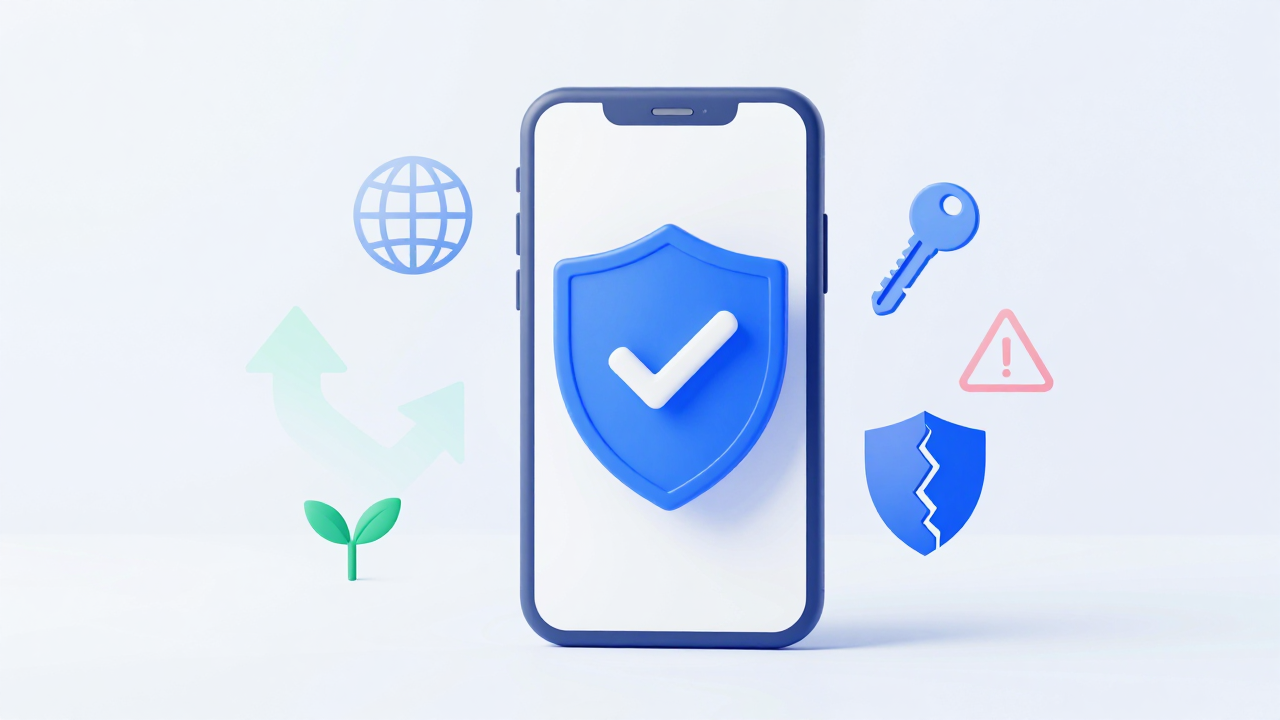
Compliant SMS verification income should stay within testing, backup verification for cross-border operations, and internal tool development. Any activity involving fake registrations or malicious account farming will trigger dual risk controls from platforms and carriers in 2026 — and appeals won't restore your accounts.
Here's my practical advice: before choosing a provider, confirm whether your business falls into a compliant use case. For cross-border companies needing long-term stable channels, evaluate API integration with your technical team rather than relying on temporary number pools.
Frequently Asked Questions
How much can I earn daily from SMS verification codes?
In 2026, individual crowdsourcing income ranges from $3 to $14 per day, depending on platform task volume and number success rates. Studios using wholesaling or API integration can earn hundreds daily, but must factor in technical maintenance and number procurement costs.
Will SMS verification platforms leak my personal information?
Reputable platforms require real-name verification and sign privacy agreements, but mid-tier providers still carry data breach risks. Industry consensus: choose providers with enterprise registration, API documentation, and clear privacy policies — like Getfollow — to minimize exposure.
How do I pick a trustworthy SMS verification provider?
Check three things: enterprise authentication support, number lifespan above two weeks, and transparent settlement. Start with a small test order to observe success rates and risk-control triggers. If a provider can't offer number traceability or takes over 24 hours to respond to support tickets, switch immediately.
Is earning money from SMS verification legal in 2026?
Legality depends on usage. Personal testing and backup verification for cross-border operations are compliant. Batch registration, account farming, and fake orders violate platform rules and the Anti-Telecom Fraud Law. Keep business records and stay away from black-market activities.
What's the difference between verification platforms and virtual carriers?
Virtual carriers provide legitimate number segments with mandatory real-name registration at higher costs. Verification platforms aggregate multiple number sources at lower prices but carry more risk. The 2026 trend shows verification platforms moving toward virtual carrier models with real-name number pools — and prices rising accordingly.
Making money with SMS verification codes in 2026 is still a viable side income or business supplement — but only when built on compliant use cases and stable providers. Start with crowdsourcing or API integration, build your number management experience gradually, and keep a close eye on carrier policy changes. The window for quick profits has closed; the opportunity now belongs to those who treat verification as a legitimate infrastructure service.