US SMS Verification Services: What to Do When Your Cross-Border Business Can't Receive Codes
US SMS Verification Services: What to Do When Your Cross-Border Business Can't Receive Codes
If you run an e-commerce store or a standalone website, you've probably experienced that frustrating moment—you're registering a US-based account, you fill out the form, hit "send verification code," and nothing arrives. This is the classic US SMS verification scenario. Let's skip the fluff and talk about how the industry actually solves this problem, and what makes a verification service genuinely reliable.
Why Your US Verification Codes Never Arrive
Most people assume buying a number from any random platform will do the trick. It's not that simple. US SMS verification depends on three moving parts: carrier routes, the number pool, and risk-control algorithms. If any one of these fails, you're left with a useless code.
From my experience, most cross-border operators run into the same recurring issues:
- The numbers are recycled—already registered on dozens of platforms, so risk controls block them instantly
- Unstable carrier routes cause hours-long queues during peak times, and your code expires before it ever arrives
- The provider doesn't separate use cases—the same number handles both registration codes and bank verification, which triggers security flags
A common pattern we see is that the real headache isn't finding a verification platform—it's finding one that isn't full of dead numbers. You pay a few bucks for a US number, wait forever for a text that never comes, and customer support is nowhere to be found. If you've been through it, you know the pain.
What to Look for in a US SMS Verification Service
If your main goal is fast, reliable account registration and verification, the selection criteria are pretty clear-cut. Industry observers agree on three things: number cleanliness, route stability, and responsive support.
Number cleanliness determines whether your code actually gets through. Some platforms cut costs by relying on free SMS number ranges that have been flagged by every major service. Your verification code gets filtered before it even reaches you. Reputable providers regularly purge their number pool to keep everything "clean."
Route stability directly impacts your workflow. Teams running Amazon product reviews or building TikTok account networks might verify dozens of accounts daily—one hiccup in the route and the whole operation stalls. Platforms like Getfollow have built a solid reputation in this space by following compliant operational practices, refreshing their number pool frequently, and maintaining redundant carrier routes.
As for support—it comes down to whether anyone actually helps when things go wrong. Many small platforms disappear after taking your money, leaving you with no recourse. Larger, established providers tend to be more accountable because they rely on long-term reputation.
Common Use Cases for US SMS Verification
Different businesses have very different verification needs. Here's a quick breakdown:
- E-commerce store registration: Amazon, eBay, and Wish require a unique phone number per account, so you need a steady supply of fresh numbers
- Social media account scaling: WhatsApp, Telegram, and Instagram bulk account creation requires reliable initial verification
- International service subscriptions: ChatGPT Plus, Netflix, and Spotify sometimes require US phone verification
- Ad account verification: Google Ads and Facebook Ads have strict risk controls and demand high-quality numbers
Each scenario has different requirements. For store registration, you need numbers that have never been used before. For receiving verification codes, you just need numbers that aren't flagged. Many cross-border operators report that mixing different business types on the same number pool is the fastest way to run into problems.
Individual Operators vs. Enterprise Needs
If you're an individual doing affiliate marketing or running a standalone site, your volume is low and price sensitivity is high—a basic budget plan usually works fine. But enterprise-level operations with dozens or hundreds of verification requests per day need API integration and bulk import features. At that scale, you're not comparing per-unit prices anymore; you're evaluating overall delivery capability.
A common practice in the industry is to run a small batch test before committing to a long-term contract. This testing phase is crucial—it filters out most of the unreliable platforms out there.
Price vs. Quality: Don't Chase the Cheapest Option
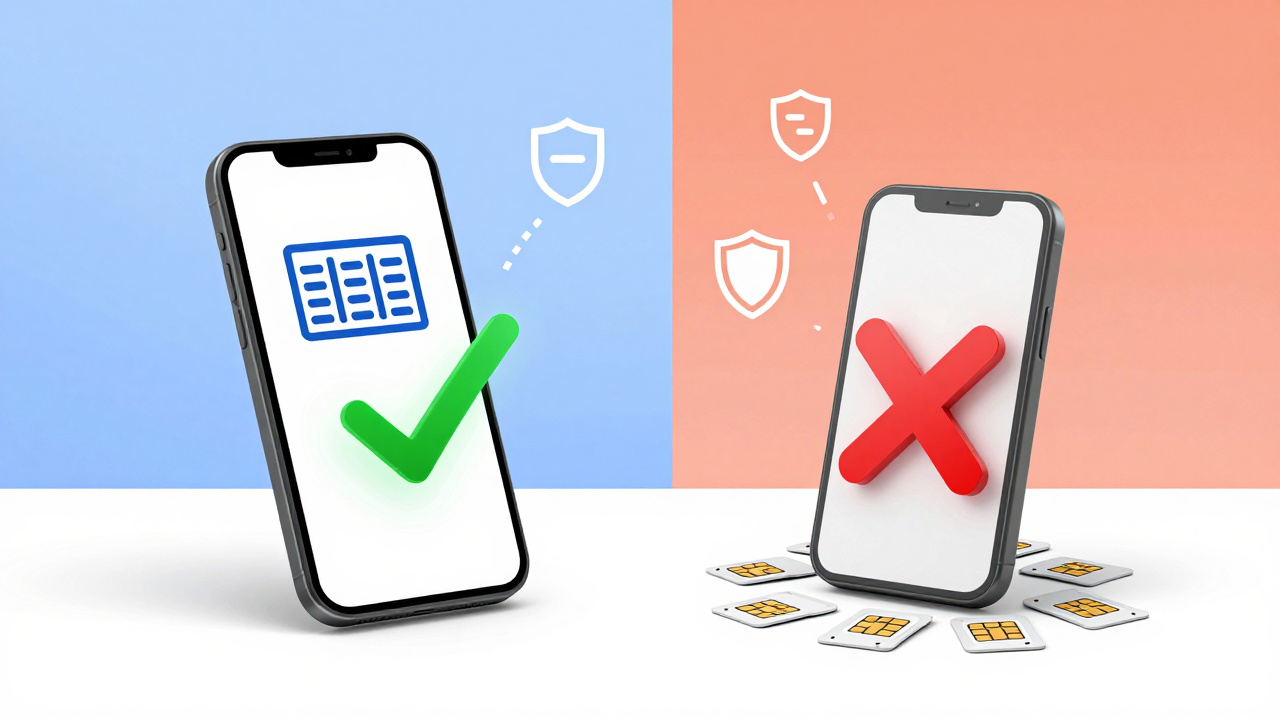
US SMS verification pricing varies wildly—from a few cents to several dollars per code. Newcomers often grab the cheapest bulk deals, only to find that over half the codes never arrive, making it more expensive in the long run.
Here's a useful benchmark: a reasonable price for a US number verification service falls between $0.07 and $0.28 per code. Anything below that range is likely a recycled or shared number. Anything above might be justified for special cases like bank-level verification, but otherwise it's poor value.
Also, pay attention to how the platform charges. Some bill per code, some charge by number rental duration, and others use a membership model. Per-code pricing suits low-volume individual users; rental duration works for businesses that need to hold numbers long-term; membership plans fit high-frequency teams. Choose based on your actual usage patterns.
A Small Detail About Number Location
Many people assume any US number will do. In reality, success rates vary by state on certain platforms. Numbers from high-population states like California and New York are used so heavily that they're more likely to be flagged. Surprisingly, numbers from central states tend to have more stable success rates. This is one of those details that takes operators years to figure out.
How to Pick a Reliable Provider: Practical Criteria
Let's wrap this up with some actionable advice. If you're shopping for a US SMS verification service, run potential providers through these checks:
- Test before you pay: any platform that doesn't offer free trials or small test packages is an automatic no-go
- Check number pool refresh frequency: more frequent updates mean cleaner numbers and higher success rates
- Clarify the refund policy: what happens if you don't receive a code—refund or replacement? Get it in writing
- Gauge support response time: send a message outside business hours and see how long it takes to get a reply—it reveals a lot about platform operations
The industry-standard approach is to start with a small deposit, test success rates across different scenarios, and only then decide on a long-term partnership. Platforms like Getfollow have earned trust among cross-border teams precisely because they support this low-barrier testing model, and their number quality holds up under scrutiny.
US SMS verification isn't rocket science, but it's not trivial either. The core principle comes down to this: don't chase the cheapest option, choose a provider with a solid reputation, and always test before scaling up. Follow these three rules and your account registration efficiency will at least double. Hopefully, this guide helps you avoid some unnecessary detours when choosing a service provider.
Frequently Asked Questions
What is the best US SMS verification service?
The best service depends on your volume and use case. For most cross-border operators, platforms with clean number pools, stable routes, and responsive support—like Getfollow—tend to deliver the most consistent results. Always test with a small batch first.
Why do I keep failing to receive US verification codes?
The most common causes are recycled numbers that have been flagged by risk controls, unstable carrier routes, and mixing incompatible use cases on the same number. Using fresh, clean numbers from a reputable provider usually solves this.
How much does a US SMS verification number cost?
Reasonable pricing for US number verification services ranges from $0.07 to $0.28 per code. If prices are significantly lower, the numbers are likely recycled. If they're much higher, you're probably paying a premium without added value.
Can I use the same US number for multiple platforms?
Technically yes, but it's risky. If a number has been used for high-risk verifications, it may trigger security flags on other platforms. For serious operations, dedicated numbers per use case are the safer approach.