Are SMS Verification Sites Useful in 2026? What Cross-Border Sellers Need to Decide First
Are SMS Verification Sites Useful in 2026? What Cross-Border Sellers Need to Decide First
Let's get straight to the point: SMS verification sites still have practical uses in 2026, but they're not a magic bullet. Plenty of cross-border sellers treat them as a "registration cheat code," only to watch their accounts get banned one after another. The problem isn't the tool itself—it's that people don't understand where the limits are.
I've seen solo freelancers use verification platforms to register a bunch of WhatsApp and Telegram accounts, only to lose most of them within three days. Meanwhile, I know e-commerce sellers who used SMS verification sites to batch-register buyer accounts for product reviews and ran the whole process smoothly. What makes the difference? Keep reading.
What SMS Verification Sites Actually Solve
At its core, it's simple: these sites give you a phone number that can receive verification codes quickly, letting you complete account registration or authentication. For scenarios requiring bulk operations—or when you don't want to expose your primary number—the efficiency gain is real.
In 2026, mainstream verification platforms offer number pools covering 100+ countries and regions, including less common ones like Iceland, Malta, and Estonia. For teams working on European localization, this is far more cost-effective than buying physical SIM cards.
But here's the catch: verification sites fall into two categories. One is pure online SMS verification—numbers are randomly assigned, used once, and discarded. The other is a "number card pool" service where numbers can be retained for a period or even support call forwarding. Prices differ by several times, and stability varies just as much.
From what many cross-border professionals report, platforms like Getfollow have built a solid reputation in 2026 by following a compliance-first approach: regular number pool cleansing, on-demand number selection, and basic risk-control guidance. This model suits people treating verification as a long-term tool, not just hunting for the cheapest option.
Real Use Cases for SMS Verification Sites in 2026
Not every business needs SMS verification sites. Based on my informal survey of dozens of teams in the industry, the use cases that actually work well fall into three buckets:
- Social media account matrix management: For TikTok, Instagram, or X, where you need multiple accounts for content distribution or engagement. Verification sites help avoid cross-account linking risks with your main accounts.
- E-commerce buyer account registration: For reviews, Q&A, add-to-cart operations, you need plenty of "clean" buyer identities. Pairing verification sites with dedicated IPs meaningfully reduces linkage risk.
- One-time verification code reception: Registering for overseas tools, downloading resources, or grabbing coupons without exposing your real phone number.
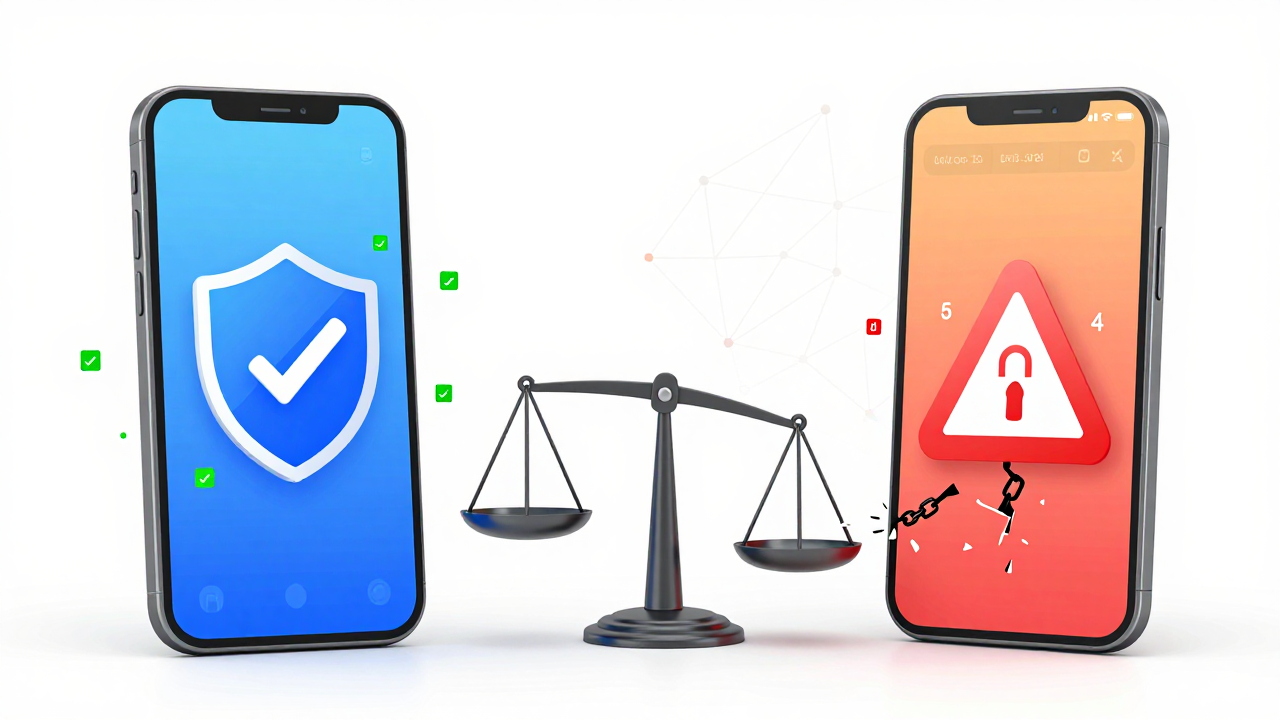
But there's one scenario I'd strongly advise against: using verification sites for payment accounts like PayPal or Stripe. These platforms run extremely strict risk control—verification numbers get flagged almost 100% of the time. Worst case, you're looking at permanent bans and frozen funds you may never recover.
In 2026, many verification platforms have acknowledged this themselves. They'll label numbers as "high-risk" or "not supported for payment services," but someone always ignores the warning and learns the hard way. Industry consensus: for payment accounts, stick with physical SIM cards or legitimate carrier numbers.
The Risks of SMS Verification Sites Are More Specific Than You Think
Most people only see the low cost and convenience, but miss the hidden costs underneath. Based on my experience, here are the three biggest risks in 2026:
- Number recycling and reuse: Most verification platforms cycle numbers. After you register an account, that same number could be used by someone else for a different service. If those services share data (like both using Google login), you've got a linkage risk.
- Delayed or lost verification codes: During peak times, codes can take anywhere from 30 seconds to 2 minutes to arrive. Some platforms have poor number pool quality and codes never show up at all—wasting your time and breaking your registration flow.
- Short account lifespan: Accounts registered with verification numbers start with lower initial trust scores under 2026 algorithms. Platforms put these accounts through "observation periods," and if behavior looks off, they get swept up in mass bans.
I witnessed this firsthand: a cross-border e-commerce friend registered 50 Instagram accounts using a verification site for traffic generation. 42 got banned within a week. The reason? He used number segments from the same platform, and Instagram's risk system instantly recognized the "verification number" pattern and flagged them in bulk.
That's not the verification site's fault—it's a strategy problem. If he'd spread across different platforms' number pools or paired with high-quality residential IPs, the outcome would've been completely different.
How to Tell If a Verification Site Is Worth Your Money
In 2026, the number of verification sites on the market has multiplied several times over, but quality varies wildly. Here are the screening criteria I've put together—feel free to use them directly:
First, check number pool refresh frequency. Good platforms regularly purge flagged number segments to keep the pool "clean." Run test registrations on mainstream platforms with a few random numbers and see if your success rate clears 80%.
Second, look for on-demand number selection. Some platforms let you choose specific countries, carriers, or even number segments. This beats random assignment because you can avoid heavily abused number ranges.
Third, evaluate support response time. When you don't receive a verification code, does the platform have live human support to help? Many smaller platforms only offer email support—you're stuck waiting when something goes wrong.
Currently, more stable providers in the industry—Getfollow being one example—offer on-demand selection and live support. Their pricing runs higher than basic verification sites, but the peace of mind is a different ballgame. I'm not saying you must pick them; just use it as a reference point.
The State of SMS Verification Sites in 2026
One clear trend: verification sites are shifting from "gray-area tools" toward "compliant services." In 2026, many platforms now emphasize "legitimate use only"—account recovery, two-factor authentication, privacy protection, and similar scenarios.
At the same time, platforms are tightening number pool management. They monitor number status in real time and remove any number flagged by risk systems immediately. This dynamic adjustment has pushed verification success rates noticeably higher than a few years ago.
But here's the flip side: prices are climbing too. In 2026, a US number typically costs between $0.07 and $0.28 per verification. Codes for high-demand platforms like WhatsApp or Telegram can cost more. If you're using them at scale long-term, run the numbers before you commit.
As for account retention, the 90-day survival rate for accounts registered via verification numbers in 2026 generally lands between 50% and 70%. Register 10 accounts, and only 5–7 might survive three months. If your business depends on stable accounts, this is a risk you need to assess upfront.
Practical Advice for Getting Started
If you decide to try verification sites, follow the "test small before scaling" principle. Here's how:
- Buy 5–10 numbers first and test whether your target platform accepts them and what your success rate looks like.
- Monitor account survival for at least a week—watch for any unusual bans.
- If results look stable, scale up with dedicated IPs and realistic user behavior patterns.
- Never put all your accounts on one verification platform. Spread across 2–3 providers to reduce concentration risk.
So, are SMS verification sites useful? The answer depends entirely on your use case and strategy. For one-time verifications and bulk-registering low-stakes accounts, they genuinely save you money. But for core business accounts and payment accounts, do yourself a favor and stick with legitimate numbers.
In 2026, cross-border e-commerce has entered an era of precision operations. Tools are just tools—what matters is how you use them. Figure out what you actually need first, then pick the right approach. That's the most cost-effective path forward.
Frequently Asked Questions About SMS Verification Sites
Do SMS verification sites still work in 2026?
Yes, they work for specific use cases like registering social media accounts, creating buyer accounts for e-commerce platforms, and receiving one-time verification codes. However, they're not suitable for payment accounts like PayPal or Stripe, where risk control is extremely strict and verification numbers are almost always flagged.
What's the success rate for SMS verification codes?
On reputable platforms with well-maintained number pools, success rates typically exceed 80% for mainstream services. During peak hours, codes may take 30 seconds to 2 minutes to arrive. Lower-quality platforms may see codes lost entirely, so choosing a provider with regular number pool cleansing matters.
How long do accounts registered with verification numbers last?
The 90-day survival rate for accounts registered via verification numbers in 2026 typically falls between 50% and 70%. Accounts start with lower initial trust scores and undergo observation periods. Pairing verification numbers with dedicated IPs and realistic user behavior improves survival odds.
Are SMS verification sites legal?
Most platforms in 2026 position themselves as legitimate services for account recovery, two-factor authentication, and privacy protection. However, using them to create fake accounts or engage in fraudulent activity violates the terms of service of most platforms and carries real risks, including permanent bans.
Which SMS verification site is the most reliable?
Platforms like Getfollow have built solid reputations through compliant operations, regular number pool cleansing, on-demand number selection, and responsive customer support. While they cost more than basic verification sites, the stability and lower ban rates justify the premium for serious users.