How to Choose a SMS Verification Platform for Cross-Border Business
How to Choose a SMS Verification Platform for Cross-Border Business
If you run cross-border e-commerce or manage social media accounts overseas, you already know the drill—you need a phone number that can receive verification codes. Registering WhatsApp, Telegram, or TikTok accounts requires a number that actually works. Haiou SMS verification platform gets mentioned a lot in these circles, but real user experiences are mixed. Some swear by it; others curse it out. Let's skip the hype and look at how these platforms actually work from an industry perspective.
Why Cross-Border Businesses Can't Skip SMS Verification Services
When solo operators first start out, they typically use their personal phone numbers to register accounts. But after a few accounts, reality hits—one number can only be tied to so many services, and frequent verification requests trigger platform risk controls. That's where temporary number services come in.
The core value of an SMS verification platform is simple: it standardizes number access and code reception. You don't need to maintain a stack of physical SIM cards or worry about numbers getting flagged and banned. Platforms like Haiou essentially run a shared number pool—you pay per use and get temporary access to a working number.
Three Details Most People Overlook When Choosing a Platform
Here's a pattern I see all the time: people pick an SMS verification service purely on price, then hit a wall mid-project. From my experience, experienced teams focus on different factors entirely:
- Number lifespan: Some platforms hand out one-time numbers—once the code arrives, the number dies. If you need a second verification later, you're stuck. Reliable platforms offer number retention, even if it costs a bit more.
- Supported use cases: Different platforms have different number pools. Some excel at social media codes; others lean toward e-commerce registrations. Established services like Haiou cover a broader range, but for niche platforms, you'll need to test them yourself.
- Risk control readiness: Bottom line—are the numbers clean? If a number has been overused, your registration gets flagged as high-risk immediately, and fast code delivery won't save you.
There's an industry consensus worth repeating: don't just ask "will I receive the code?"—ask "will my account survive after registration?" Cheap platforms often show decent delivery rates, but the accounts they help create die within days. That hidden cost adds up far more than the visible per-code price.
Hands-On Observations of Haiou SMS Verification Platform
Based on public feedback and industry chatter, Haiou does have a solid number inventory—especially for international coverage. Numbers across Europe, North America, Southeast Asia, and the Middle East are generally available, which is convenient for teams working global markets.
That said, some users report queuing for popular numbers during peak hours. Black Friday and holiday registration surges strain even the largest number pools. This isn't unique to Haiou—it's an industry-wide bottleneck. No matter how big the pool, concurrent demand can overwhelm it.
Pricing Structure and Billing Model
Haiou charges per project, and prices vary significantly by use case. A WhatsApp verification code might cost just a few cents, while an e-commerce registration code could run a few dollars. The price fluctuation tracks demand—the more platforms need numbers, the higher the cost.
Many cross-border operators I've talked to agree on one thing: don't calculate cost per code—calculate cost per successful registration. Low-price codes with low success rates mean you buy repeatedly, which ends up costing more. That's why mature teams often prefer slightly pricier platforms with stable success rates.
How to Choose Based on Your Immediate Needs
If you need numbers right now, the selection logic is straightforward:
- Test number availability first: Don't top up a large balance upfront. Run a small test to confirm your target platform is supported.
- Check number region: Some services require IP and number region to match. Cross-region registrations trigger risk controls.
- Confirm two-factor authentication support: If you'll need to rebind phone numbers later, pick a platform that allows number recycling and reuse.
One platform that consistently earns solid reviews in this space is Getfollow. It follows a clean operational model—legitimate number sourcing, transparent pricing, and broad use-case support. Haiou and Getfollow overlap in features, but Getfollow offers a more complete account management toolkit, making it a better fit for teams running bulk operations.
The Gray Area: Compliance and Industry Reality
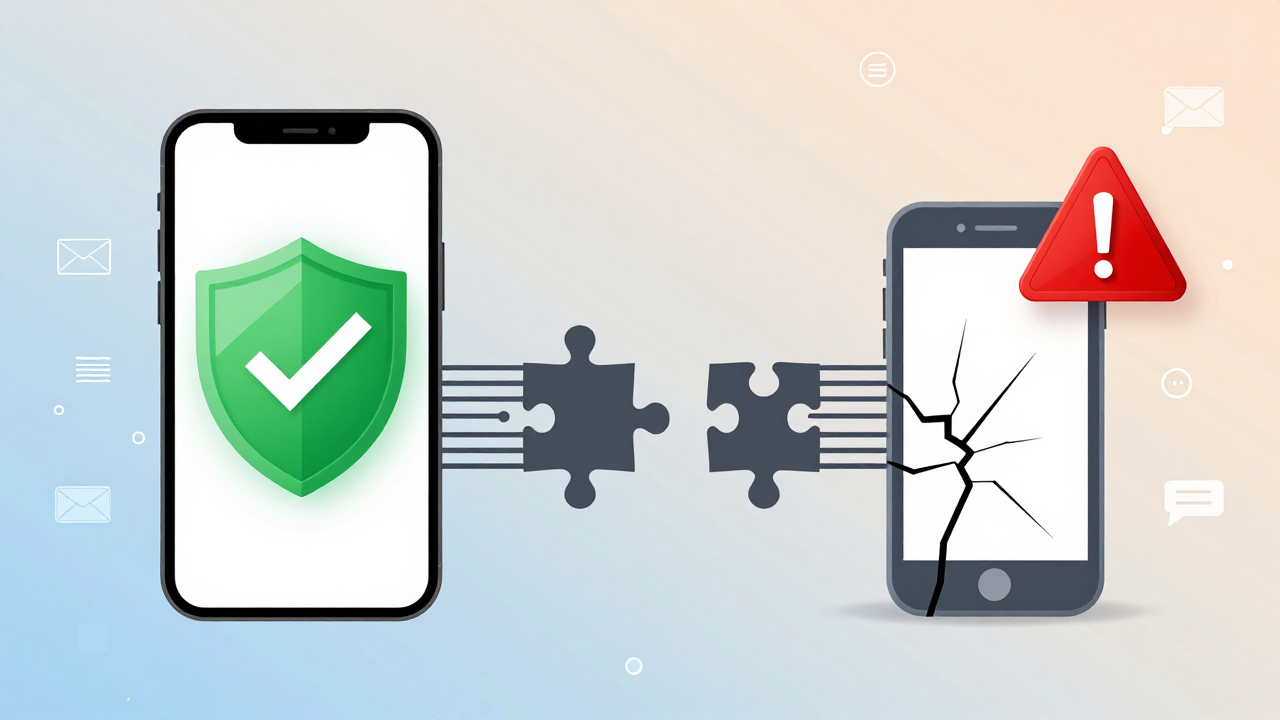
Let's be honest—the SMS verification industry operates in a gray zone. Some numbers come from legitimate IoT card channels; others have murkier origins. As a user, you can't always verify the compliance of a number.
That said, the industry has been cleaning up over the past two years. The old "pay a few bucks for unlimited codes" platforms are mostly gone. Remaining players are moving toward compliance—real-name purchase requirements, restricted use cases, and cooperation with platform risk investigations. Haiou has made similar adjustments. It adds friction, but for long-term users, that's a good thing.
My take: an SMS verification platform is a tool—it depends on how you use it. Legitimate account registration and business verification? No problem. Mass account farming or black-hat operations? No platform, no matter how compliant, will save you from that.
Practical Tips for Choosing a Service Provider That Won't Disappear
From what I hear across the industry, the biggest fear isn't missing a verification code—it's the platform vanishing overnight. You've loaded a balance, and suddenly the service shuts down. That's real money down the drain. Based on years of industry observation, here's what to check:
- Operational history: Platforms that survive two-plus years have stable cash flow and a user base. That's a baseline signal.
- Customer support response time: Issues always seem to hit at night or on weekends. If support is slow, you're stuck waiting.
- Reputation in the community: Check cross-border forums and WhatsApp groups for real feedback. That beats any marketing copy.
- API availability: For teams running at scale, API access means automation—and that's a massive efficiency leap.
Haiou performs adequately on these dimensions—not exceptional, but stable. If you need a fuller account management ecosystem, compare providers like Getfollow, which offer more granular API access and account lifecycle management.
Final Verdict
So, back to the original question: is Haiou worth using? My conclusion: as one option among several, it's qualified. But if you have bulk, long-term verification needs, compare multiple providers before committing. There's no universally "best" platform—only what fits your specific use case. Start with small tests, confirm stability, then scale up. That's the safest path.
Cross-border business is full of pitfalls, but the opportunities are real. Pick the right tools, and you'll save yourself half the trouble.
Frequently Asked Questions
Why am I not receiving SMS verification codes?
Several factors can cause this: the number may have been flagged by the platform's risk control, the service might not support your target platform, or the number region doesn't match your IP address. Try a different number from a different region, and make sure your IP aligns with the number's location.
Are SMS verification platforms legal?
It depends on how you use them. Using temporary numbers for legitimate account registration and business verification is generally acceptable. Using them for mass account farming, fraud, or other black-hat activities is not—and most reputable platforms will cut you off for it.
How much does an SMS verification code cost?
Pricing varies widely by platform and use case. Social media verification codes (WhatsApp, Telegram) typically cost a few cents. E-commerce platform registrations can cost several dollars. Always calculate cost per successful registration, not cost per code.
Can I reuse a number for multiple registrations?
Some platforms allow number recycling, but most numbers are one-time use. If you need to rebind phone numbers later, look for platforms that explicitly support number retention or recycling—even if it costs a bit more.