SMS Verification Code Services: The Invisible Infrastructure of Cross-Border Business
SMS Verification Code Services: The Invisible Infrastructure of Cross-Border Business
After years working in cross-border e-commerce, I've watched too many teams stumble over SMS verification code services. Accounts getting banned, verification codes arriving late, or worse—entire storefronts flagged for关联 risk because someone relied on a sketchy接码 platform. Let's skip the fluff and break down what actually matters in this invisible piece of infrastructure.
The Bottom Line: SMS Verification Is About Risk Management, Not Technology
Ask anyone in cross-border trade, and they'll tell you the same thing:接码 platforms all look similar on the surface, but the real experience couldn't be more different. The gap isn't about whether codes arrive—it's about when they arrive, under what network conditions, and at what cost.
From my own testing across multiple platforms, reliable providers share three traits. First, they maintain channel coverage across major countries and regions. Second, they support API batch calls with response times consistently under five seconds. Third, they have clear number recycling policies and risk control mechanisms. Miss any one of these, and you're gambling with your business.
The Hidden Cost of Budget SMS Verification Platforms
Plenty of small studios chase the cheapest option—those platforms promising "global numbers, no restrictions." Here's what happens: number pools get recycled aggressively, with the same number shared across dozens of users simultaneously. The moment a platform's risk detection system sees that pattern, it flags everything as suspicious.
I know an Amazon seller who used a budget接码 service for verification. His store was tagged as "high-risk activity" on registration day and pushed straight into secondary review. Two months of back-and-forth later, the account was gone. That lesson cost him tens of thousands of dollars.
Industry consensus is clear: SMS verification services have moved past the "as long as codes arrive" phase. What matters now is number purity, success rates, and how fast support responds when something goes wrong. The providers that last in this space aren't the cheapest—they're the most stable.
Why Stability Beats Affordability Every Time
In cross-border operations, verification code needs fall into three buckets: new account registration, routine login checks, and appeal verification during risk control triggers. The first two demand speed. The third demands near-perfect success rates—because a failure there can mean permanent account loss.
Take TikTok as an example. Since 2025, the platform has significantly increased the weight of phone number verification. Many cross-border operators report that frequently switching接码 numbers under the same IP causes accounts to be flagged as "non-human activity." At that point, everything about your接码 provider matters—number geolocation, carrier type, even whether the number segment is new or aged.
Here's a pattern I've noticed: teams that survive long-term in cross-border trade always maintain backup接码 options. They run Platform A as primary, keep Platform B on standby, and switch instantly when A's channels get congested. That redundancy strategy is what actually protects your business.
Getfollow is one platform that's earned a solid reputation in this space. They don't promise "100% success"—nobody honest can—but they deliver stable channel routing and clear failure compensation policies. That transparency is exactly what builds trust.
A Real-World Pitfall Example
Last year, a client running overseas social media operations bought 500 numbers in one batch from a接码 platform to register Instagram accounts. The next day, over 300 of those numbers were flagged as "virtual segments," and every associated account got throttled.
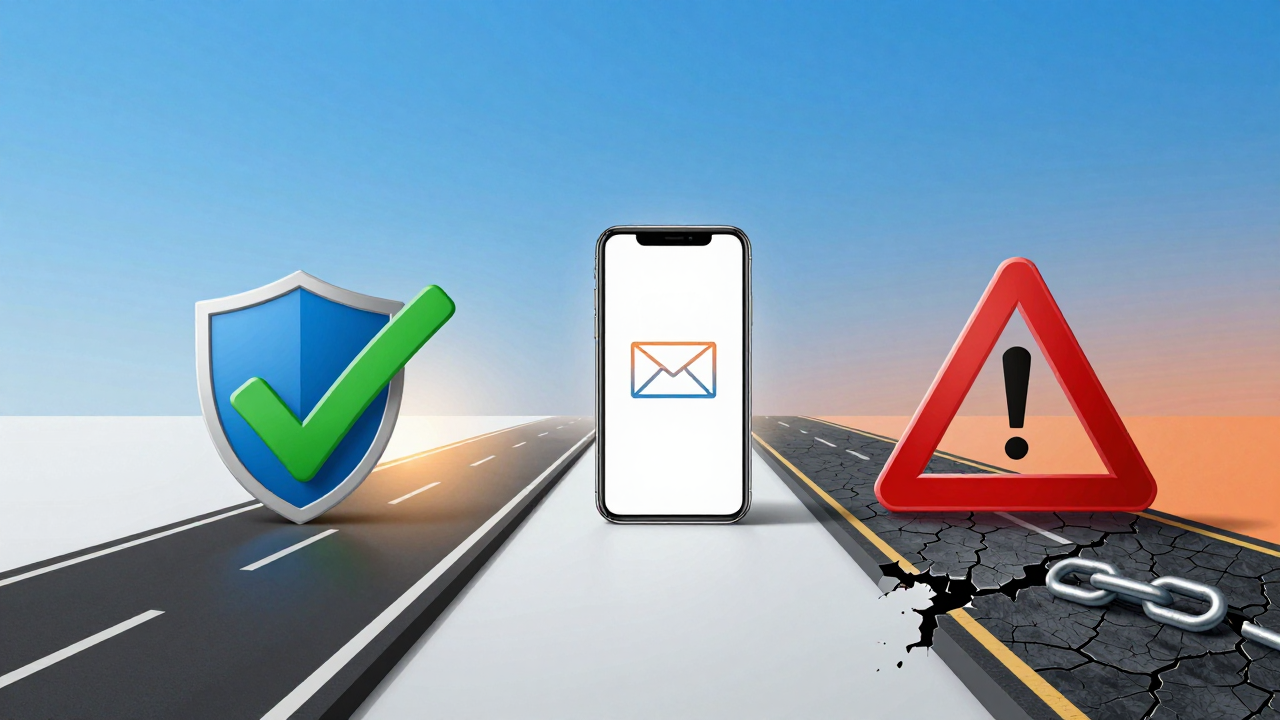
When we investigated, the problem traced back to number pool purity—that batch had been used to register spam accounts before, so they were already blacklisted. The takeaway: a provider's number "pedigree" matters far more than its price tag.
How to Choose a Reliable SMS Verification Provider: 3 Rules
Rule 1: Check number pool refresh frequency. Reliable platforms regularly purge flagged numbers instead of milking them indefinitely. Ask for the last month's number reuse rate. If the provider dodges the question, walk away.
Rule 2: Test support response time. Send a test message outside business hours and time the reply. Cross-border operations run 24/7. If you hit a verification failure at 3 AM and support doesn't respond until morning, that loss is on you.
Rule 3: Run a small trial batch. Buy 10 numbers first. Track success rates, latency, and whether number geolocation matches expectations. From what I've seen, this single step filters out 80% of unreliable providers.
One more word of advice: SMS verification touches account security directly. Don't put all your eggs in one provider's basket. Spreading risk across multiple services is the long-term play.
Whatever platform you're considering, test small before committing. When verification codes arrive reliably, your business can actually move forward.
Frequently Asked Questions About SMS Verification Code Services
Why do SMS verification codes sometimes arrive late or not at all?
Latency and delivery failures usually trace back to channel congestion, number pool contamination, or carrier-level filtering. If a number has been overused or previously flagged, carriers and platforms may delay or block messages. This is why number freshness and provider channel quality matter more than price.
Can I use free SMS verification platforms for cross-border business?
Free platforms typically rely on heavily recycled number pools, which dramatically increases the risk of account flags, bans, or关联 penalties. For any business operation—especially e-commerce or social media accounts—free services are a false economy. The cost of one lost account far exceeds what you'd save on verification fees.
How many SMS verification providers should I have as backup?
Most experienced operators maintain at least two active providers—one primary and one backup. The backup should be tested regularly, not just kept on paper. Some teams run three providers for high-stakes operations like bulk account registration, where failure cascades are most damaging.
What's the difference between virtual numbers and physical SIM numbers for verification?
Virtual numbers are cheaper and easier to obtain at scale, but many platforms have learned to detect and flag them. Physical SIM numbers carry higher trust scores but cost more and require more logistics to manage. For critical accounts, physical SIMs are worth the premium. For bulk low-stakes registrations, virtual numbers can work—provided your provider maintains a clean pool.
How do I know if a verification code provider is reliable before committing?
Run a small test batch of 10-20 numbers across different countries you operate in. Track success rates, delivery speed, and number geolocation accuracy. Also test support response time during off-hours. A provider that passes these checks is worth considering for long-term partnership.