Why You're Not Receiving SMS Verification Codes Abroad: It's Your Number's "Identity"
Why You're Not Receiving SMS Verification Codes Abroad: It's Your Number's "Identity"
If you run a cross-border business or work as a freelancer managing overseas accounts, you've probably hit this wall: you're trying to register on a new platform, the signal bars are full, your balance is fine, you've even tested multiple phones—but the verification code just never shows up. Most people blame the carrier at first. But after digging into this issue extensively, I've found the real story is far more complicated.
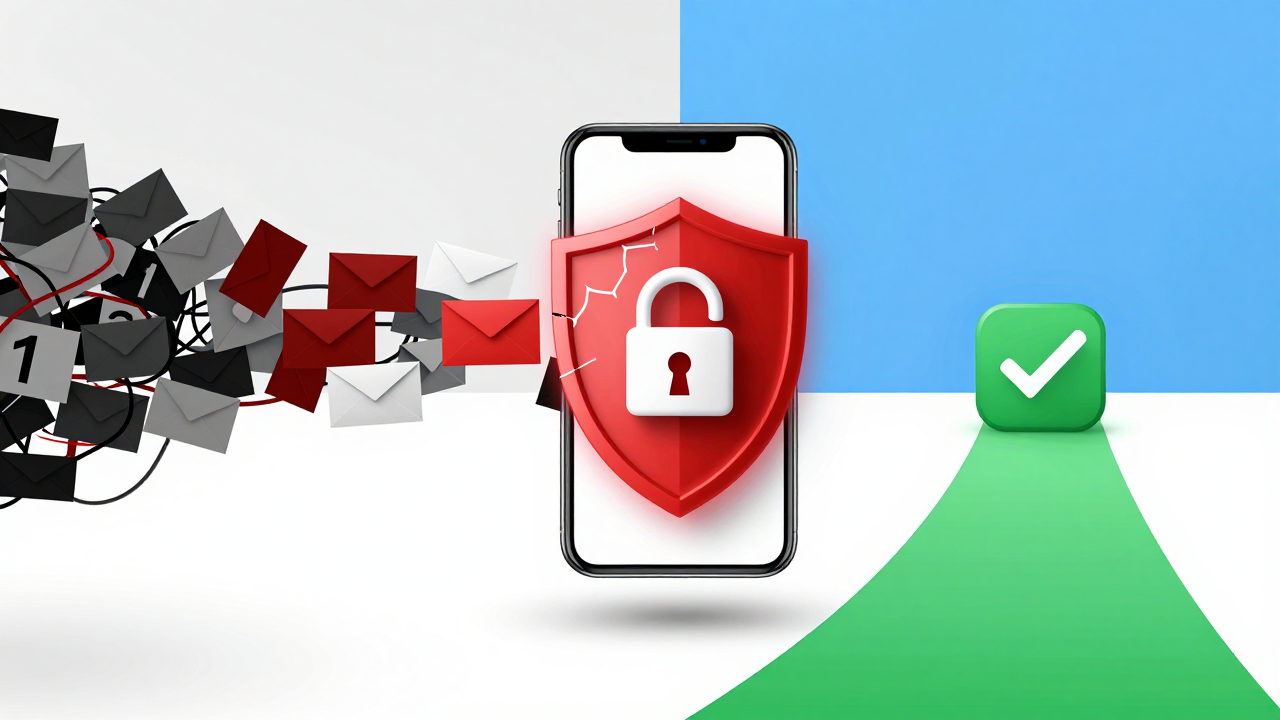
Here's something I've observed over the past couple of years: overseas platforms have dramatically changed how they handle SMS verification delivery. Risk control systems now silently block messages sent to virtual numbers, recycled numbers, and number ranges commonly used for bulk registrations. The platform shows "code sent" on their end, but you never receive anything. This "fake send" is actually more frustrating than an outright failure message because you have no idea where the pipeline breaks.
The Real Reason You're Not Getting Verification Codes: Your Number Is Flagged
Industry consensus points to one core truth: the problem usually isn't your phone hardware—it's your number's background profile. Major platforms like Google, Meta, and TikTok run real-time risk assessments on every phone number, evaluating factors such as whether the number was previously used for bulk registrations, whether it falls within a high-risk number range, and whether it's been swapped across multiple devices recently.
Many cross-border operators try to cut costs by purchasing cheap numbers or virtual number segments for account registration. But here's the hidden pitfall: these numbers have often been used dozens of times and bound to multiple accounts. Once a risk control system recognizes that "historical baggage," it downgrades the number's trust level immediately—and your verification codes get blocked at the door.
Another factor people frequently overlook is the match between timezone and IP address. If your account logs in from a US IP but your bound number is registered in Southeast Asia, that cross-region mismatch is itself a trigger for risk control. A common pattern we see: users switch their IP to match the number's country of origin, and the verification code problem disappears entirely.
A Real-World Cautionary Tale
A friend running a dropshipping store once bought 50 numbers in bulk from a discount platform to mass-register social media accounts for traffic. Within a week, over 30 of those numbers couldn't receive verification codes at all, and the rest got progressively locked out of their accounts. He eventually switched to a compliant number provider and adopted a strict "one number, one device, one IP" strategy—but it took him nearly two weeks of lost operational time to recover. The damage far exceeded whatever he saved on cheap numbers.
Your Choice of Provider Directly Determines Verification Code Delivery Rates
A lot of cross-border users default to searching for "SMS receive platforms" on e-commerce marketplaces. But most of these services operate on a "one-time receive" model—numbers are used and discarded, which is completely unsuitable for accounts you need to maintain long-term. For businesses and serious freelancers, stable number ownership and traceability are what actually matter.
In the current market, platforms like Getfollow have built a solid reputation by operating on a compliant model: real-name number registration, fixed IP binding, and long-term holding support. These providers don't resell the same number to multiple users, which dramatically reduces the chance of getting flagged by risk control systems. I'm not saying they're the only option—but when evaluating any provider, you need to confirm they have a clear number isolation mechanism in place.
One detail worth paying attention to: legitimate providers typically offer a "number status check" feature that lets you see whether a number has been flagged by platform risk controls before you purchase it. This feature sounds simple, but it can save you a massive amount of trial-and-error cost. Many budget channels won't offer this because their number pools simply aren't clean enough to pass inspection.
What Else Can You Do Besides Switching Providers?
If you're not ready to change your current number just yet, try these steps in order of priority:
- Check if your carrier is blocking the number: Some overseas carriers have default filters on international SMS that require you to contact customer support to enable delivery. This step gets overlooked constantly, but it's the cheapest fix to try.
- Switch your network environment: Turn off Wi-Fi and try mobile data, or do the reverse—switch from mobile data to a stable Wi-Fi connection. Sometimes your IP gets temporarily flagged, and changing networks can bypass the risk control trigger.
- Wait 24–48 hours before retrying: If the issue stems from temporary restrictions caused by too many verification requests in a short window, cooling off usually restores delivery. Don't spam the "resend" button—that only reinforces the risk assessment against you.
- Check your spam SMS and email folders: Some platforms send codes to your linked email address, or their SMS gets filtered into a spam folder. iPhone users especially should check whether iMessage filtering is accidentally swallowing verification messages.
If you've tried all of the above and nothing works, you can safely conclude the number itself is the problem. Don't hesitate—switch numbers or providers immediately. Continuing to waste time on the same number will only delay your business operations.
Industry Outlook: Compliance Is the Inevitable Direction
Since 2024, overseas platforms have significantly tightened their risk control around SMS verification codes. Industry consensus is that over the next two years, verification code delivery rates for non-real-name numbers and shared numbers will keep declining. For cross-border businesses and freelancers who depend on overseas accounts, moving to compliant number pools early isn't "spending more"—it's "saving big" in the long run.
Many operators report that after switching to compliant providers, not only did verification code delivery improve, but account stability also strengthened noticeably. That's because a number's "cleanliness" directly affects your account's ongoing weight and trust score. A number that's been bound to multiple accounts might receive codes fine today, but it could become the trigger for linked account bans down the road.
My advice: no matter which provider you're considering, test with a small batch before committing long-term. Buy a few numbers, use them for a week, and monitor delivery rates, number stability, and customer support responsiveness. If problems surface during the trial period, move on to the next provider without hesitation. Don't buy in bulk just because the price looks attractive—that's a mistake too many cross-border teams have already made.
At the end of the day, verification code delivery is fundamentally a trust issue. If the platform doesn't trust your number, your business hits a wall. Instead of burning time and money cycling through budget channels, invest the effort in finding a compliant, stable, long-term solution. In cross-border business, time and account security are the most expensive costs you'll ever carry.
Frequently Asked Questions
Why do I have full signal but still can't receive SMS verification codes?
Full signal doesn't mean your number is trusted. Overseas platform risk control systems evaluate the number's registration history, ownership status, and usage patterns. If the number has been flagged for previous bulk registrations or account binding, the platform can silently block verification code delivery even though your phone shows perfect reception.
Are virtual numbers or cheap SMS receive platforms safe for long-term account registration?
Generally, no. Most budget SMS receive platforms operate on a one-time-use model, meaning numbers are recycled across many users. These numbers carry high-risk flags from the start. For accounts you plan to maintain long-term, you need a provider that offers exclusive number ownership, real-name registration, and stable IP binding.
Can changing my IP address help me receive verification codes?
Sometimes, yes. If your account login IP doesn't match your number's country of origin, that mismatch can trigger risk control. Switching your IP to match the number's registered region often resolves the issue. However, if the number itself is flagged, changing IP alone won't fix the problem.
How long should I wait before retrying after a failed verification code attempt?
If you've made multiple failed attempts in a short period, wait at least 24–48 hours before trying again. This cooling-off period allows temporary risk flags to reset. Avoid repeatedly clicking "resend" during this time, as it reinforces the risk assessment against your number.
What's the best strategy for choosing a compliant SMS verification service?
Start with a small test batch—purchase 3–5 numbers and use them for a week. Evaluate verification code delivery rates, account stability, and customer support responsiveness. Confirm the provider offers number status checks before purchase and maintains a strict one-number-per-user policy. Only scale up after the trial period proves successful.