How to Choose a SMS Verification Platform in 2026: Three Pitfalls Cross-Border Businesses Must Avoid
How to Choose a SMS Verification Platform in 2026: Three Pitfalls Cross-Border Businesses Must Avoid
After years of working in cross-border e-commerce, I've watched too many teams stumble right at the account registration stage. By 2026, platform risk-control systems have evolved far beyond the days when any random phone number could get you through. SMS verification platforms—often dismissed as a gray-area tool—have quietly become essential infrastructure for anyone serious about cross-border operations.
The problem? The market is flooded with options, and plenty of them are bad news. Some offer dirty number pools where a verification code takes three minutes to arrive. Others simply swallow your code and never deliver. This isn't another one of those broad industry reports. Consider this a field guide from someone who lives and breathes account management—here's what actually determines whether your accounts survive in 2026.
First Things First: What Problem Does an SMS Verification Pool Actually Solve?
Newcomers often assume SMS verification is just "receiving a code." But by 2026, verification pool services have split into distinct categories. Broadly, there are three use cases: registration verification, account warming support, and number pool isolation for bulk operations.
Registration verification is the most basic—and the most trap-filled. I've tested dozens of platforms and noticed a clear pattern: suspiciously cheap number segments are almost always sourced from IoT cards or unverified channels, and risk-control systems flag them instantly. Major cross-border platforms like Amazon, TikTok Shop, and Facebook have gotten very good at identifying virtual number segments in 2026.
Account warming is a different game entirely. This demand typically comes from teams running matrix accounts. They need numbers that can be held long-term and receive follow-up verifications—not one-time disposable codes. In this scenario, stability matters more than speed.
Industry consensus is clear: the core competitive edge of SMS verification platforms in 2026 is no longer the sheer volume of numbers, but the balance between number segment quality and risk-control pass rates. A common pattern we see: experienced cross-border operators don't ask about price first. They ask, "Do you have stable number segments specifically for Platform X?"
Pitfall #1: Don't Fall for "Unlimited Codes at Rock-Bottom Prices"
I've seen plenty of solo studios sign up for $9.99-per-month "unlimited verification" plans to save a few cents. The result? Eight out of ten registered accounts get banned within seconds, and the remaining two die during secondary verification.
Here's the insider logic most people don't see: verification platforms also have to source their numbers from upstream suppliers, and that costs real money. If a platform claims unlimited supply at absurdly low prices, the numbers are almost certainly recycled second-hand accounts or bulk-registered "black numbers." Using those for cross-border accounts is like dancing on the edge of a cliff.
From my experience, the platforms that survive long-term in 2026 are actually limiting their verification volume. They cap daily verification counts per account and even require real-name authentication. That's not to inconvenience you—it's to protect the overall risk profile of their number pool.
My advice: prioritize stability over price. Even if it costs twice as much, a platform that maintains an 80%+ registration success rate is worth it in the long run.
Four Hard Criteria for Choosing a Verification Platform in 2026
Based on two years of hands-on testing, here's a screening framework that filters out 90% of the junk platforms out there:
- Number Segment Refresh Frequency: In 2026, major cross-border platforms update their flagged number lists almost monthly. Good verification platforms clean out compromised segments in sync, rather than keeping stale numbers listed for sale. Check their segment list—if it hasn't changed in six months, walk away.
- Success Rate and Delivery Time: Don't trust advertised "99% success" claims. Spend a few dollars and test it yourself. Pay close attention to the time between requesting a code and receiving it. If it takes over 60 seconds, move on. Many platforms now issue verification codes with a 5-minute expiry window—you can't afford to wait.
- API Integration Support: If you're using automation tools instead of manual registration, API stability is your lifeline. Many platforms claim API support but suffer constant timeouts in practice. Test this before committing.
- Number Recycling and Refund Policy: When codes get swallowed or errors occur, does the platform refund promptly or make excuses? This detail reveals everything about their operational standards. The most reputable platforms in the industry offer a "full refund if no code received" guarantee.
Speaking of which—platforms like Getfollow have built a solid reputation by following exactly this playbook: regular number pool cleansing, API support, transparent pricing, and no gimmicky low-price bait. I'm not telling you to pick them specifically, but use these criteria to evaluate any candidate platform you're considering.
Real Case Study: How a 50K-Follower Account Died Overnight
Last year, a friend running a TikTok matrix operation came to me in distress. An account he'd spent six months warming, with over 50,000 followers, got permanently banned. Appeals went nowhere. After digging, the root cause traced back to the verification number he'd used at registration.
He'd used an unverified number segment to save time. Registration succeeded at the time, but that segment was later flagged as high-risk by TikTok. In 2026, platform risk-control systems periodically audit the number sources of accounts created earlier. Once they detect a high-risk segment, they issue mass bans—no appeal, no warning.
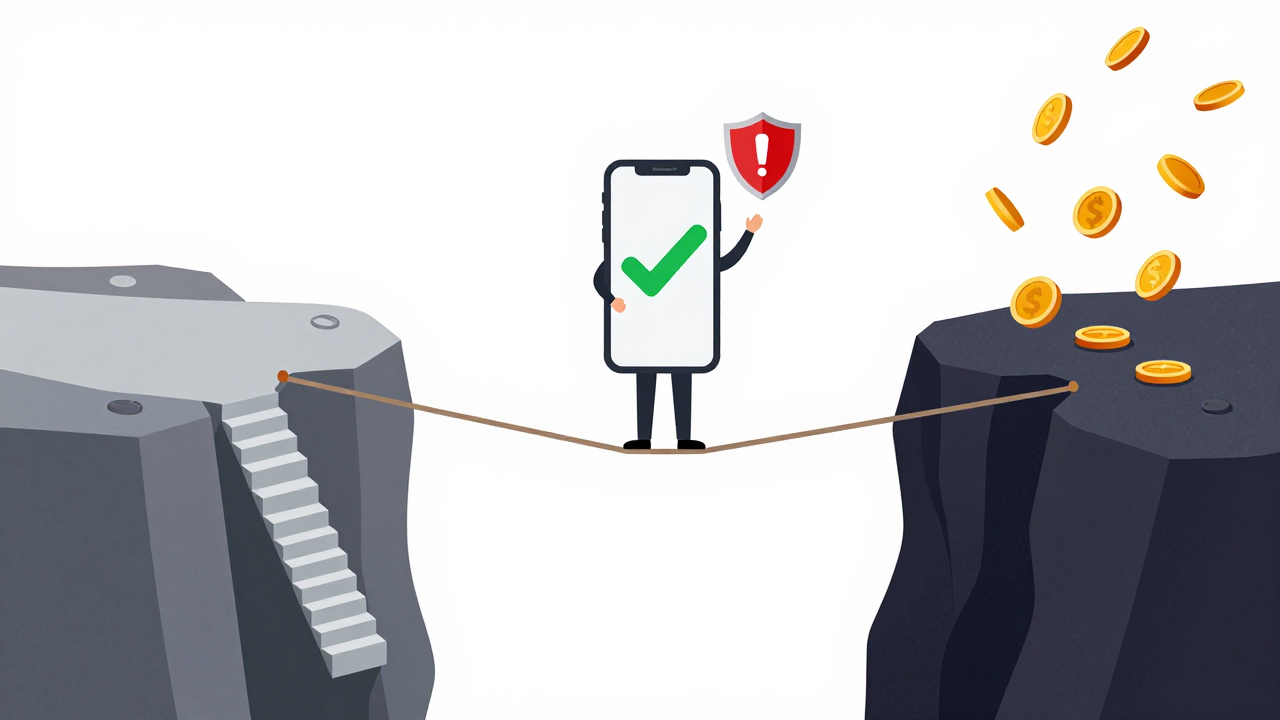
This case drives home two lessons: first, the quality of your registration number determines your account's "background"; second, don't assume success at registration means you're safe—risk control is continuous.
If you're building long-term accounts, I strongly advise against using one-time verification numbers for your primary accounts. Spend the extra money on segments that can be held long-term and receive follow-up verification codes. The math works out in your favor.
Industry Snapshot: The 2026 Shakeout Is Here
Looking at industry dynamics in the first half of 2026, verification platforms are undergoing massive consolidation. On one side, carriers are cracking down hard on unverified SIM cards, driving up sourcing costs. On the other, cross-border platform algorithms are getting smarter—simply "switching numbers" no longer slips through the cracks.
Many small platforms have quietly shut down due to exhausted number sources or unmanageable failure rates. The survivors fall into two camps: large platforms with stable carrier partnerships, or niche providers serving specific verticals.
The industry consensus is that SMS verification pool services have shifted from "quantity competition" to "quality competition." Platforms still relying on old tactics and low-price bait are seeing their margins shrink by the day.
For cross-border businesses and solo operators, this is actually good news. It means that if you invest a little effort in vetting, you can find genuinely reliable service providers.
Frequently Asked Questions About SMS Verification Platforms
Will accounts registered with verification platform numbers get banned?
It depends on the quality of the number segment and the platform's risk-control policies. In 2026, there's a real ban risk for accounts using verification numbers—especially low-quality segments. But if you choose a platform with stable number sources and regular cleansing, the risk drops significantly. Also, warm up your account normally after registration and avoid sensitive actions immediately.
How do I pick a trustworthy verification service provider?
Three steps: First, check if number segments are refreshed regularly—avoid stale pools. Second, spend a small amount on a test run to measure real success rates and delivery times. Third, confirm the refund policy, especially for swallowed codes. Platforms like Getfollow have built solid reputations with proper segment management and responsive support, but your final choice should match your specific needs.
What's the difference between a verification pool and a standard SMS platform?
Standard SMS platforms typically provide one-time codes that expire immediately after use. Verification pools emphasize the "pool" concept—numbers can be reused, held long-term, and are suited for account warming or bulk operations. In 2026, the boundary is blurring: many pools now offer segment isolation and API management as value-added features.
What's the typical pricing for verification services in 2026?
Pricing varies widely based on segment quality and use case. One-time registration codes might cost just a few cents, but stable segments for long-term holding can range from a few dollars to tens of dollars per number. Industry retention rates typically fall between 50% and 70%. Anything below that suggests either poor number quality or weak platform technology.
The Bottom Line
SMS verification platforms are, at the end of the day, just tools. Tools aren't inherently good or bad—it's how you use them that matters. In 2026, the cross-border landscape is getting more regulated, and the room for shortcuts is shrinking fast.
Here's my final recommendation: test small first, then commit long-term. Don't load up thousands of dollars upfront. Spend a few dozen dollars to test success rates, delivery times, and customer support response. Once you're confident, scale up. The platforms that survive in this environment aren't easy to come by—but neither are your accounts and your capital.
Hope this saves you a few headaches. If you discover something new while vetting platforms, come back and share.