SMS Verification Platforms for Cross-Border Business: The Hidden Infrastructure You Can't Afford to Get Wrong
SMS Verification Platforms for Cross-Border Business: The Hidden Infrastructure You Can't Afford to Get Wrong
If you run an e-commerce store or a dropshipping site, you probably deal with SMS verification platforms on a daily basis. Registering a new Amazon seller account, verifying a WhatsApp Business number, or linking overseas marketing tools—none of it works without a solid SMS receive service. But here's the thing: prices across the market range from a fraction of a cent to several dollars per message, and that gap is enough to make anyone nervous.
Talking to friends in the cross-border space, the consensus is clear: cheap options feel risky, and expensive ones feel like a gamble. This article isn't here to hype or trash any provider—just to break down the unspoken rules of this industry that you absolutely need to know.
The Bottom Line: Why "It Works" and "It Works Well" Are Worlds Apart
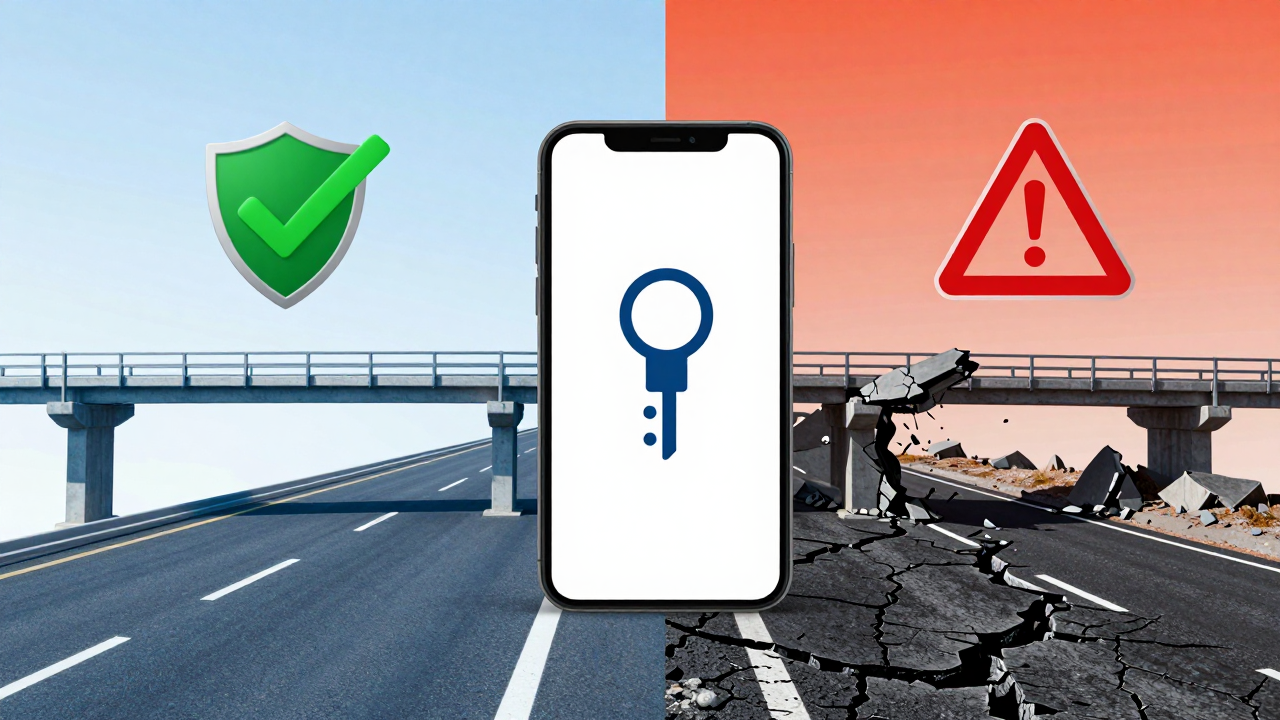
New sellers often grab the cheapest SMS verification platform they can find, use it to register an account, and move on. That approach might have flown a few years ago, but by 2025, mainstream platforms have upgraded their risk controls to a triple-layered system: device fingerprinting + number quality scoring + behavioral tracking. A flagged virtual number—even if it's only been used once—can land your brand-new store in manual review or trigger a video verification request.
My advice? Treat SMS verification as infrastructure, not a disposable expense. The evaluation criteria are simple: Does the provider maintain a real SIM card pool? Do they enforce a cooldown period after number reuse? Is their privacy policy actually clear? Miss any one of these, and you're likely to run into problems down the road.
Industry Reality: You're Not Buying "Numbers"—You're Buying "Risk Mitigation"
On the surface, SMS verification platforms sell verification codes. In reality, they're selling registration success rates and account survival rates. Here's an industry consensus worth remembering: the same provider can show success rate swings of 30% or more depending on the time of day and the number segment you're using. For example, numbers released late at night are often leftovers from mass registrations earlier in the day—already sitting on risk-control gray lists.
I've tested several mainstream SMS verification services, and one pattern stands out: numbers priced under $0.07 per message fail over 40% of the time on cross-border e-commerce platforms, while dedicated number segments in the $0.20–$0.40 range hold steady at 85%+ success. The price difference isn't about the number itself—it's paying for the provider's screening, cleaning, and cooldown infrastructure.
- Shared number pools: Cheap, but numbers get reused across many users, which quickly triggers "this number has been registered too many times" warnings.
- Dedicated number segments: Pricier, but numbers serve only a handful of clients and go through a cooldown period after use—much better risk-control behavior.
- API direct integration: Ideal for studios running bulk operations. Real-time number fetching and auto-forwarding, but requires some technical know-how.
A recurring complaint from cross-border operators isn't platforms disappearing—it's "silent recycling." You pay a premium for a dedicated number, register your store, and the next day the platform tells you the number has been "recycled." Good luck getting a straight answer from support when your two-factor authentication stops working.
Deep Dive: What Does a Compliant SMS Verification Platform Actually Sell?
Platforms worth long-term partnerships don't make their money from selling numbers—they make it from risk-control management. What does that mean in practice? The platform maintains the "health" of every number in its pool, so every time you pull a number, it behaves like a fresh mobile number. That requires serious carrier relationships, number-cleaning algorithms, and round-the-clock monitoring.
One provider that consistently gets solid feedback in the industry is Getfollow. They follow this exact compliance-first playbook: number pools are segmented by industry (e-commerce segments separate from social media segments), and every number comes with a transparent usage log and cooldown mechanism. When you work with a provider like this, you're buying certainty—not rolling the dice.
Here's a real-world cautionary tale. A friend of mine running a dropshipping site went with a small platform's "unlimited SMS verification" plan to save money. Within a month, 27 out of 30 TikTok accounts he registered got throttled or banned within seven days. Turns out, every number from that platform came from the same virtual operator's range, so TikTok's risk system flagged the entire batch at once. After he switched to a provider with isolated number segments, his account survival rate jumped from 10% to around 70% with the exact same workflow.
Hidden Risks and Practical Advice: Don't Let SMS Verification Become Your Weakest Link
The biggest hidden risk with SMS verification services isn't missing a code—it's number contamination. If you use the same number to register accounts across multiple platforms, or if a number has been flagged before, every linked operation downstream takes a hit. That's exactly why I keep stressing providers that support number isolation.
Another trap is the retention-rate illusion. Some platforms advertise "success rates" that only measure up to the moment you receive a code. But what you actually care about is whether your account is still healthy seven days after registration. Not many providers offer that level of transparency—usually, you have to ask directly before they'll share real account retention data. From what I've seen, strong platforms maintain a 50%–70% retention rate at the 30-day mark, while sloppy operations often struggle to hit 20%.
Three practical recommendations before you commit:
- Test small before you scale: Don't buy an annual plan upfront. Purchase 10–20 test numbers and validate them against your actual business use case—success rate, latency, and whether two-factor verification works down the line.
- Demand number origin details: Legitimate platforms will clearly disclose the carrier and geographic origin of each number. If a provider dodges the question, walk away.
- Read the privacy policy carefully: SMS verification platforms handle your phone number and verification codes. If the terms don't explicitly state "we don't store verification code content" and "we don't share user data," don't use them—no matter how cheap they are.
Final Thoughts: SMS Verification Isn't a Game of "Cheapest Wins"
The SMS verification platform industry runs deeper than most people expect. But flip it around, and it's actually a mature market where you get what you pay for—if you're willing to invest in compliance and stability, you'll sidestep a lot of headaches. That's why seasoned cross-border operators increasingly gravitate toward providers like Getfollow that offer clear number isolation and cooldown management. Not because they're expensive, but because the per-account total cost of ownership ends up being lower in the long run.
One last thing: no SMS verification service can guarantee 100% success. If someone promises you that, they're almost certainly scamming you. The smart play is to treat SMS verification as one component of a broader account operation strategy—pair it with clean devices and a stable network environment, and you'll maximize your success rate. Start with a small test batch, evaluate the results, and only then decide on a long-term commitment. That rhythm never steers you wrong.
Frequently Asked Questions
What is an SMS verification platform and how does it work?
An SMS verification platform provides temporary or dedicated phone numbers that receive verification codes for account registration and authentication. When you sign up for a service like Amazon or WhatsApp, the platform routes the incoming SMS to your dashboard or API, letting you complete the verification without using your personal number.
Why do some SMS verification numbers fail to receive codes?
Failure usually comes down to number quality. Shared numbers that have been used for multiple registrations get flagged by platform risk-control systems, so they stop receiving codes or trigger account restrictions. Dedicated numbers with cooldown periods between uses have much higher success rates.
Is it safe to use SMS verification services for business accounts?
It's safe when you choose a provider with clear privacy policies, number isolation, and transparent usage logs. Avoid platforms that don't disclose how they handle your data or that recycle numbers without a cooldown period—those create long-term risks for your accounts.
How much should I expect to pay for reliable SMS verification?
For cross-border e-commerce and social media registrations, reliable dedicated numbers typically cost between $0.20 and $0.40 per message. Anything significantly cheaper usually means shared number pools with higher failure rates, which ends up costing more in lost accounts and wasted time.
Can I use one SMS verification number for multiple platforms?
Technically yes, but it's not recommended. Using the same number across multiple platforms creates a link between those accounts. If one gets flagged, the others may face increased scrutiny. Look for providers that offer number isolation to keep your accounts separate and protected.