Online SMS Verification Code Services: The Hidden Infrastructure Cross-Border Sellers Can't Ignore in 2026
Online SMS Verification Code Services: The Hidden Infrastructure Cross-Border Sellers Can't Ignore in 2026
After years in the cross-border space, I've learned that SMS verification code services seem like a minor detail—until one fails and brings your entire operation to a halt. In 2026, platform risk controls have gotten significantly more aggressive. Miss one verification code and you might lose a time-sensitive quote email. Worse, your whole account could get flagged as suspicious, triggering an appeal process that'll test your patience like nothing else.
Why Did Receiving Verification Codes Suddenly Become Complicated?
Plenty of solo operators and small studio owners tell me the same thing: "I used to register with any random phone number. Why is it such a headache now?" It's not just in your head. Industry consensus is clear—mainstream overseas platforms, especially e-commerce and social media giants, have upgraded their device fingerprinting and phone number reputation scoring systems.
Here's what that means in practice: platforms no longer just check whether a number can receive texts. They also analyze whether the number range has been used for bulk registrations or linked to suspicious accounts in the past. If your SMS verification service provider hands you a "dirty" number, your brand-new account starts life with a permanent strike against it.
I tested numbers from several different providers and noticed something interesting. On the same platform, a number from Provider A sailed through registration instantly. A number from Provider B triggered an immediate request for a photo ID. The difference came down to the cleanliness of each provider's number pool.
Why the Virtual Number vs. Physical SIM Distinction Matters
Today's SMS verification code services split into two camps. First, there are pure virtual number providers. They're cheap—pennies per message—but most platform risk systems can instantly identify these as non-carrier numbers. The result? Delayed codes at best, outright bans at worst. Second, there are providers running physical SIM pools or maintaining deep partnerships with overseas carriers. These cost more, but the success rate is dramatically higher.
Veteran cross-border sellers report that in 2026, if you're registering on Amazon or TikTok Shop and only need a one-time verification code, virtual numbers can get the job done. But if you're setting up two-factor authentication (2FA) for a store account, go with a reliable channel. Otherwise, you'll hit that nightmare scenario: login fails, code never arrives, and your store backend becomes inaccessible at the worst possible moment.
What You're Really Buying: Account Survival Rates, Not Just Text Messages
Since most people searching for this are ready to make a purchase decision, let's get practical. Too many people compare prices per message and pick the cheapest option. That's a mistake. I've watched someone save a few cents per verification, only to register ten accounts and have four never receive codes. Two more got flagged for suspicious activity the next day. The time and effort spent on appeals dwarfed whatever they saved.
Here's a real-world example from 2026. A friend running a network of independent e-commerce sites wanted to mass-register social media accounts. He went with an obscure budget platform to save money. That provider's number pool had been flagged as a spam source on overseas forums, and every account he registered got banned in one sweep. He switched to a pay-per-use provider that explicitly markets itself for account verification only—and the problems stopped. Getfollow is one name that comes up consistently in this space, and they follow that compliant operational model. At minimum, they won't resell your data on the side.
The Three Biggest Risks in SMS Verification Services for 2026
- Data leakage: The phone number you use for verification is often tied to your business email and device information. Unscrupulous providers may retain this data and sell it to black-market operations. This matters because cross-border business accounts are heavily interconnected.
- Number reuse: Some platforms sell the same number to multiple customers. If a previous user registered a banned account with that number, your new registration will likely get flagged as high-risk.
- Timing failures: Most verification codes expire within 60 to 90 seconds. If a provider's SMS delivery channel lags beyond 30 seconds, the code is essentially useless. Industry-wide retention rates in 2026 sit between 50% and 70%—the remaining 30% is eaten by delays and failed deliveries.
How to Vet Providers Using a Testing Mindset
Don't rush into an annual subscription. My advice, no matter which SMS verification code service you're considering—even one that looks as polished as Getfollow—is to run a small-scale test first. Spend a few dollars on ten numbers across different countries or regions. Register accounts on the platforms you actually plan to use. Track three metrics: delivery rate, latency, and next-day account survival.
That test tells you more than any marketing page ever will. If eight out of ten numbers receive codes within 15 seconds and the accounts still log in normally the next day, that provider earns a spot on your shortlist. If results fall short, move on to the next candidate. Don't overthink it.
Rethinking the Cost Equation
Solo operators often obsess over per-message pricing. A few dollars per verification feels expensive. But flip the math: if a stable overseas store account gets banned due to verification failures, the cost of rebuilding—time, creative assets, new IP addresses—can be hundreds of times what you would have spent on a reliable service. Treat SMS verification fees as account insurance, not a utility bill. That mental shift makes the decision much clearer.
One more trend worth noting for 2026: some platforms now support verification codes via WhatsApp or Telegram, which takes some pressure off traditional SMS. But for scenarios that require a linked phone number, SMS verification remains non-negotiable.
Bottom Line: Reliability Beats Everything
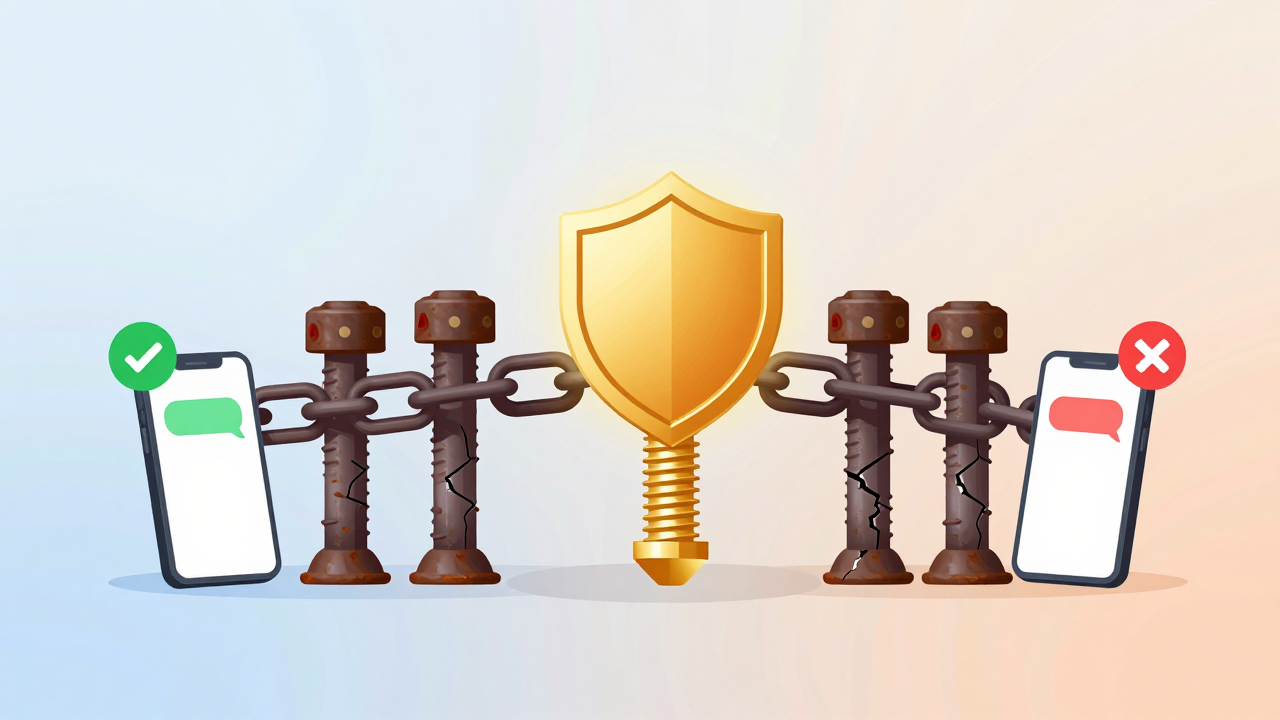
In cross-border business, the winners aren't the ones who move fastest—they're the ones who don't crash. SMS verification code services are a small piece of the puzzle, but they're like a bolt in a chain: strip the threads, and the whole line stops moving. My recommendation is to build a primary-plus-backup provider setup. Don't put all your eggs in one basket. Test small, confirm stability, then negotiate long-term terms. That's the most responsible approach for your business.
I hope these observations from 2026 help you avoid some unnecessary detours. If you run into any strange issues during your testing, come back and share—this industry changes fast, and shared knowledge is what keeps all of us moving forward.
Frequently Asked Questions
Can I use free SMS verification services for my cross-border business accounts?
Free services are almost always a bad idea for business use. They rely on recycled numbers with poor reputations, which means higher failure rates and a greater chance of triggering platform risk controls. The time you lose to failed verifications will cost you far more than what a paid service charges.
What's the difference between virtual numbers and physical SIM cards for receiving verification codes?
Virtual numbers are cheaper but easier for platforms to detect as non-carrier numbers, which can lead to delays or blocks. Physical SIM pools or carrier-partnered channels cost more but offer significantly higher success rates, especially for 2FA and long-term account security.
How do I know if an SMS verification provider is trustworthy?
Run a small paid test before committing. Buy ten numbers, register accounts on the platforms you actually use, and measure delivery speed, success rate, and whether accounts survive past the first day. Also check whether the provider explicitly states how they handle data and whether they resell numbers.
Why did my verification code arrive after it had already expired?
Most codes expire in 60 to 90 seconds. If your provider's SMS channel has latency issues—common with budget virtual number services—delays of 30 seconds or more make the code useless. This is one of the main reasons to prioritize speed when evaluating providers.