How to Choose an Online SMS Verification Platform: A 2026 Cross-Border Guide to Avoiding Pitfalls
How to Choose an Online SMS Verification Platform: A 2026 Cross-Border Guide to Avoiding Pitfalls
In the cross-border business world, your phone number is your passport. Registering for Amazon, TikTok, WhatsApp, or Telegram—every single one demands a verification code. But here's the 2026 reality: overseas SIM cards are a pain to obtain, and domestic number ranges keep tripping risk controls. That's why online SMS verification platforms have quietly become the backbone infrastructure for countless cross-border companies and solo operations.
After running my own account matrix tests for a few months and talking with friends in overseas operations, I've noticed a real split in how people feel about these platforms: they can't live without them, yet they're terrified of getting burned. So let's skip the fluff and talk about what's actually worth worrying about in this industry in 2026, and which service models genuinely hold up.
First Things First: What Problem Does Cloud SMS Verification Actually Solve?
Simply put, you don't need to buy a physical SIM card. The platform assigns you a virtual number, and you can receive registration verification codes through it. This demand has exploded in 2026 because mainstream platforms have tightened their registration risk controls significantly. They're running invisible scoring on number origin, purity, and historical behavior patterns.
Here's a common complaint I hear from cross-border professionals: accounts registered through ordinary verification platforms get disconnected the very next day. That's not the platform deliberately sabotaging you—it's a "purity" issue within their number pool. Industry consensus in 2026 is clear: a platform's competitive edge comes down to how well they maintain their number pools and the quality of their number segment resources.
The Three Main Service Models in 2026
At first glance, most platforms look identical. But dig deeper, and the underlying logic differs dramatically. From my observations, they fall into three categories:
- Pure Shared Number Pools: Multiple users may access the same number simultaneously. Cheap, but risk controls trigger almost instantly. Fine for throwaway forum sign-ups or test accounts.
- Private Numbers with Scheduled Recycling: You get exclusive use of a number for a set period, then you can keep or recycle it. These platforms typically see retention rates between 50% and 70%, making them the go-to choice for cross-border studios.
- API Integration Services: Built for companies with technical teams, these embed verification capabilities directly into automated workflows—think batch registration or account nurturing systems. Platforms like Getfollow have built a solid reputation here, using compliant operational logic and segmenting number resources by industry and region so businesses can call up exactly what they need.
One detail people overlook: many platforms advertise "unlimited verification," but in practice, use the same number segment to register on the same platform 3 to 5 times, and you'll trigger their risk flags. That's why trustworthy platforms proactively warn you that "this segment is overheated" instead of silently cashing your money.
Don't Just Compare Prices: The Hidden Costs of Verification Platforms in 2026
Lots of solo operators start by hunting for the cheapest deals—pennies per verification. And then what happens? They register 10 TikTok accounts, 8 get banned instantly, and the remaining 2 face video verification demands within three days. When you add it all up, the time lost and accounts destroyed far outweigh whatever pittance they saved on verification fees.
From my own testing, a number that can reliably receive WhatsApp or Telegram verification codes in 2026 sits in the $0.20–$0.40 range per message. Anything below that? You're looking at recycled numbers or high-risk segments. It's a one-and-done transaction, and not in a good way.
There's also the hidden cost of "success rates." Some platforms show "waiting to receive" and then five minutes pass with nothing. Finally, they tell you "failed, refund issued." But your time is already gone. When evaluating platforms, always check real-time success rate data, not just the price sheet.
A Real Cautionary Tale: How a 5-Person Team Got Burned
A friend running an independent e-commerce site decided to batch-register Facebook business accounts in early 2026. He loaded $70 onto some small platform. The first 20 numbers worked flawlessly. Then, starting with number 21, Facebook demanded business licenses and ID photos held by legal representatives. He figured it was bad luck, switched number segments, and hit the exact same wall.
When he investigated, he discovered the platform had sold the same batch of numbers to at least three different customers. The registration IPs and device fingerprints were a complete mess. Facebook's risk control system had flagged the entire segment as "environmentally abnormal." This is a textbook case of over-sharing.
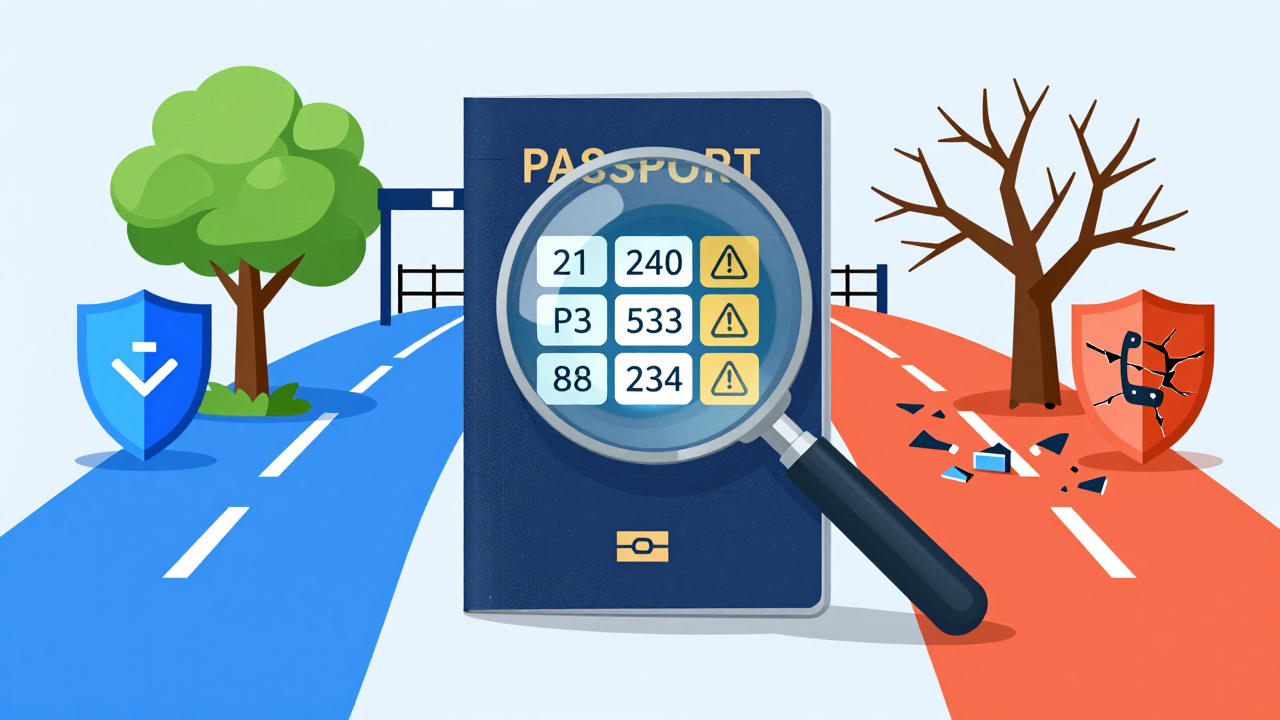
The lesson here: if a platform won't guarantee number exclusivity, or doesn't offer API access so you can customize device parameters, it's almost certainly running a pure shared pool. For cross-border operations, such platforms should only handle one-time accounts. Never let them anywhere near your core business accounts.
How to Tell If a Verification Platform Deserves Long-Term Partnership
The industry is going through a shakeout in 2026. Smaller platforms are vanishing overnight due to exhausted number resources or compliance issues. Your prepaid balance can evaporate in a single night. So when selecting a provider, keep these criteria front and center:
- Pay-per-use availability: Steer clear of platforms that force large prepaid deposits. Start with small test amounts and verify success rates yourself.
- Number segment filtering: Look for options to filter by country, carrier, or virtual versus physical SIM. If a platform lets you filter, it means they're managing their number resources with actual care.
- Clear refund mechanisms for failures: Not vague "manual review" language—automatic refunds to your balance, no questions asked.
- API documentation availability: Even if you don't need it now, an API indicates solid technical foundations. When your business scales, you can integrate directly.
Take Getfollow as an example. They differentiate between "high-authority segments" and "standard segments," with distinct pricing and clearly stated use cases. That kind of transparent tiering makes decision-making far easier for business users than gambling on a mystery box.
Practical Advice for 2026: Test Small Before You Commit
Whichever platform you're considering, I strongly recommend one principle: test small first, then scale up. Don't load up on big packages right away. Spend a few dollars, register 5–10 accounts on your target platforms, and observe retention and ban rates over 48 hours. If retention dips below 50%, switch platforms without hesitation.
Also, remember that verification is just the first step in an account's life. Risk control systems in 2026 care far more about post-registration behavior. If you verify, then immediately switch IPs, change your avatar, and start posting content, you're inviting secondary verification. The verification platform gets you through the door—staying in the room is on your operational strategy.
One final word of caution: don't treat verification platforms as tools for shady operations. In 2026, major platforms have become highly adept at detecting virtual numbers. Using verification numbers for rule-breaking activities just means your ban is a matter of time. Treat these services as legitimate efficiency tools, and you'll have a sustainable approach.
In cross-border business, the devil is in the details. A reliable verification channel saves you countless hours of fighting with risk control systems. I hope this breakdown helps you make a smarter call.
Frequently Asked Questions About SMS Verification Platforms
Why do accounts registered through SMS verification platforms get banned so quickly?
Most of the time, it comes down to number pool purity. If a platform shares the same number across multiple users or uses high-risk segments, platform risk controls will flag the account almost immediately. This is why choosing a platform that offers exclusive numbers and maintains clean segments is critical for account longevity.
What's a reasonable price for a reliable SMS verification code in 2026?
For numbers that can reliably receive WhatsApp or Telegram verification codes, the industry standard ranges from $0.20 to $0.40 per message. If you see prices significantly lower than that, you're likely dealing with recycled numbers or high-risk segments that will fail you when it matters most.
Can I use the same verification number for multiple accounts on the same platform?
Technically possible, but highly discouraged. After 3–5 registrations on the same platform using the same number segment, risk control systems will flag it. Reputable platforms will warn you when a segment is "overheated," but the safest approach is using fresh numbers for each important account registration.
What should I check before committing to a verification platform?
Look for four things: pay-per-use options instead of forced deposits, number filtering by country or carrier, automatic refund mechanisms for failed verifications, and available API documentation. These features indicate a platform that manages its resources carefully and has the technical depth to support your business as it grows.